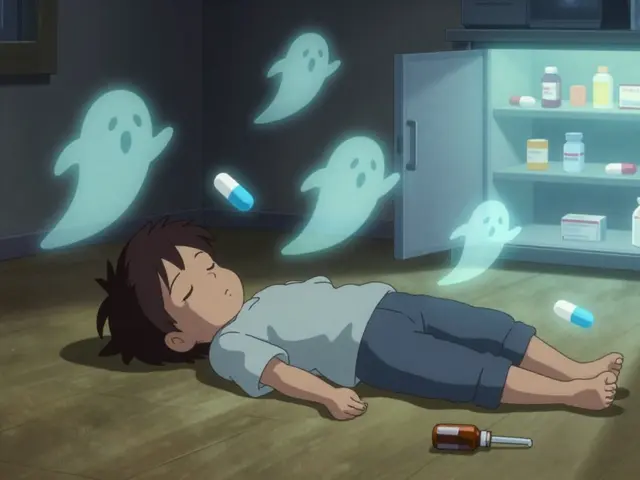
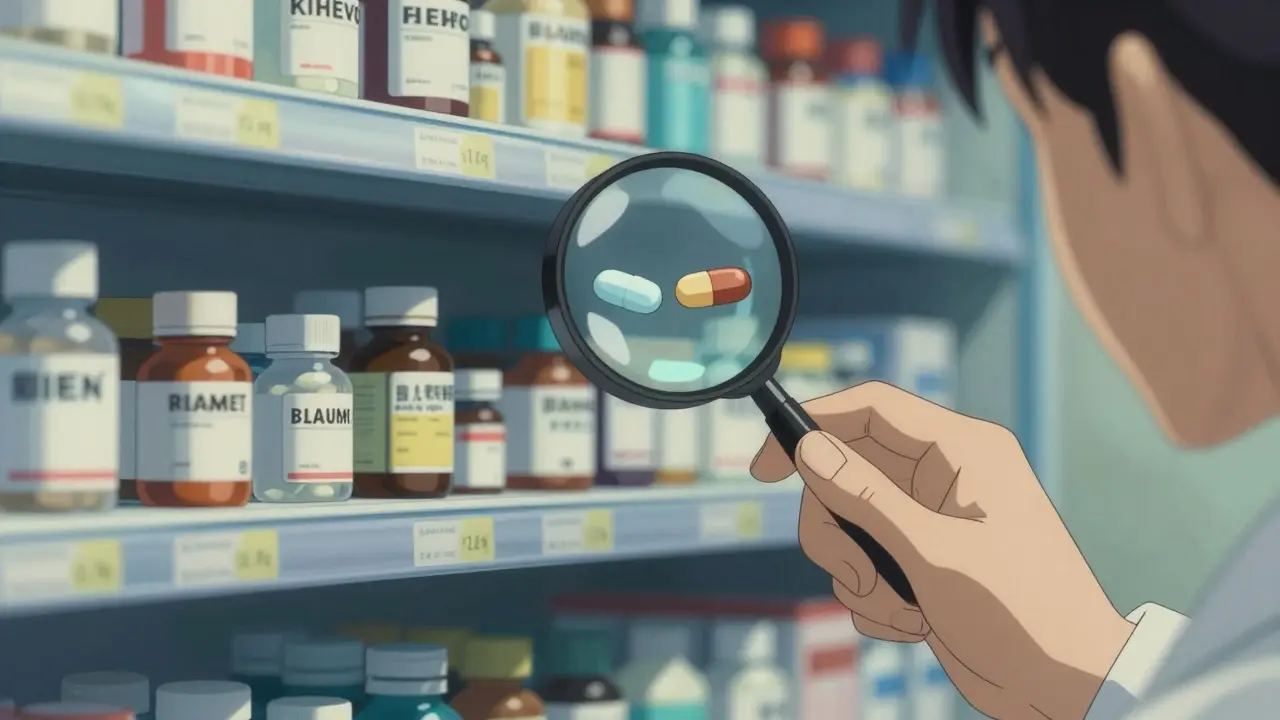
Generic medications account for 90% of prescriptions but pose unique error risks. Learn practical strategies pharmacists use to prevent and correct errors, including technology solutions and human-centered protocols. Real-world data shows how these steps reduce harm.

When a generic medication fails to work or causes adverse effects, patients can fight insurance denials through a structured appeals process backed by clinical evidence. Learn how to document therapeutic failure and increase approval chances.

Complex generic drugs face unique scientific and regulatory hurdles that make FDA approval far harder than for simple generics. From liposomal injections to inhalers, these drugs require advanced testing, costly development, and evolving guidelines-delaying affordable access for patients.
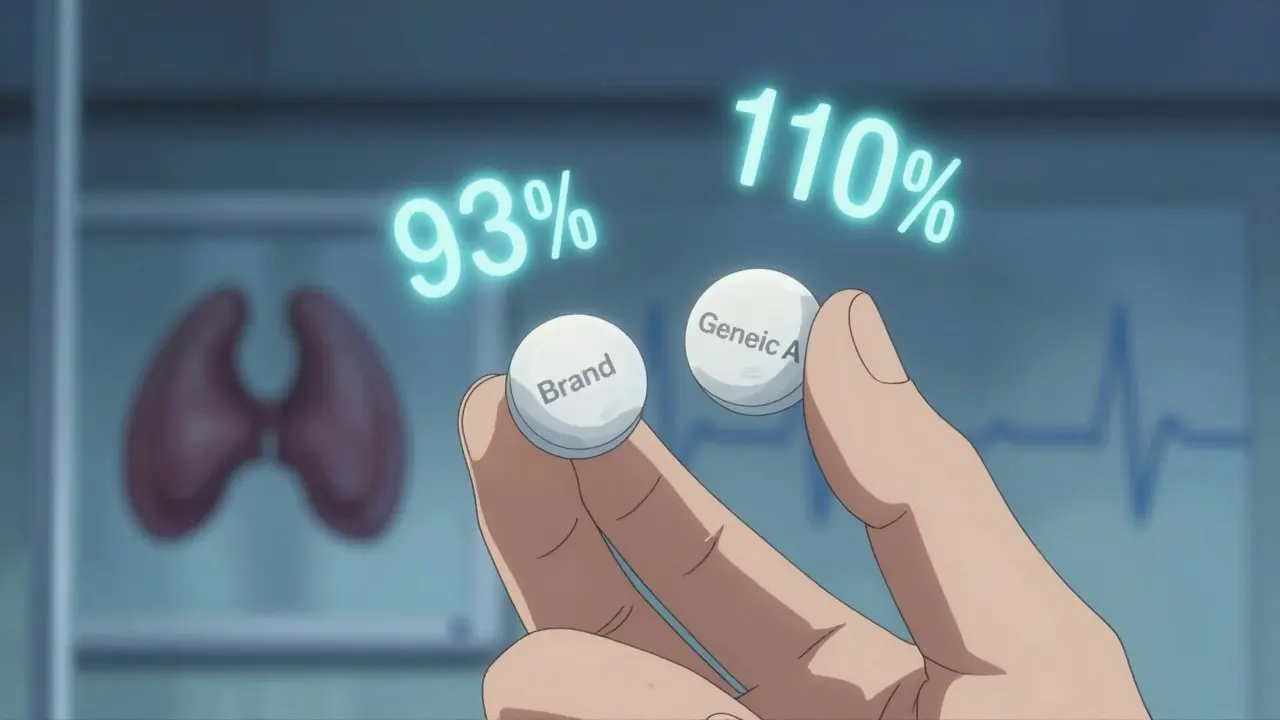
NTI drugs like levothyroxine and tacrolimus have a tiny margin between safe and toxic doses. Switching between generic brands can cause dangerous fluctuations. Here’s what you need to know to stay safe.

Drug side effects are unintended reactions to medications that can range from mild to life-threatening. Learn what causes them, how common they are, and real examples from everyday drugs-and how to manage them safely.
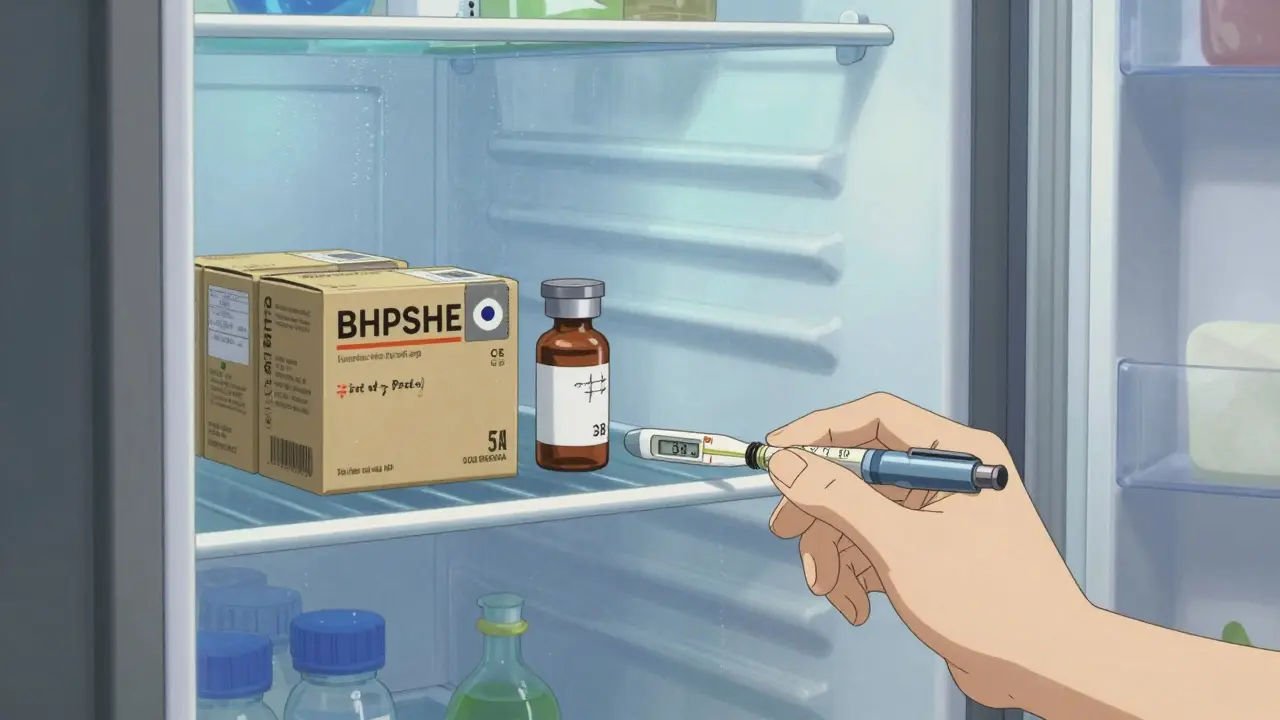
Learn how to store insulin pens, vials, and supplies safely to ensure they work properly. Avoid common mistakes that lead to lost potency and dangerous blood sugar swings.

Bioequivalence for inhalers, patches, and injections requires more than blood tests-it demands matching device performance, particle size, and delivery mechanics. Learn how regulators ensure generic versions truly work the same.

Learn how 2025 FDA updates changed food allergen labeling - from specific milk and egg sources to the removal of coconut from tree nuts. Know what’s hidden, what’s safe, and how to protect yourself.

Switching to a generic respiratory inhaler might save money, but if the device is different, your technique could be off-leading to worse symptoms. Learn why generic inhalers aren't like other generics and what you must do before switching.

Learn how to tell the difference between a real MS relapse and a pseudorelapse triggered by heat, infection, or stress-and why steroids often aren't the answer. Save yourself from unnecessary treatment and side effects.
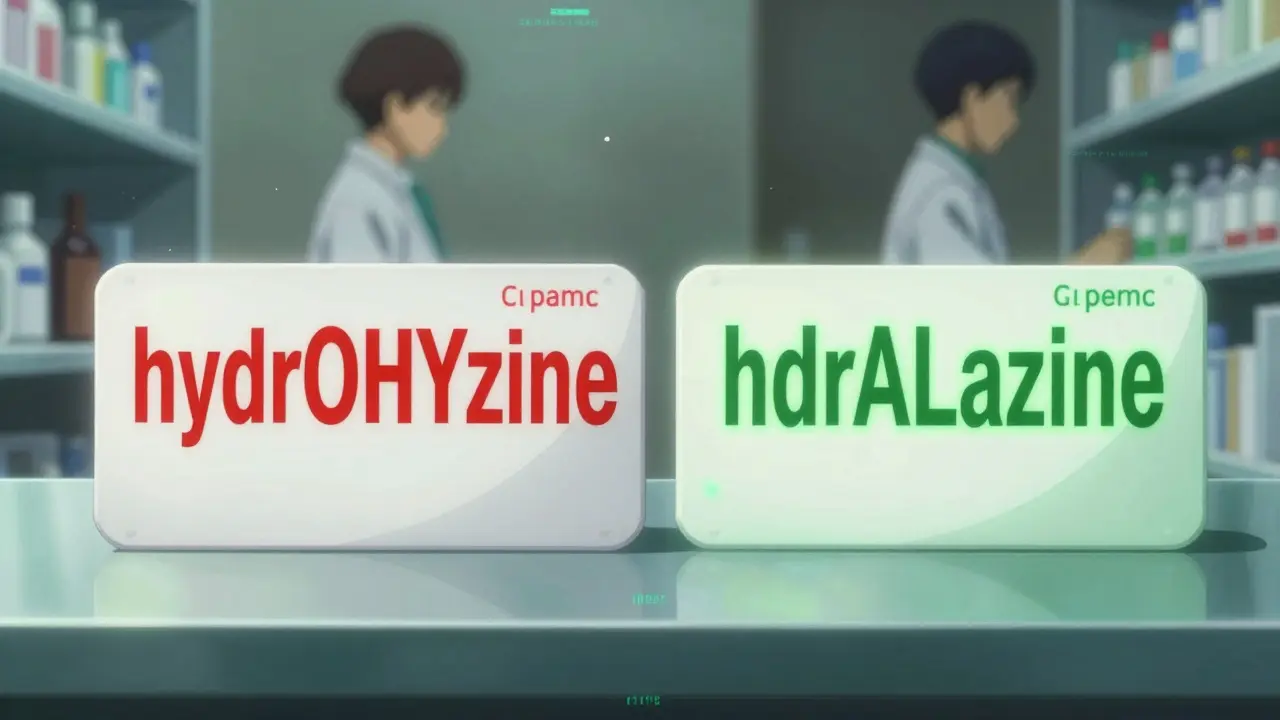
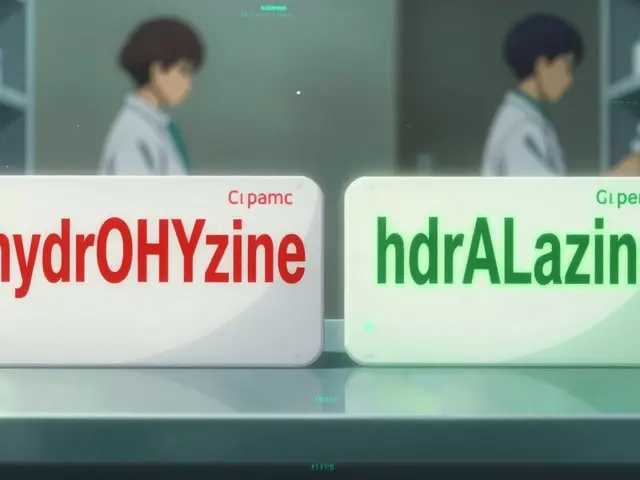
Learn how to spot look-alike drug names on prescription labels using tall man lettering, barcode scanning, and other proven safety methods to prevent dangerous medication errors.

Many prescription labels are translated poorly by machines, leading to dangerous medication errors. Learn the most common mistakes, how they harm patients, and what you can do to get accurate translations.