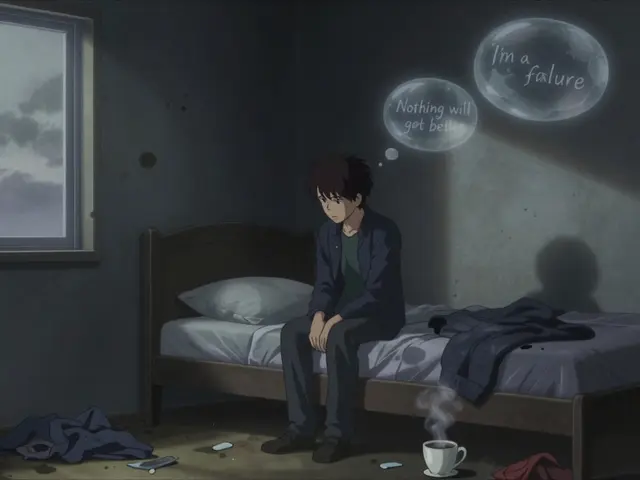
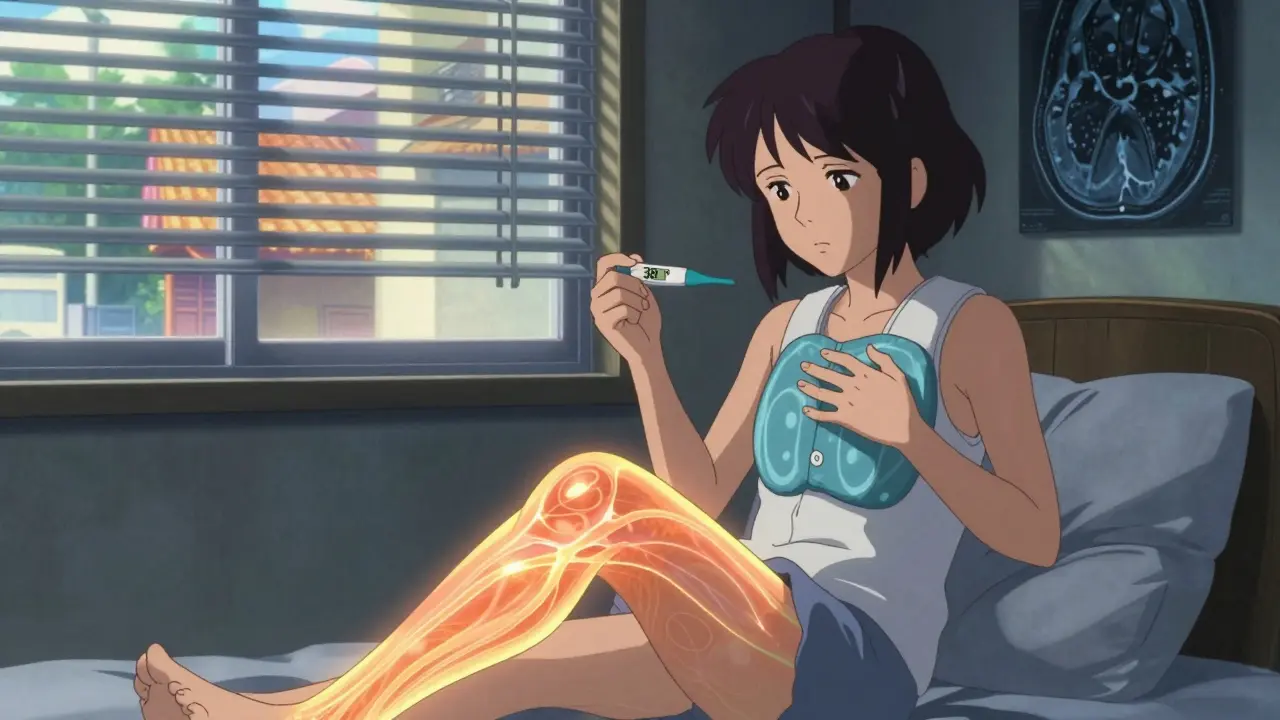
You wake up with numbness in your leg. Your vision blurs. You feel weaker than usual. Your first thought? MS relapse. You panic. You call your neurologist. You’re told to go to the hospital for IV steroids. But what if it’s not a relapse at all? What if it’s something called a pseudorelapse-a temporary spike in symptoms with no new damage, no inflammation, and no need for steroids?
Up to 25% of symptom flare-ups in people with MS aren’t true relapses. They’re tricks your nervous system plays when something else is off. And mistaking one for the other can lead to unnecessary treatments, side effects, and even hospital stays. This isn’t just theory. Real people are getting IV steroids they don’t need-and suffering the consequences.
A true MS relapse means your immune system has attacked your central nervous system again. New inflammation. New demyelination. New lesions on your MRI. Symptoms last at least 24 to 48 hours, often longer-sometimes weeks or months. They’re not tied to heat, infection, or stress. They just show up.
Common signs include sudden weakness in a limb, loss of balance, vision problems from optic neuritis, or trouble controlling your bladder. These aren’t just feeling worse-they’re new problems. If you’ve never had trouble with your right hand before, and now you can’t hold a coffee cup, that’s a red flag.
Doctors look for three things: duration, no trigger, and new MRI activity. If your symptoms last more than two days and you haven’t had a fever, a UTI, or been in the sauna, it’s likely a true relapse. MRI scans show bright spots where new damage has occurred. That’s the proof.
That’s when steroids come in. High-dose intravenous methylprednisolone-usually 1 gram a day for 3 to 5 days-is the standard treatment. It doesn’t cure the relapse. It doesn’t stop long-term damage. But it can speed up recovery by reducing swelling and inflammation. About 70 to 80% of people see faster improvement with steroids. But only about half fully recover. That’s why early treatment matters.
A pseudorelapse feels just like a relapse. Numbness. Fatigue. Blurry vision. But here’s the catch: no new damage. No new lesions. No immune attack. Your nerves are just struggling to send signals because something else is throwing them off.
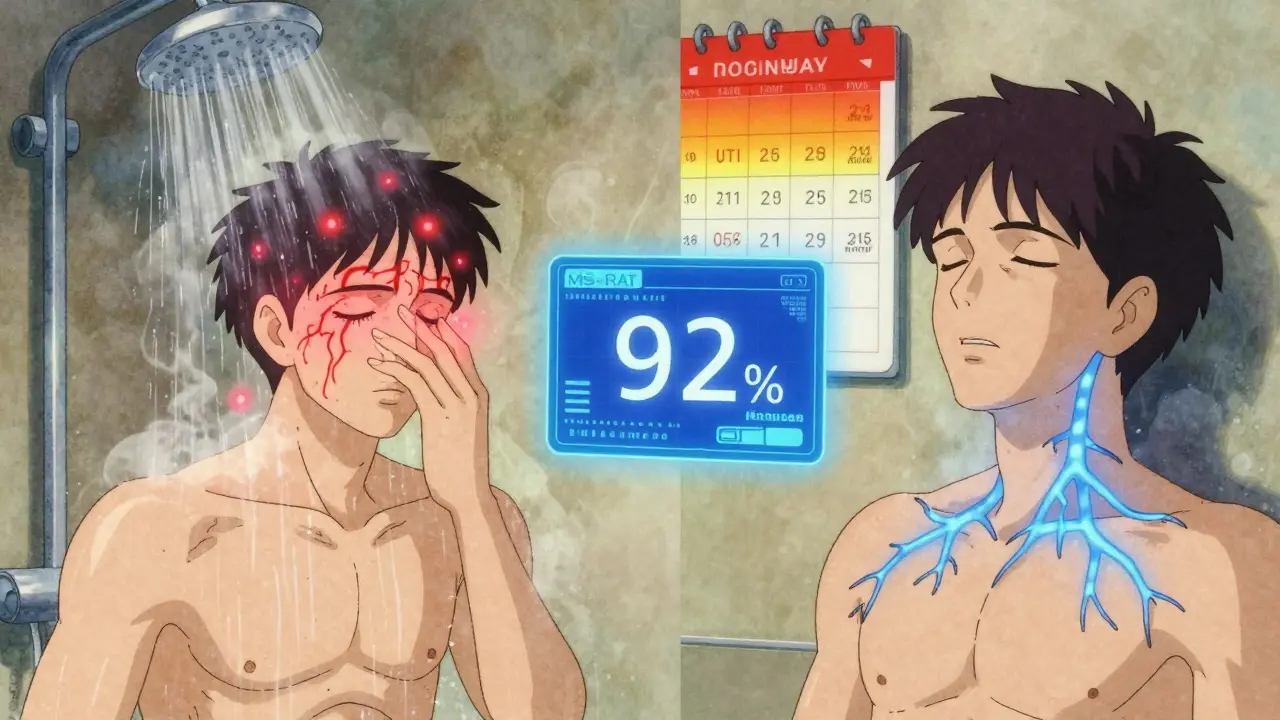
The most common trigger? Heat. Not just hot weather. A hot shower. Sitting in a warm car. Even a fever from a cold can do it. This is called Uhthoff’s phenomenon-and it affects 60 to 80% of people who’ve had optic neuritis. Your vision gets worse when your body heats up. Walk into a cool room, cool down, and your vision clears within minutes.
Other triggers? Infections. Urinary tract infections (UTIs) are the #1 culprit, causing about 67% of pseudorelapses. A simple bladder infection can make your legs feel heavy, your balance off, your bladder worse. Respiratory infections, stress, lack of sleep, even intense exercise can do it.
Here’s the key difference: pseudorelapses fade fast. Usually within hours, sometimes a day, once the trigger is gone. No steroids needed. No hospital visit. Just rest, hydration, cooling down, and treating the infection.
And here’s the scary part: about 30 to 40% of people with MS get steroids for pseudorelapses. That’s unnecessary. Steroids don’t fix heat sensitivity. They don’t cure a UTI. They just flood your body with hormones that raise your blood sugar, mess with your sleep, spike your mood, and weaken your immune system. One patient on Reddit, a nurse with MS, said she’d seen five people get IV steroids for UTIs-and one developed steroid-induced psychosis. That’s not rare. It’s preventable.
Don’t guess. Check. Here’s what your neurologist should do-or what you can do yourself before calling for help:
Many neurologists use the MS-Relapse Assessment Tool (MS-RAT), a new system that scores your symptoms, temperature, and duration to give a probability score. It’s 92% accurate at spotting true relapses. If you’re in a specialized MS clinic, ask if they use it.
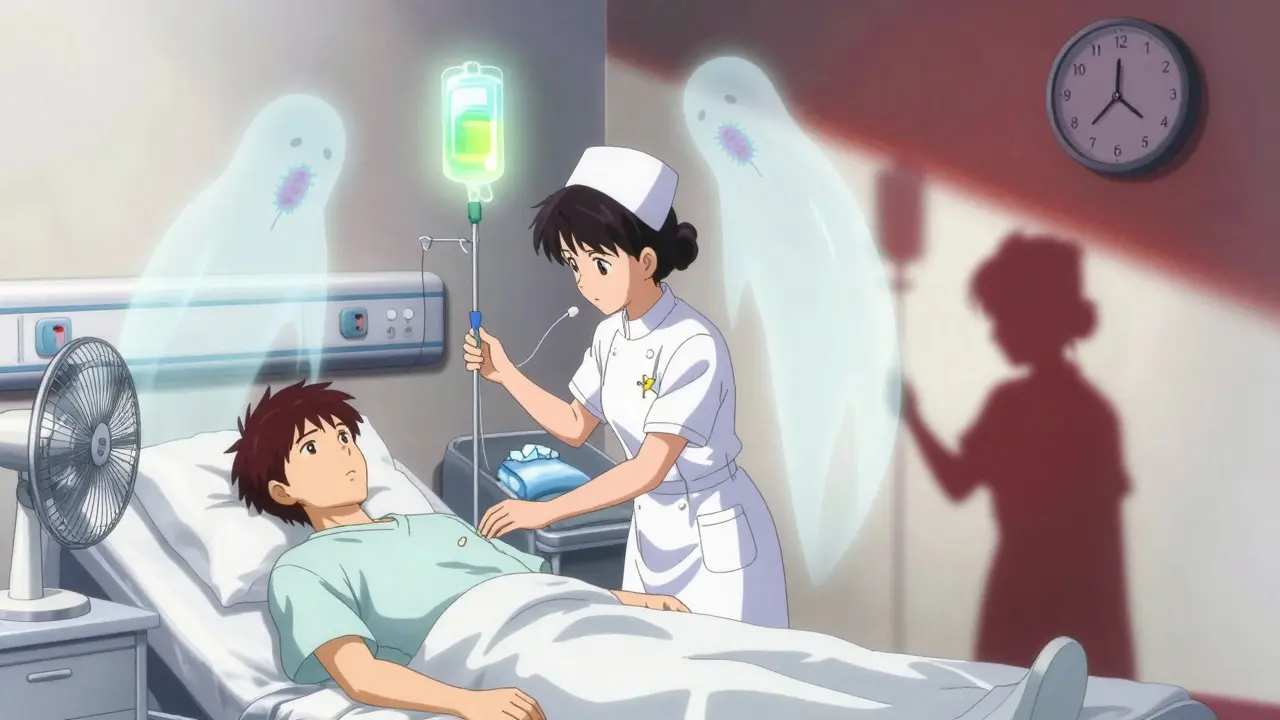
Steroids work by calming inflammation. That’s their job. But in a pseudorelapse, there’s no inflammation. Your nerves are just overheated, overworked, or overwhelmed by an infection. Pouring steroids into your bloodstream won’t cool you down. It won’t kill the bacteria in your bladder. It won’t fix your sleep.
Instead, it causes side effects. One in four people on IV steroids get high blood sugar. Four in ten can’t sleep. Three in ten feel anxious or depressed. And your body’s defenses drop-making you more likely to catch another infection. That’s a dangerous loop.
And here’s the cost: in the U.S. alone, unnecessary steroid treatments for pseudorelapses cost $12.7 million a year. That’s hospital visits, IV bags, nurses, monitoring, and treating the side effects. It’s not just money. It’s stress. It’s fear. It’s time lost.
If you think you’re having a pseudorelapse, don’t rush to the ER. Do this:
One patient, MSWarrior2020, shared: “My leg weakness came back during a heatwave. My neurologist said it was Uhthoff’s. I put on my cooling vest and my legs worked again in two hours. No steroids. No hospital.”
Not everyone gets them. But some people are more likely:
Why? Because your nervous system has more damaged pathways. Even small changes-like a little heat or a mild infection-can make those old signals fail. It’s not new damage. It’s old damage being pushed too far.
That’s why some older patients don’t bounce back fully after a pseudorelapse. They don’t have new MS damage. But they’ve lost muscle tone, strength, or balance from being less active during the flare. That’s deconditioning-not MS progression. Physical therapy helps.
Good neurologists don’t assume. They ask. Here’s what they should check before calling it a relapse:
If they don’t ask these, ask them yourself. Bring your symptom diary. Show them your temperature log. Be the expert on your own body.
Specialist neurologists get it right 85% of the time. General neurologists? Only 60%. Primary care doctors? Just 45%. If you’re unsure, ask for a referral to an MS specialist. They’ve seen this a thousand times.
You don’t need to wait for your next appointment. Start now:
MS is unpredictable. But you don’t have to be. The more you know about your triggers, the less power they have over you. You’re not just a patient. You’re the manager of your own nervous system. And that’s powerful.
No. A pseudorelapse is not a precursor to a true relapse. It’s a temporary malfunction, not a sign of new disease activity. However, if you have an infection like a UTI and don’t treat it, that infection could trigger inflammation that leads to a true relapse. So while the pseudorelapse itself doesn’t become a relapse, the trigger might.
No. MRIs are expensive and not always needed. If your symptoms match a known trigger-like heat or a UTI-and they improve quickly, an MRI isn’t required. But if symptoms last more than 48 hours, have no clear trigger, or are new and severe, your doctor will likely order one to rule out a true relapse.
Rarely, and only in extreme cases where symptoms are severe and the trigger can’t be removed-like if someone can’t get antibiotics for a UTI. But even then, it’s not standard. Steroids don’t fix the root cause. They just mask inflammation, which isn’t there. Most experts agree: avoid them unless a true relapse is confirmed.
Yes. Stress doesn’t directly damage nerves, but it raises cortisol and body temperature, disrupts sleep, and weakens immune function. All of that can overload already damaged pathways. Many people report worsening symptoms during high-stress periods-job pressure, family issues, financial worries. Managing stress with sleep, breathing, or therapy can help prevent these episodes.
Not if your symptoms are worsening. Exercise can raise your core temperature, which might make a heat-triggered pseudorelapse worse. Rest is key. Once the trigger is gone and symptoms improve, gentle movement like stretching or walking can help prevent deconditioning. But push too hard too soon, and you risk another flare.

This is the most important thing I've read about MS in years. Seriously. People need to stop rushing to steroids like they're magic bullets. I've seen friends get hospitalized for pseudorelapses and come out worse. Heat, UTIs, stress-these are the real enemies, not MS itself.

I've been living with MS for 14 years and I still catch myself panicking when my legs go numb. But after my third unnecessary steroid round, I started tracking everything-temperature, sleep, pee habits. Turns out, 80% of my 'relapses' were heat or a UTI. I keep a cooling vest in my car now. Life-changing. No more ER visits.

This post saved me. My mom has MS and every time she gets a cold, she thinks it's a relapse. We called the neurologist last month and they immediately asked about fever and urination. Turned out it was a UTI. She got antibiotics, rested, and was back to normal in 18 hours. No steroids. No trauma. Just good questions.

I can't believe people still fall for this. Steroids are the standard for a reason. If you're not willing to trust your doctor, why are you even on disease-modifying therapy? This is dangerous misinformation dressed up as 'empowerment'.

You think this is about MS? Nah. This is Big Pharma’s way to keep you dependent. Steroids are cheap. But the MRI machines? The specialist visits? The ‘MS-RAT tool’? All paid for by the same companies selling your meds. They want you scared. They want you coming back every month. Don’t be fooled.

Why are we even talking about this? In America, if you have MS and you’re not on steroids, you’re basically being neglected. This whole pseudorelapse thing sounds like a way to cut costs. I don’t care if it’s heat or a UTI-if you’re in pain, you get treatment. Period.

I’ve been following this since 2018. Every time someone says 'steroids aren’t needed', it’s followed by someone who got worse because they didn’t get treated. This isn’t a debate. It’s a death sentence for people who don’t know how to advocate. I’ve seen it happen. I’m not just being dramatic.

I'm a physical therapist who works with MS patients and I can tell you the biggest issue isn't steroids or pseudorelapses it's that people don't track their triggers and then blame everything on MS when it's actually lifestyle related dehydration poor sleep lack of movement and yes even caffeine intake can make symptoms worse and nobody talks about that but if you start writing down what you eat when you sleep and how hot it is you'll start seeing patterns and it's not magic it's just data

I had a pseudorelapse last summer after a 4-hour flight. Legs felt like concrete. Called my neurologist, they said 'cool off and hydrate'-did it, slept 12 hours, woke up fine. No hospital. No IV. No drama. Why is this so hard to believe? I’m not trying to be a hero. I’m just trying to not get poisoned by steroids.

You know what’s wild? The fact that we even have to argue about this. Your body is telling you what’s wrong. If your leg goes numb after a hot shower, it’s not a relapse. It’s your nervous system saying 'I’m overheated'. Stop treating symptoms like crimes. Start treating them like signals. And yeah, track your damn temperature. It’s not rocket science.

I’m so tired of people acting like this is some new revelation. My sister got misdiagnosed for 3 years because doctors thought her UTIs were relapses. She ended up with kidney damage. Now she’s on a catheter. This isn’t 'empowerment'. It’s negligence. And if you’re not pushing for better care, you’re part of the problem.

If you’re not using steroids for every flare-up, you’re not fighting hard enough. MS doesn’t care if you're tired or hot. It’s out to get you. Steroids are your shield. Don’t let some blog post make you weak. Get the treatment. Fight. Win.

In India, we don’t have access to fancy MRI machines or MS-RAT tools. We have chai, cool water, and a lot of patience. My cousin with MS learned to recognize her triggers by listening to her body-not her phone. When she feels heavy legs, she drinks cold water, sits under a fan, and waits. Sometimes, it’s gone in an hour. No drugs. No drama. Just wisdom.

I had a pseudorelapse last week. Blurry vision. Felt like I was drowning in fog. Took a cold shower. Drank ice water. Slept. Two hours later, normal. No steroids. No panic. Just knew what to do. This info saved me months of stress.

The term 'pseudorelapse' is misleading. It implies the symptoms aren't real. They are. The cause is just different. Also, the 25% statistic is outdated. Recent longitudinal studies show it's closer to 38%. And the MS-RAT tool has a 12% false negative rate in patients over 65. Don't trust algorithms. Trust your neurologist's clinical judgment. And yes, sometimes you need steroids anyway.