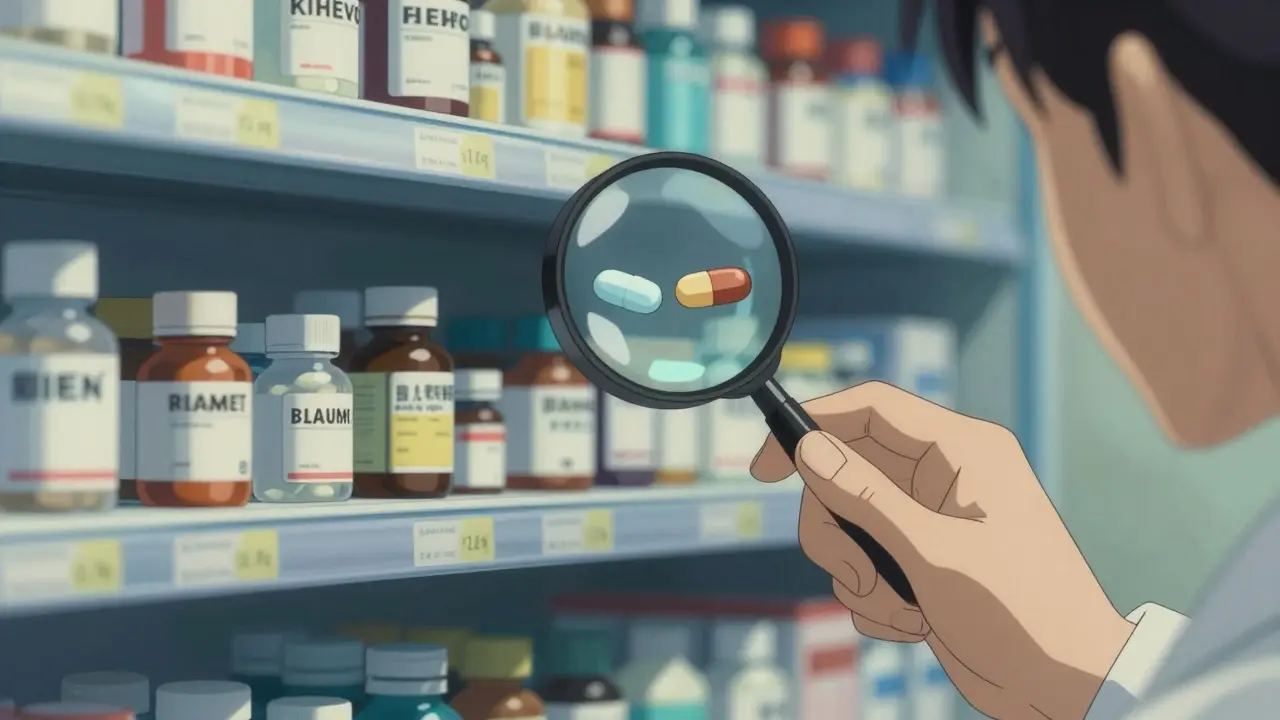
Did you know that for every 10,000 prescriptions filled in a community pharmacy, about 1.4 involve dispensing errors? That number might seem small, but multiply it by millions of prescriptions each year-and the risks become terrifying. When it comes to generic medication errors, the stakes are even higher because these drugs, while cost-effective, introduce unique vulnerabilities that can lead to serious patient harm. Generic Medications are copies of brand-name drugs containing the same active ingredients but often differing in inactive components like fillers or coatings. In the U.S., generics make up 90% of all prescriptions dispensed (FDA data), yet they're involved in a significant portion of medication errors. Why? Because when a pharmacist dispenses a different manufacturer's version, the pill might look completely different-wrong color, shape, or markings. Patients can get confused, especially if they're used to one brand. And that's just the start.
The most frequent clinical errors with generics include dosage mistakes (37.4%), strength discrepancies (19.2%), and issues with the physical form of the drug (14.4%). Take a case from AHRQ: a patient was prescribed a generic version of a medication meant to be taken twice a week, but the label said 'twice daily' due to a manufacturer's labeling error. The patient took it daily and ended up with a dangerous overdose. Another common issue? Look-alike/sound-alike names. For example, 'Hydralazine' and 'Hydroxyzine' sound similar but treat completely different conditions. Pharmacists might accidentally grab the wrong bottle when tired or rushed. Even bioequivalence ranges (80-125% of brand-name drug absorption) can cause problems. A patient switching between generic manufacturers might experience side effects if one version absorbs faster than another. These small differences add up fast when patients take multiple medications.
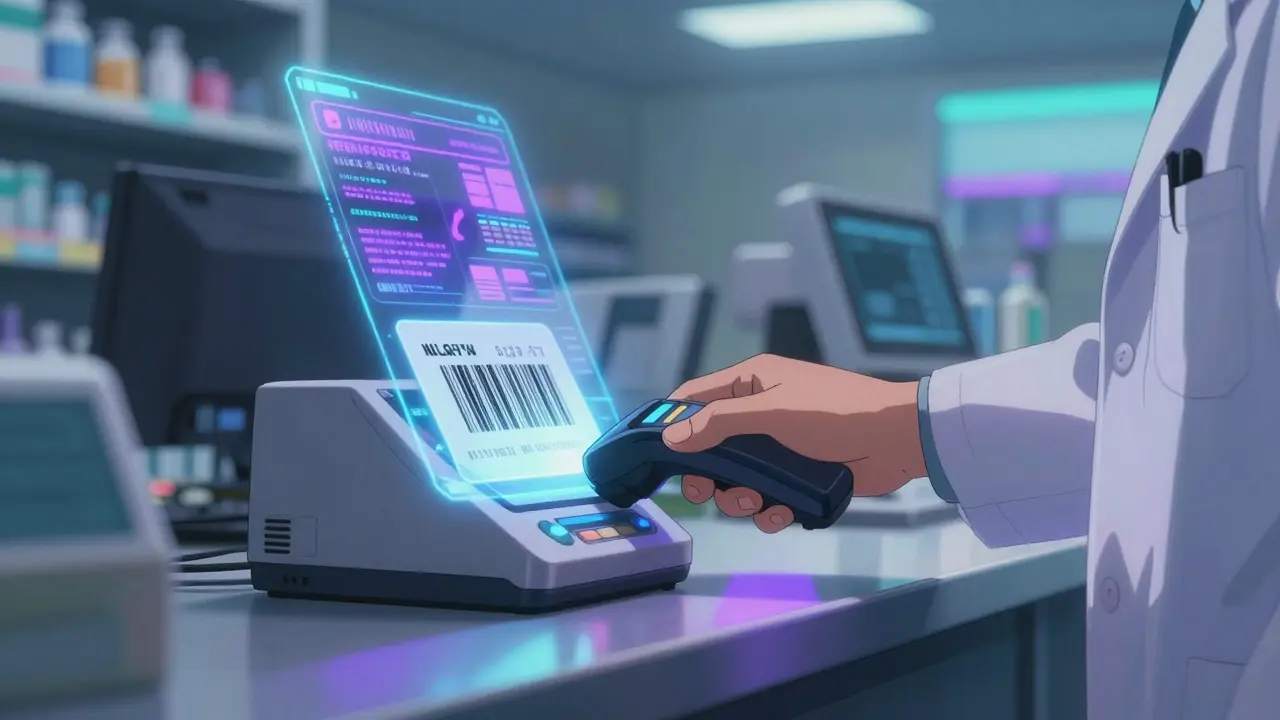
Implementing Clinical Decision Support Systems are software tools that analyze patient data against clinical guidelines to flag potential medication issues can cut medication errors by up to 55% in hospitals (Leapfrog Group, 2019). These systems automatically check prescriptions against drug databases, flagging potential issues like duplicate therapies or incorrect dosages. For generics, CDSS can even alert pharmacists when a specific manufacturer's version has known issues-something manual checks often miss. Bar code medication administration (BCMA) systems reduce adverse events by 50% (Leapfrog Group, 2019). When a pharmacist scans a prescription and a patient's wristband, the system verifies every detail before dispensing. Computerized physician order entry (CPOE) systems also help, reducing errors by 48% in primary care settings (Tariq, 2024). But tech isn't perfect. Too many 'stop alerts' can cause alert fatigue, where staff ignore warnings because they're too frequent. Still, when used right, these tools are game-changers.
| Technology | Error Reduction | Implementation Time | Cost for Mid-Sized Pharmacies |
|---|---|---|---|
| Bar Code Medication Administration (BCMA) | 50% reduction in adverse events | 1-3 months | $15,000-$40,000 |
| Computerized Physician Order Entry (CPOE) | 55% reduction in hospitals | 2-6 months | $20,000-$60,000 |
| Clinical Decision Support Systems (CDSS) | 48% reduction in primary care | 3-6 months | $25,000-$75,000 |
Technology alone isn't enough. The '8 R's of medication safety'-right patient, drug, time, dose, route, documentation, reason, and response-are a lifeline. When pharmacists rigorously apply these steps, they catch errors before they reach patients. For instance, verifying the 'right drug' means checking not just the name but the manufacturer and physical appearance. A pharmacist might spot that a generic pill changed color and confirm with the patient if they've seen this before. Mandatory counseling for first-fill medications adds 3-5 minutes per patient but catches 12-15% of potential errors (AMCP, 2023). One community pharmacy in Birmingham reported that 18% of patients asked about their new generic medication during counseling, leading to corrections before dispensing. Medication reconciliation is another key tool. Pharmacists reviewing a patient's full medication list during discharge can identify 2.3 discrepancies per patient on average (Tariq, 2024). This is especially critical for seniors taking multiple drugs, where generic switches can cause dangerous interactions.
Even with the best systems, errors happen. When they do, speed matters. First, stop the error immediately-don't let the patient take the wrong medication. Then, report it internally to track patterns. Document everything: what happened, why, and how it was fixed. Next, communicate clearly with the patient. Say something like, 'We made a mistake, and we're fixing it right now.' No sugarcoating. Finally, review the process. Did a barcode scanner fail? Was the label unclear? Fix the root cause to prevent repeats. For example, a pharmacy in Manchester found that 40% of their errors came from outdated drug database entries. They updated their reference materials annually, cutting errors by 30% in six months. Remember: reporting errors isn't about blame-it's about learning. Only 28% of community pharmacies track errors formally (AMCP, 2023), but those that do see real improvements.
AI-powered systems are the next big step. Pilot programs show AI-driven CDSS can reduce errors by 22% beyond standard systems (Tariq, 2024) by predicting patient-specific reactions to generics based on genetics. The FDA's 2022 Generic Drug User Fee Amendments (GDUFA III) now require better communication about manufacturer changes, reducing substitution-related errors. The WHO also updated guidelines in 2023 to standardize drug names, which helps with look-alike/sound-alike issues. But challenges remain. Many pharmacies still use outdated databases-42% of pharmacists report incorrect formulation details in their reference systems (Jenkins, 2007). Solutions include annual updates to drug references like 'Drug Facts and Comparisons' ($150-$300 yearly) and tools like Epocrates. The WHO projects comprehensive implementation of existing technologies could reduce medication errors by 70-75% globally by 2030, preventing 1.1 million adverse events annually. That's a future worth working toward.
Dosage mistakes top the list, accounting for 37.4% of clinical errors. These often happen when a prescription specifies a strength that doesn't match the generic's formulation-like a 10mg tablet versus a 5mg tablet that looks similar. Pharmacists can prevent this by double-checking labels and using barcode scanning systems.
Names like 'Hydralazine' and 'Hydroxyzine' sound alike but treat different conditions. When pharmacists are rushed, they might grab the wrong bottle. This accounts for 14.4% of dispensing errors. Using barcode scanners and double-checking labels can prevent this.
No. While technology like CDSS and BCMA reduces errors by 48-55%, human oversight is still critical. Alert fatigue from too many warnings can cause staff to ignore alerts. Combining tech with the '8 R's' and patient counseling catches more errors than either approach alone.
Mandatory counseling for first-fill medications catches 12-15% of potential errors. Patients often ask questions like, 'This pill looks different-was it changed?' That's a chance to verify the prescription. One pharmacy found 18% of counseling sessions revealed discrepancies before dispensing.
Different manufacturers use unique inactive ingredients like dyes or fillers, which change the pill's color or shape. The FDA allows this as long as the active ingredient is identical. Patients may confuse these differences for a new medication, so clear communication is key.

Generic medications can be tricky because even small changes in inactive ingredients affect how they're absorbed. I've seen cases where patients switch between generics and experience side effects. The key is pharmacists verifying the manufacturer and checking with patients about changes. It's not just about the active ingredient-physical appearance matters too. For example, a patient might not recognize a new pill shape and take it incorrectly. Using CDSS to flag manufacturer-specific issues helps a lot. Also, mandatory counseling for first fills catches errors before they happen. Simple steps like double-checking labels can prevent a lot of issues. We need to focus on education for both pharmacists and patients. It's about working together to catch those small differences that add up. In my experience, bar code scanning systems reduce errors by 50% when used properly. Pharmacists should always confirm the physical form matches the prescription. Even small changes in color or shape can confuse patients. Training staff on the '8 R's' is crucial for catching errors early. When patients notice something different, they should speak up-it's their safety on the line. The FDA's guidelines are helpful, but implementation is key. It's not rocket science, but it takes consistent effort.

Pharmacists must double-check labels for generic substitutions-simple but effective.

Look-alike names like Hydralazine and Hydroxyzine are a real problem. I've seen pharmacists grab the wrong bottle when they're rushed. Simple solution: always verify the manufacturer and check the pill's appearance before dispensing. Patients should be educated about these risks. A quick explanation during dispensing prevents confusion. It's about clear communication. Small steps make a big difference. Pharmacists need to take the time to explain changes. It's not complicated-just consistent attention to detail. When patients notice something different, they should ask questions. This builds trust and catches errors early. We all have a role in preventing mistakes. It's teamwork. Simple habits save lives. Always double-check the physical form. Don't assume-confirm.

Let's all work together on this! Pharmacists, patients, and doctors need to communicate better. When a patient sees a different pill, they should ask questions. Pharmacists should take the time to explain the change. It's a team effort. Small changes in how we talk to patients can prevent serious errors. I've seen pharmacies cut errors by 20% just by adding a quick 'this looks different' check during dispensing. Everyone wins when we collaborate! Training staff on the '8 R's' is crucial. Patient counseling catches 12-15% of errors. Barcode scanners help too. Consistent communication is key. Let's keep improving together.

Oh sure, generics are totally safe-just ask the guy who overdosed because the pill looked like a different color. *sarcasm* But seriously, using barcode scanners and CDSS can catch these errors. It's not hard-just a few extra clicks. Maybe if pharmacists stopped being lazy, we wouldn't have these issues. Oh wait, they're already overwhelmed. So let's fix the system instead of blaming the people. The FDA's guidelines need enforcement. Manufacturers should standardize pill shapes. Training staff on look-alike names is critical. Simple steps prevent disasters. It's not rocket science-just attention to detail. Let's make healthcare safer.

Technology is useless. Everyone ignores the alerts. The real problem is pharmacists not paying attention. This whole 'preventing errors' thing is a joke. Bar code scanners? They're always broken. CDSS? Too many false positives. Pharmacists are overworked and undertrained. The system is broken. No one cares about patient safety. It's all about profits. Stop pretending we can fix this. It's hopeless.

Generic meds errors are real. Like, look-alike names? Totally messed up. CDSS can help but sometimes it's janky. Pharmacists need to check the physical pill. Also, bar code scanners are key. Patients should always ask if the pill looks different. Simple steps. Training staff on the 8 R's is crucial. Mandatory counseling catches errors. Clear communication with patients prevents confusion. Manufacturers should standardize pill shapes. It's not hard-just consistent checks. Everyone has a role. Let's keep improving.

Totally agree! We need to work together on this. 🙌 Maybe use barcode scanners to catch errors. Also, patients should ask questions if pills look different. Typos happen, but double-checking helps. #pharmacysafety Mandatory counseling catches 12-15% of errors. Pharmacists should verify manufacturer info. Patients need to be informed. Clear communication prevents mistakes. It's about teamwork. Small steps add up. Let's make healthcare safer!

Everyone's wrong about generics. The real issue is that pharmacists don't check the right things. I've been doing this for 20 years and the biggest problem is the FDA's guidelines being too vague. They need to standardize pill appearances across manufacturers. Also, CDSS systems are overrated-pharmacists should rely on their own knowledge. And patients? They're clueless. If they don't know what their meds look like, that's their fault. It's all about proper training, not tech. The FDA's GDUFA III is a step in the right direction, but it's not enough. Manufacturers should be held accountable for consistent pill shapes. And why do we even have generics? They're not as safe as brand-name drugs. The whole system is broken. Pharmacists need to stop relying on tech and start using their brains. Every single error is preventable with proper checks. It's not rocket science-just common sense. Training staff on look-alike names is critical. Consistent checks prevent disasters. It's time to fix this properly.

This is a complete disaster! America's healthcare system is failing because of lazy pharmacists! We need to fix this immediately! The FDA isn't doing enough! Generics are dangerous! People are dying because of these errors! We need stricter regulations! Stop being complacent! Every pharmacy should be audited daily! Patients deserve better! This is unacceptable! Why isn't the government doing more? We need to hold pharmacists accountable! This is a national emergency! The government must act now! No more excuses! It's time to protect patients! The system is broken-fix it now!

Generics are fine! People just need to trust the system. 😊 But the government should regulate more. It's not that hard. Just follow the rules. Pharmacists should know what they're doing. If they mess up, they should be punished. Patients are too trusting. They need to check their meds. It's simple. Why is this a problem? It's not rocket science. The system works fine. Stop complaining. Trust the process. We're doing great. It's all good. No issues here. Just need to follow the guidelines. Done. Everyone should be happy. No need for changes. Everything's perfect. Trust the system. It's fine. Just move on. No problems. Everything's great. Let's all be happy.

The real problem is Big Pharma's secret agenda! They want you to take these generics so they can control your health! Also, the FDA is corrupt. They're hiding the truth. It's all a conspiracy. We need to expose them. The government is in on it. The pharmaceutical companies are poisoning us. It's not about the meds-it's about control. Wake up! This is a lie! They're trying to kill us. The truth is out there. We need to fight back. It's a plot. They don't want us to be healthy. It's all about money. The system is broken. We need to act now. The truth will set us free. They're manipulating us. Don't believe the hype. Fight for your health. Expose the truth. It's all a lie. Wake up now!

Hey, let's focus on solutions. Training staff on the 8 R's makes a huge difference. Small steps add up! For example, when a patient gets a new generic, have them verify the pill's appearance. It's a simple check that catches errors. Also, barcode scanners are great but need proper use. Pharmacists should always double-check manufacturer info. Patient counseling is key-18% of errors are caught during counseling. It's about teamwork. Everyone has a role. Let's keep improving! Implementing CDSS systems reduces errors by 55% in hospitals. Bar code medication administration cuts adverse events by 50%. It's not just tech-human oversight is crucial. When pharmacists take the time to explain changes to patients, they feel more confident. Consistent communication prevents confusion. Small changes in how we handle generics can save lives. It's not complicated; it's about being thorough. Every pharmacy should have a protocol for verifying generics. Consistent training and checks prevent errors. It's time to take action. Let's make healthcare safer together!

Generics are dangerous. Always. No exceptions. Period.

We should standardize pill appearances for generics. That would cut down on confusion. Simple solution. Also, mandatory counseling for first fills catches 12-15% of errors. Pharmacists need to check the physical form, not just the name. It's about being thorough. Let's make this happen. Using barcode scanners during dispensing reduces errors significantly. Patients should always be informed about changes in their medication's appearance. Clear communication is key. The FDA's guidelines need to be enforced better. Manufacturers should provide consistent pill shapes. It's not just about the active ingredient-look matters too. This is a solvable problem with the right focus. Let's prioritize patient safety above all else. Every pharmacy should have a protocol for verifying generics. Consistent training and checks prevent errors. It's time to take action.