
Postpartum thyroiditis affects 5-10% of new mothers and often goes undiagnosed. Learn the two-phase symptoms, how it differs from depression, and what blood tests you should ask for after giving birth.

Uremic symptoms like nausea and severe itching signal dangerous kidney failure. Learn when to start dialysis based on symptoms-not just lab numbers-and what treatments can help before and after treatment begins.

Pitavastatin is one of the safest statins for people with prediabetes or insulin resistance, with studies showing no increase in diabetes risk - unlike atorvastatin or rosuvastatin. Learn how it works, who should take it, and what the latest guidelines say.

Melanoma survival rates have soared thanks to early detection tools and immunotherapy. Learn how AI, wearable patches, and immune-boosting drugs are changing outcomes in 2026 - and what you can do today to protect yourself.

Digoxin helps manage heart failure and atrial fibrillation, but it has dangerous interactions with common drugs, foods, and supplements. Learn what to avoid and how to stay safe.

Most people don't tell their doctors about supplements-but that silence can be dangerous. Learn why full disclosure matters, how supplements interact with medications, and what to say at your next appointment.

Learn the real caffeine cutoff time to optimize sleep onset, backed by science. Discover why stopping coffee at 2 p.m. can add nearly an hour of restful sleep-and how hidden sources like energy gels and painkillers sabotage your rest.

Autoimmune flares are predictable, not random. Learn the top seven triggers, proven prevention methods, and how early intervention can cut flare severity by half. Real data, real strategies.

Prescription label warnings are critical safety tools designed to prevent dangerous drug interactions and side effects. Learn what the colors, symbols, and phrases really mean-and how to avoid common mistakes that lead to hospital visits.

Switching to generic medications is safe for most people, but some may experience changes in how they feel. Learn how to monitor your health after switching, which drugs need extra care, and what to do if something feels off.
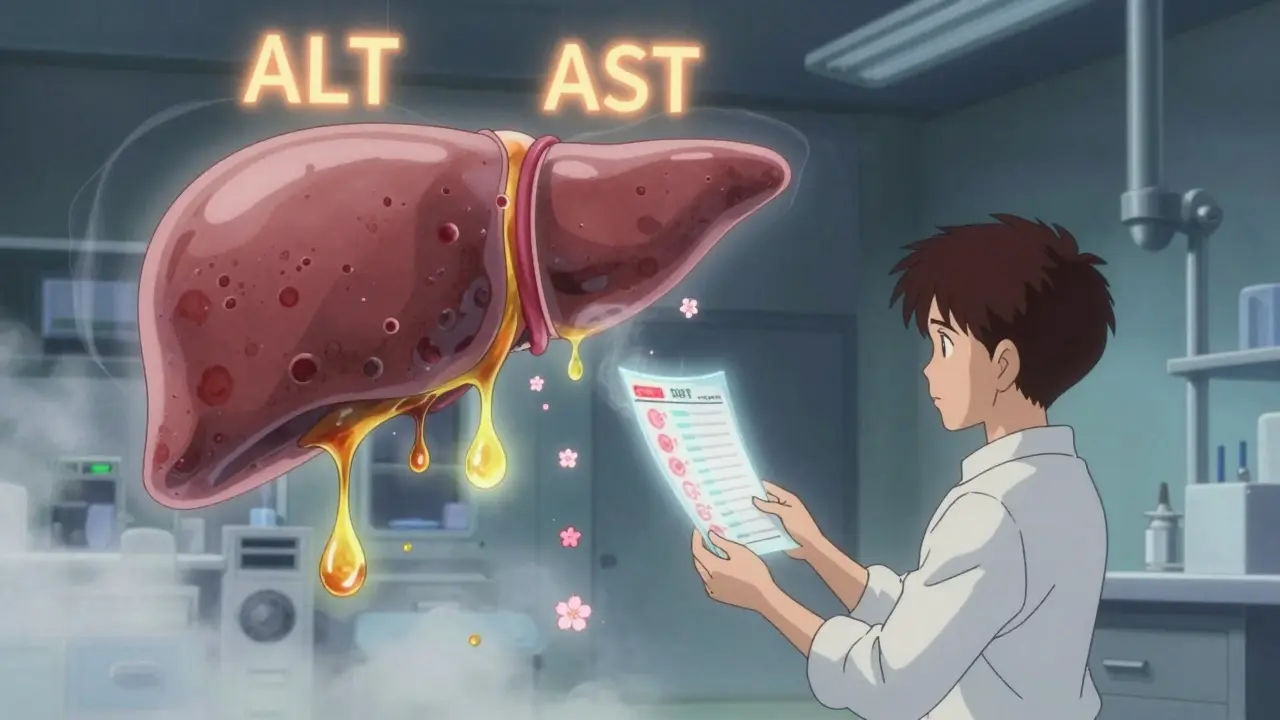
Understand what ALT, AST, and bilirubin mean in liver function tests. Learn how to interpret patterns, spot alcohol damage, and know when to worry-or when to wait. Real insights for real results.
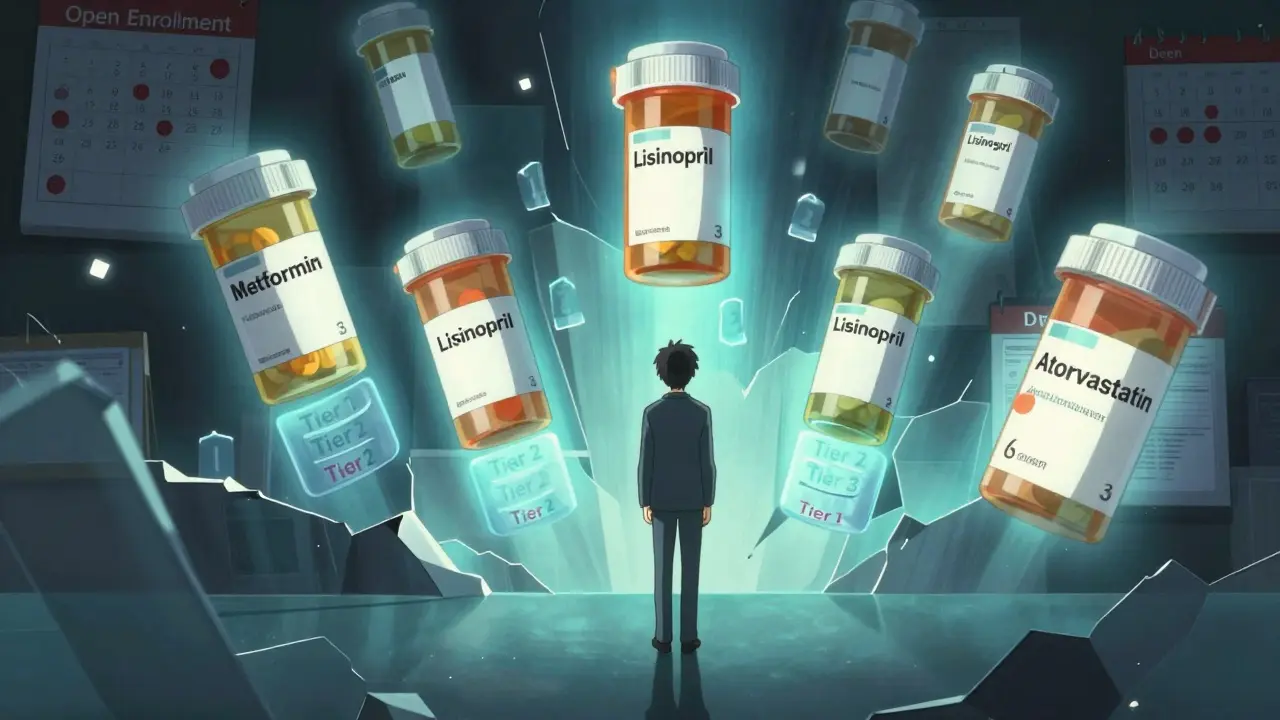
Switching health plans? Generic drug coverage can save you hundreds or thousands a year. Learn how formulary tiers, deductibles, and pharmacy networks impact your prescription costs - and how to pick the best plan for your meds.