
Check all symptoms currently present.
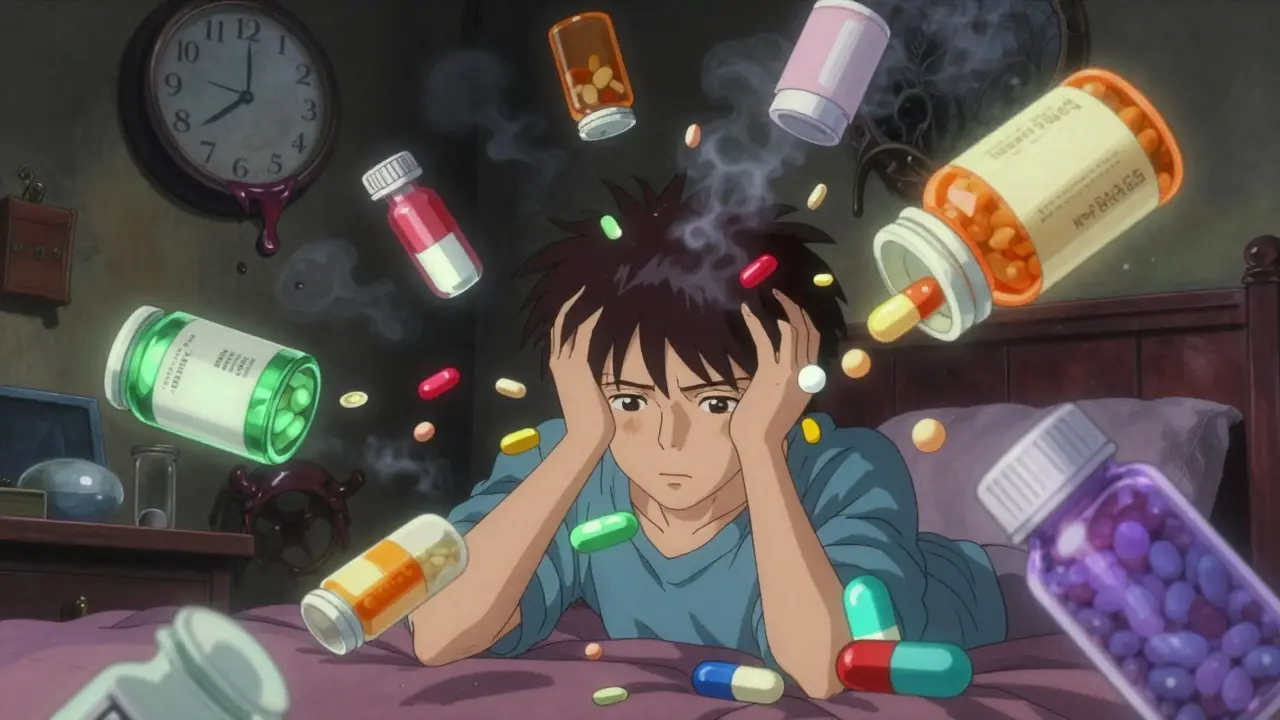
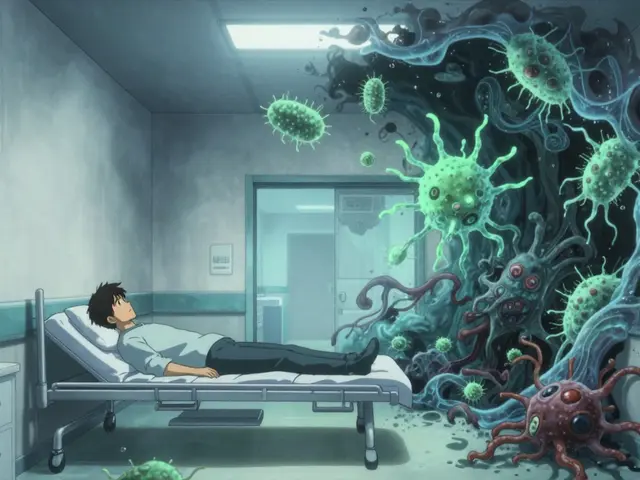
You take your morning pill for depression or anxiety. You feel fine. But hours later, you start shaking uncontrollably. Your heart races. You can’t think straight. This isn’t just a bad day-it could be serotonin syndrome, a dangerous reaction to medications that boost serotonin levels in your brain. It is not rare, and it is not something you should "wait out." If you recognize the signs early, you can save your life.
Serotonin syndrome happens when too much serotonin builds up in your central nervous system. Most often, this occurs with selective serotonin reuptake inhibitors (SSRIs) like sertraline or fluoxetine, especially when mixed with other drugs that also affect serotonin. The condition was first noted in the 1950s but became more common as SSRIs were widely prescribed in the 1980s and 1990s. Today, studies show that about 67% of patients develop symptoms within six hours of starting a new medication, changing a dose, or taking an overdose. About 75% show signs within 24 hours. Time is critical.
To spot serotonin syndrome quickly, you need to know what to look for. Doctors use a specific set of criteria called the Hunter Serotonin Toxicity Criteria to diagnose it. These criteria are considered the gold standard because they catch 84% of cases correctly and rule out false positives 97% of the time. The symptoms fall into three main groups: mental changes, muscle problems, and body function issues.
First, watch for cognitive changes. In 92% of cases, patients become agitated. They may feel confused (78%), experience delirium (65%), or even see things that aren’t there (32%). If someone on antidepressants suddenly acts erratic or panicked without a clear reason, take note.
Second, check for neuromuscular abnormalities. This is where the physical shaking starts. Clonus-a rhythmic, involuntary muscle contraction-is present in 89% of cases. You might notice spontaneous jerking, inducible twitching when a tendon is tapped, or even eye clonus (rapid eye movements). Other signs include hyperreflexia (overactive reflexes) in 76% of cases, muscle rigidity in 68%, and tremors in 54%. A key clue: if their muscles feel tight and jerk when touched, this is a red flag.
Third, look for autonomic hyperactivity. This means their body’s automatic systems are going into overdrive. Sweating heavily (diaphoresis) happens in 85% of cases. A fast heartbeat (tachycardia) affects 79%. Blood pressure may swing high or low (63%). Fever (hyperthermia) occurs in 58%, and diarrhea in 47%. If someone is drenched in sweat, shivering despite being hot, and has a racing pulse, suspect serotonin syndrome immediately.
Not all cases are equal. Doctors classify severity based on temperature and symptom spread. Mild cases involve only one or two symptom categories and a body temperature below 38.5°C (101.3°F). Moderate cases hit all three categories with temperatures between 38.5°C and 41.1°C (101.3°F-106°F). Severe cases push past 41.1°C (106°F), come with extreme muscle rigidity, and threaten multiple organs. The difference matters because treatment escalates quickly.
A common mistake is confusing serotonin syndrome with neuroleptic malignant syndrome (NMS). Both cause fever and muscle stiffness, but they differ in timing and texture. Serotonin syndrome strikes fast-usually within 24 hours-and features hyperreflexia and clonus. NMS develops slowly over 7-10 days and causes "lead-pipe" rigidity, where muscles feel hard and unyielding. Knowing this distinction helps doctors act faster.
| Severity Level | Temperature Range | Key Symptoms | Risk Factor |
|---|---|---|---|
| Mild | < 38.5°C (101.3°F) | Agitation, mild tremor, sweating | Low if treated early |
| Moderate | 38.5°C - 41.1°C (101.3°F - 106°F) | Clonus, confusion, tachycardia, diarrhea | Moderate; requires hospital care |
| Severe | > 41.1°C (106°F) | Rigidity, organ failure, seizures, coma | High; mortality risk increases sharply |
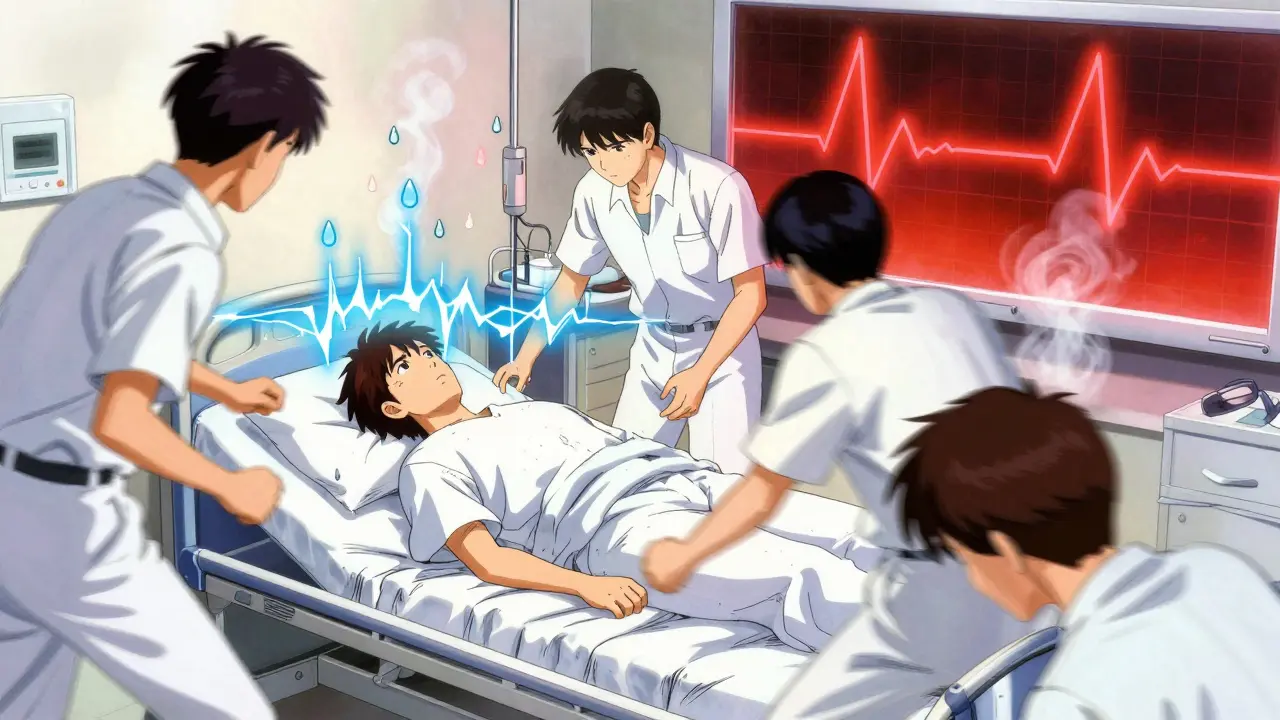
If you suspect serotonin syndrome, do not wait. Call emergency services or go to the nearest ER. The first step in any case is stopping all serotonergic drugs. This includes SSRIs, SNRIs, tramadol, triptans, and certain herbal supplements like St. John’s Wort. Continuing these medications will worsen the condition.
In mild cases, doctors focus on support. They give intravenous fluids (usually 1-2 liters of normal saline) to prevent dehydration from sweating and diarrhea. Benzodiazepines like diazepam (5-10 mg IV) or lorazepam (1-2 mg IV) are given every 1-2 hours as needed. These drugs calm agitation, relax muscles, and prevent seizures-the most dangerous complication. Patients are monitored for 12-24 hours to ensure symptoms don’t escalate.
Moderate cases need more aggressive cooling. Along with benzodiazepines and fluids, doctors use evaporative cooling: fans blowing cool air while misting the skin with water. Non-serotonergic antiemetics like ondansetron (4 mg IV) help control vomiting. Observation extends beyond 24 hours, and vital signs are checked frequently.
Severe cases are medical emergencies requiring intensive care. Airway protection comes first, often through rapid sequence intubation. Paralysis with non-depolarizing agents like rocuronium (1.2 mg/kg IV) stops muscle contractions that generate heat. Aggressive external cooling uses ice packs on major blood vessels and specialized cooling blankets. Sedation with midazolam (1-5 mg IV bolus followed by infusion) keeps the patient still and reduces metabolic demand. Crucially, avoid physical restraints. Studies show that restraining a patient increases muscle activity, raising body temperature further and turning moderate cases severe.
One major myth: antipyretics like acetaminophen or ibuprofen do not work here. The fever in serotonin syndrome comes from excessive muscle movement, not a change in the brain’s thermostat. Giving Tylenol wastes time and offers no benefit. Instead, focus on cooling the body externally and stopping the muscle spasms with benzodiazepines.
Serotonin syndrome rarely happens from an SSRI alone. It usually stems from mixing medications. The highest risk combinations include:
Even seemingly harmless additions can trigger a crisis. For example, a Reddit user reported developing violent shivering and a heart rate of 130 bpm just four hours after adding tramadol to their sertraline regimen. Another patient was misdiagnosed with an anxiety attack despite having ocular clonus and a temperature of 39.4°C (102.9°F), delaying proper treatment by eight hours. Early recognition saves lives.

Most people recover fully if treated promptly. Ninety-two percent of mild-to-moderate cases resolve within 24-72 hours after stopping the offending drug. However, recovery time depends on the medication involved. Fluoxetine (Prozac) has an active metabolite called norfluoxetine with a half-life of 7-15 days. This means symptoms can linger for weeks even after discontinuation. Other SSRIs like sertraline or escitalopram clear the body faster, leading to quicker resolution.
Severe cases carry higher risks. Mortality rates range from 2% to 12%, depending on how quickly treatment begins. A 2021 study found that deaths jumped to 11.3% when care was delayed beyond six hours, compared to just 2.1% when treated within two hours. This highlights why immediate action is non-negotiable.
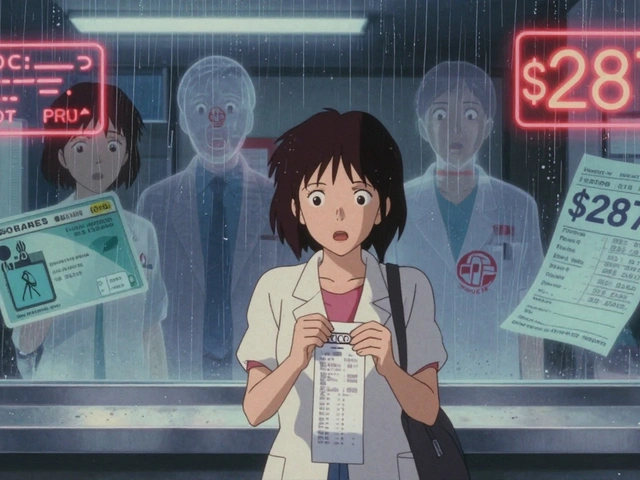
Costs also vary dramatically. Mild cases managed outpatient cost $1,200-$2,500. Severe cases requiring ICU admission run $28,500-$42,000 per episode. Prevention through education and careful prescribing is far cheaper than emergency intervention.
Preventing serotonin syndrome starts with awareness. Always tell your doctor about every medication and supplement you take, including over-the-counter drugs and herbs. Ask specifically about serotonin interactions before starting a new prescription. Some smartphone apps now offer real-time drug interaction checks with 92% accuracy, providing an extra layer of safety.
Hospitals are improving too. Emergency departments using standardized response protocols cut treatment times from 112 minutes to 37 minutes on average. Training programs for staff have boosted recognition rates by 68%. The Joint Commission mandated serotonin syndrome training for all ER staff starting January 2025, ensuring better preparedness nationwide.
New treatments are emerging. A 2024 study showed that early use of dantrolene (1 mg/kg IV) in severe hyperthermia reduced mortality from 11.3% to 4.7%. While cyproheptadine (an antihistamine with serotonin-blocking properties) remains an option, evidence for its effectiveness is limited to case reports. Benzodiazepines remain the cornerstone of therapy due to their proven ability to calm nerves, relax muscles, and prevent seizures.
Symptoms typically appear within 6 hours of starting a new medication, changing a dose, or overdosing. About 75% of patients show signs within 24 hours. Rapid onset is a hallmark of the condition.
No. Antipyretics like acetaminophen or ibuprofen do not work because the fever results from muscle activity, not a change in the brain's temperature regulation. Focus on external cooling methods instead.
Seizures are the most dangerous complication. They can lead to respiratory failure and death. Benzodiazepines are used primarily to prevent seizures by calming the nervous system and relaxing muscles.
Most mild-to-moderate cases resolve within 24-72 hours after stopping the triggering medication. Cases involving fluoxetine may take 3-4 weeks due to its long-lasting metabolite. Severe cases require longer hospital stays and intensive monitoring.
Never. Physical restraints increase muscle contractions, which raises body temperature and worsens hyperthermia. This can turn a moderate case into a severe, life-threatening one. Use chemical sedation with benzodiazepines instead.
High-risk combinations include SSRIs with MAOIs (relative risk 12.4), tramadol (relative risk 8.7), and triptans (relative risk 3.2). Always disclose all prescriptions, OTC drugs, and supplements to your healthcare provider.