You might be taking osteoporosis medications to protect your bones while simultaneously using magnesium supplements for better sleep or muscle relief. It sounds like a harmless combination of two health-focused habits. But if you are not careful about when you take them, one could completely cancel out the other. In fact, taking these two at the same time can reduce the effectiveness of your bone medication by up to 60%. This isn't just a minor side effect; it is a direct threat to your bone density and fracture risk.
The core issue here is absorption. Your body struggles to absorb both substances efficiently when they meet in your stomach. Understanding the specific timing rules is not optional-it is essential for ensuring your treatment actually works. Let's break down exactly how this interaction happens and what you need to do differently starting today.
To understand why timing matters so much, we first need to look at how bisphosphonates work. These are the most common drugs prescribed for osteoporosis, including brand names like Fosamax (alendronate), Actonel (risedronate), and Boniva (ibandronate). They function by inhibiting osteoclasts, the cells responsible for breaking down bone tissue. By slowing this process down, they help maintain or increase bone mineral density.
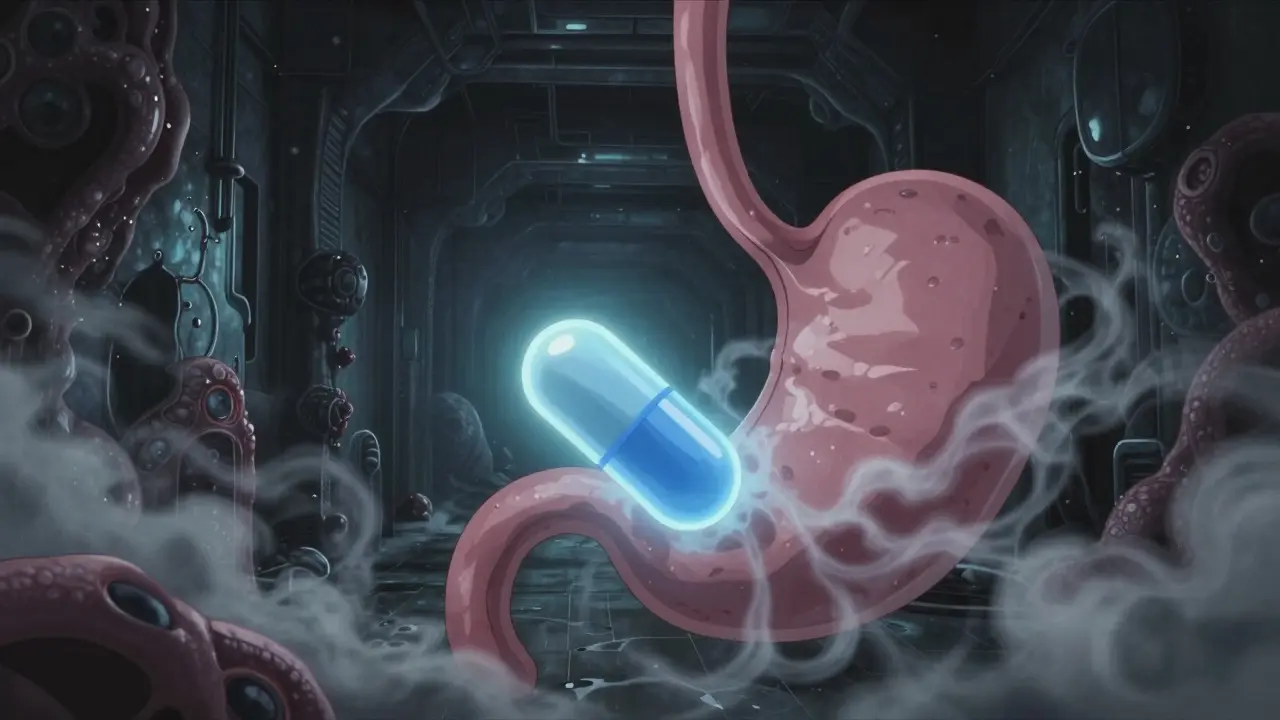
However, these drugs have a major weakness: poor oral bioavailability. Under perfect conditions, your body only absorbs between 0.6% and 12% of the pill you swallow. That means the vast majority of the medication passes right through your system without being used. When you introduce magnesium into the mix, things get worse. Magnesium ions bind to the phosphonate groups in the medication, creating insoluble complexes. Think of it like trying to dissolve sugar in oil-the mixture just sits there, unable to pass through the intestinal wall into your bloodstream.
This chemical reaction, known as chelation, renders the medication useless. Studies conducted by Merck & Co. showed that co-administration with magnesium can reduce alendronate absorption by 40-60%. If you are already starting with low absorption rates, cutting that number in half effectively turns your prescription into an expensive placebo. Over time, this leads to accelerated bone density loss and a significantly higher risk of fractures, which is exactly what the medication was supposed to prevent.
So, what is the solution? The medical consensus is clear and strict. You must separate the intake of oral bisphosphonates and magnesium-containing products by at least two hours. This rule applies whether you take the magnesium before or after the bone medication, but there is a preferred order based on how these drugs interact with food and stomach acid.
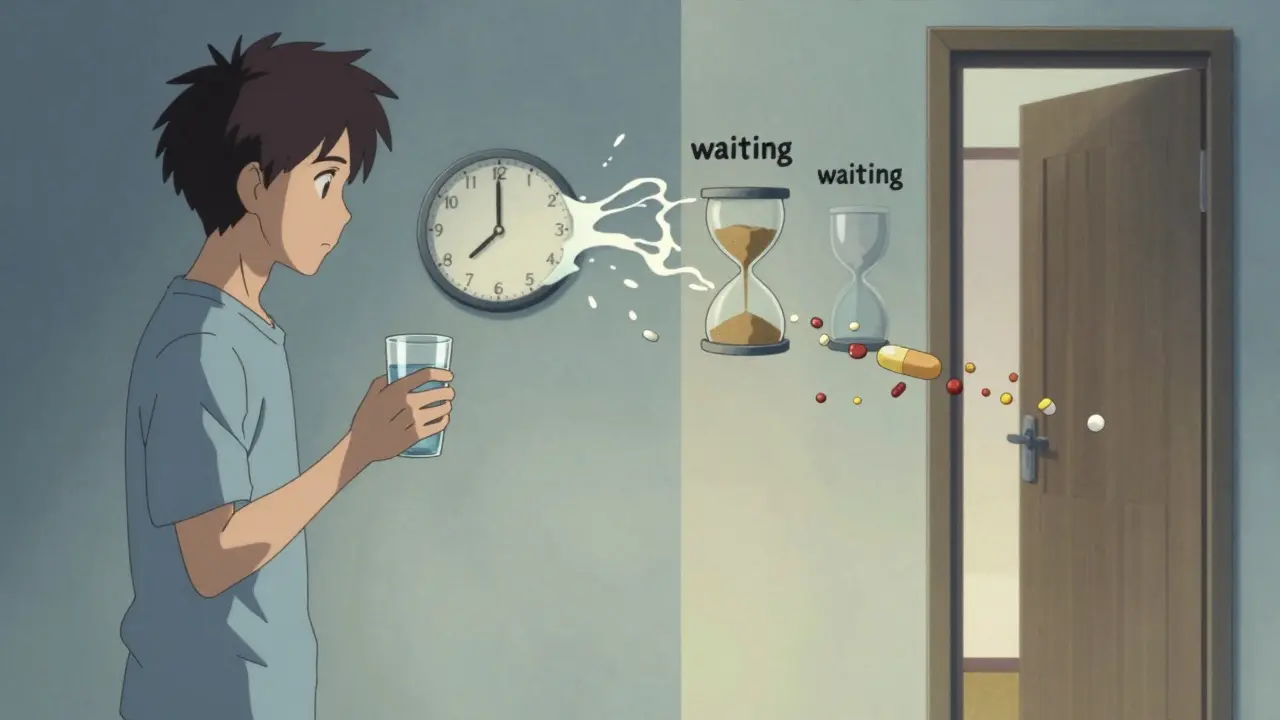
Most guidelines recommend taking your bisphosphonate first thing in the morning. Here is the standard protocol:
This two-hour gap allows your stomach to empty the bisphosphonate into your intestines, where it can be absorbed before the magnesium arrives to interfere. While some sources suggest a minimum of two hours, aiming for this strict window ensures maximum efficacy. For patients managing multiple medications, this timeline can feel restrictive, but it is non-negotiable for those relying on oral bisphosphonates to prevent serious fractures.
A common mistake people make is thinking "magnesium" only refers to the powder or pill they buy at the pharmacy. In reality, magnesium is hiding in many everyday products. If you take any of these within two hours of your osteoporosis medication, you are triggering the same negative interaction.
| Product Type | Example Brands/Types | Approximate Magnesium Content |
|---|---|---|
| Multivitamins | One-A-Day, Centrum, Nature Made | 100-250 mg |
| Antacids | Maalox, Mylax, Milk of Magnesia | 200-800 mg per dose |
| Laxatives | Magnesium Citrate, Epsom Salts | Varies widely (often high) |
| Bottled Water | San Pellegrino, Gerolsteiner | 50-100+ mg per liter |
| Dairy Alternatives | Fortified almond or soy milk | 10-50 mg per serving |
Pay special attention to antacids. Many people reach for Tums or Maalox for heartburn without realizing these contain calcium or magnesium. Taking an antacid too soon after your Fosamax can neutralize its effects instantly. Even some bottled waters, particularly mineral waters from Europe, have high magnesium levels. While dietary magnesium from leafy greens is less likely to cause severe issues due to slower digestion, it is still safest to keep heavy magnesium meals separate from your morning medication dose.
Not every osteoporosis medication requires this strict separation. The two-hour rule specifically applies to oral bisphosphonates. If you are receiving intravenous (IV) infusions, such as Reclast (zoledronic acid) or Aclasta, the medication bypasses your gastrointestinal tract entirely. Since it goes directly into your bloodstream, magnesium in your stomach cannot interfere with its absorption. You can take magnesium supplements freely alongside IV treatments.
However, other classes of oral osteoporosis drugs also have absorption issues. Denosumab (Prolia) is an injection given every six months, so timing with daily supplements is irrelevant. But newer agents like Romosozumab (Evenly) or selective estrogen receptor modulators (SERMs) like Raloxifene generally do not have the same severe chelation issues with magnesium. Always check your specific prescription label. If it says "take on an empty stomach" and warns against minerals, the two-hour rule likely applies.
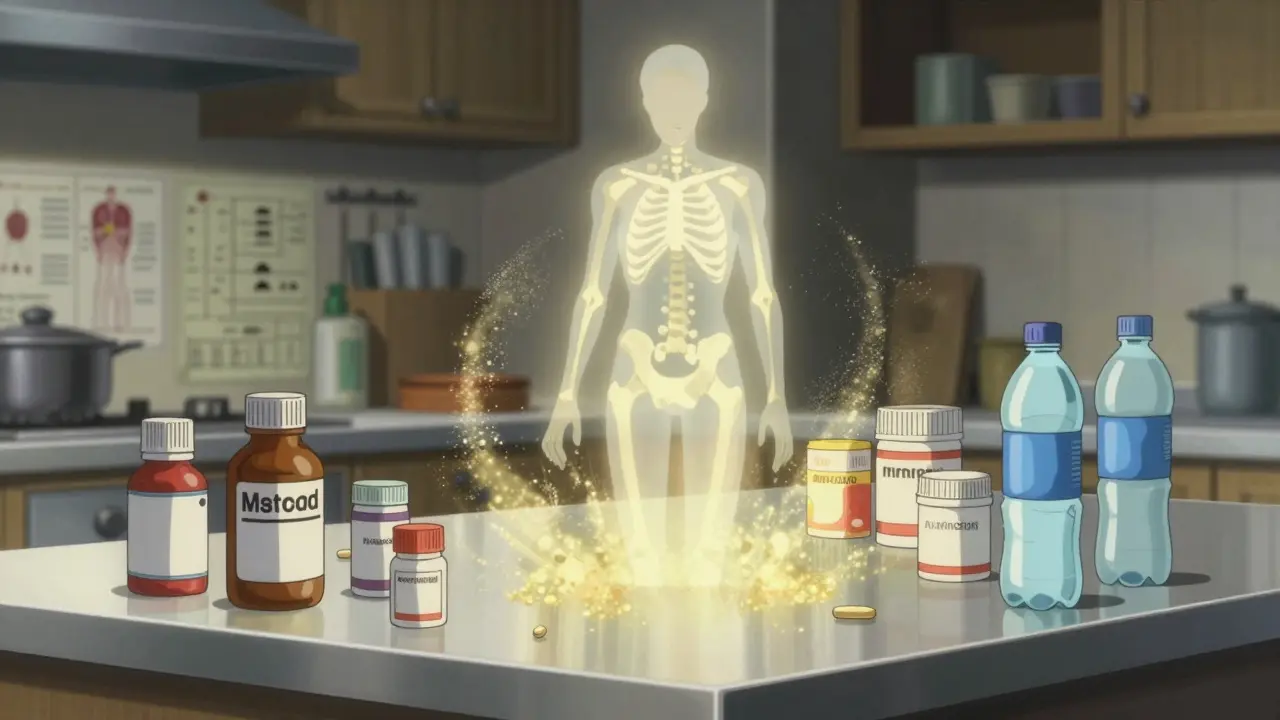
We know that remembering complex schedules is hard, especially if you take five or more medications a day. Research shows that nearly 40% of patients are unaware of this interaction, leading to silent treatment failure. Here are some practical ways to build this habit into your routine.
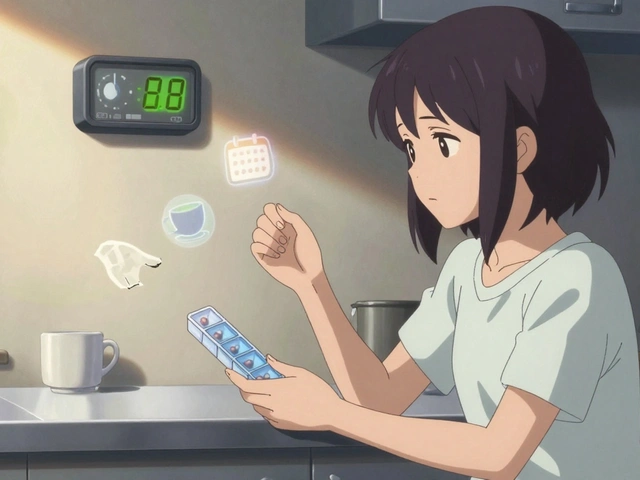
Use a Visual Timer: Set a simple kitchen timer or phone alarm for two hours after taking your morning pill. Do not rely on memory. Label the alarm "Magnesium OK" so you know exactly when the window opens.
Organize Your Pills: Standard AM/PM pill boxes often fail here because they don't account for the mid-morning gap. Consider a four-compartment organizer labeled "Morning," "Mid-Morning," "Afternoon," and "Night." Place your bisphosphonate in the "Morning" slot and your magnesium/multivitamin in the "Mid-Morning" slot.
Review Your Cabinet: Go through your bathroom and kitchen cabinets. Identify every product that contains magnesium. Move them to a different shelf or put a sticky note on them saying "Wait 2 Hours After Bone Med." This physical separation reduces the chance of accidental simultaneous use.
Talk to Your Pharmacist: Pharmacists are now required to highlight this interaction. Ask them to print a schedule on your prescription label. If you are struggling to adhere to the timing, ask your doctor about switching to a weekly dosing regimen or an IV option, which removes the daily burden of strict timing.
If you accidentally take your magnesium and bisphosphonate at the same time, don't panic. A single instance will not destroy your bone density overnight. However, it does mean that particular dose was largely wasted. Do not double up the next day to "make up" for it, as this increases the risk of side effects like esophagitis. Simply resume your normal schedule the following day.
If this happens frequently, your blood tests may show lower-than-expected improvements in bone markers. Your doctor might think the medication isn't working and switch you to a stronger, more expensive drug. By clarifying your adherence and fixing the timing issue, you can often stay on your current, effective treatment plan.
Most multivitamins contain magnesium, calcium, or zinc, all of which can interfere with bisphosphonate absorption. You should wait at least two hours after taking your osteoporosis medication before taking your multivitamin. Check the label of your specific brand to see if it contains magnesium.
The form of magnesium (citrate, oxide, glycinate) does not change the fundamental interaction. All forms release magnesium ions in the gut that can bind to bisphosphonates. The timing rule applies regardless of the type of magnesium supplement you use.
No. Prolia is an injectable medication given every six months. Because it is injected directly into the muscle, it bypasses the digestive system. Therefore, oral magnesium supplements do not interfere with its absorption or effectiveness.
On an empty stomach, gastric emptying typically takes 30 to 60 minutes. However, to ensure complete clearance and avoid any residual interaction, the standard medical recommendation is a two-hour window before introducing magnesium or other minerals.
Yes. After you have waited the required two hours post-bisphosphonate, you can eat a meal and take your magnesium. Food does not significantly worsen the magnesium-bisphosphonate interaction once the bisphosphonate has been absorbed, though high-fiber or high-calcium meals might slightly slow magnesium absorption itself.