Safety Notice: This tool identifies common symptoms associated with medication side effects discussed in the article. It does not provide medical diagnosis. Always consult your healthcare provider before stopping medications.
Adverse Drug Reactions (ADRs) account for roughly 6.7% of hospital admissions in developed countries. That means for every 100 people admitted to the hospital, nearly seven are there because a medication caused harm rather than healing. When we talk about medication risks, we often think of allergies or nausea. But a much more serious category involves direct damage to your vital organs. This is known as organ-specific side effects. Unlike general sickness, these reactions target specific biological machinery-the liver filtering toxins, kidneys managing fluid, the heart pumping blood, or nerves transmitting signals.
Understanding these risks isn't about scaring you away from necessary medicine. It is about empowering you to spot warning signs early. In fact, recognizing symptoms like dark urine, swelling ankles, or tingling fingers can prevent permanent injury. We know that approximately 85% of predictable reactions fall into this organ-specific category. By mapping out how different drugs affect your body, you gain control over your treatment plan.
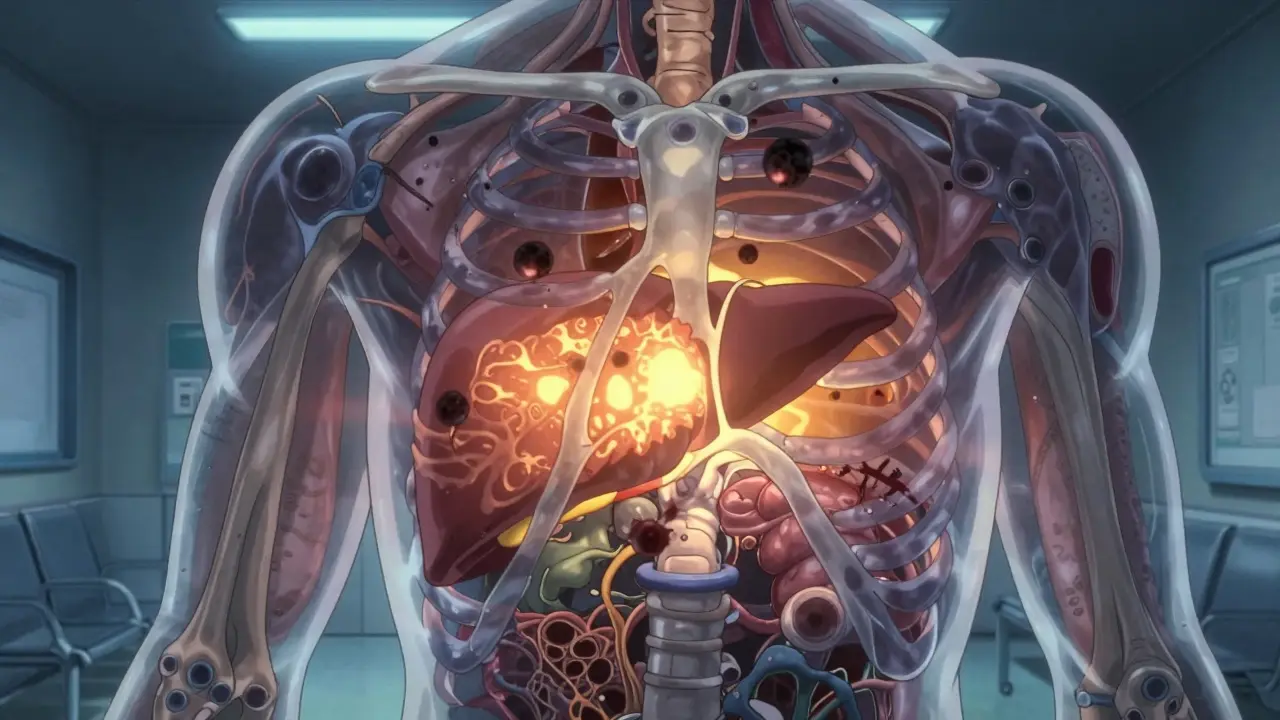
The liver acts as your body's chemical processing plant. Because it filters almost everything that enters your bloodstream through food and medicine, it takes the brunt of many toxicities. We categorize liver damage into three main types: steatosis (fatty buildup), chemical hepatitis (inflammation), and hepatic necrosis (cell death). The most common culprit in the United States is acetaminophen. While it is a standard pain reliever found in countless combination products, overdosing remains a leading cause of acute liver failure. Studies show it causes 56,000 emergency visits yearly.
| Medication Class | Specific Drug Examples | Primary Risk Factor |
|---|---|---|
| Pain Relievers | Acetaminophen (Paracetamol) | Dose exceeding 10 grams/day |
| TB Medication | Isoniazid | Slow acetylator genetics |
| Cholesterol Control | Statins | SLCO1B1 gene variants |
| Fungal Infection | Azole Antifungals | Cytochrome P450 interaction |
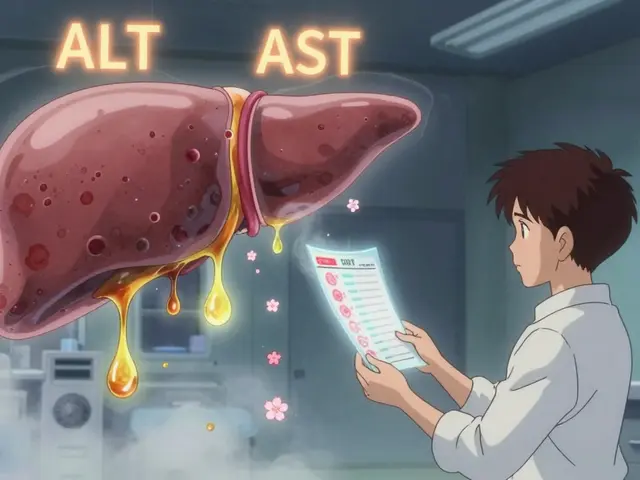
You do not always feel liver pain immediately. In fact, most patients notice fatigue, nausea, or dark urine after four to eight weeks of use. Blood tests reveal the issue through elevated enzymes called alanine transaminase (ALT). Clinical guidelines suggest stopping the offending drug if ALT exceeds five times the upper limit of normal. Genetic factors play a huge role here; for instance, slow metabolism of isoniazid increases toxicity risk significantly in certain populations due to NAT2 gene variations.
Your kidneys filter waste from your blood continuously. They rely on a steady blood supply and sensitive filtration structures. When certain drugs disrupt this flow or clog the filters, acute kidney injury (AKI) occurs. This can happen through direct tubular toxicity, glomerular damage, or crystal-induced blockages. Aminoglycoside antibiotics like gentamicin are notorious for this, affecting up to 25% of patients receiving long-term therapy. The drugs enter kidney cells via specific receptors called megalin, leading to mitochondrial dysfunction.
Another massive risk factor is the daily use of non-steroidal anti-inflammatory drugs (NSAIDs) like ibuprofen. Regular users over age 65 face a higher incidence of interstitial nephritis. If you undergo imaging procedures requiring iodinated contrast dye, your risk of contrast-induced nephropathy jumps from less than 1% to over 50% if you already have impaired renal function. Monitoring is critical here. Doctors track creatinine levels and estimated glomerular filtration rate (eGFR). If eGFR drops below 30 mL/min, many nephrotoxic agents must be held or adjusted immediately.
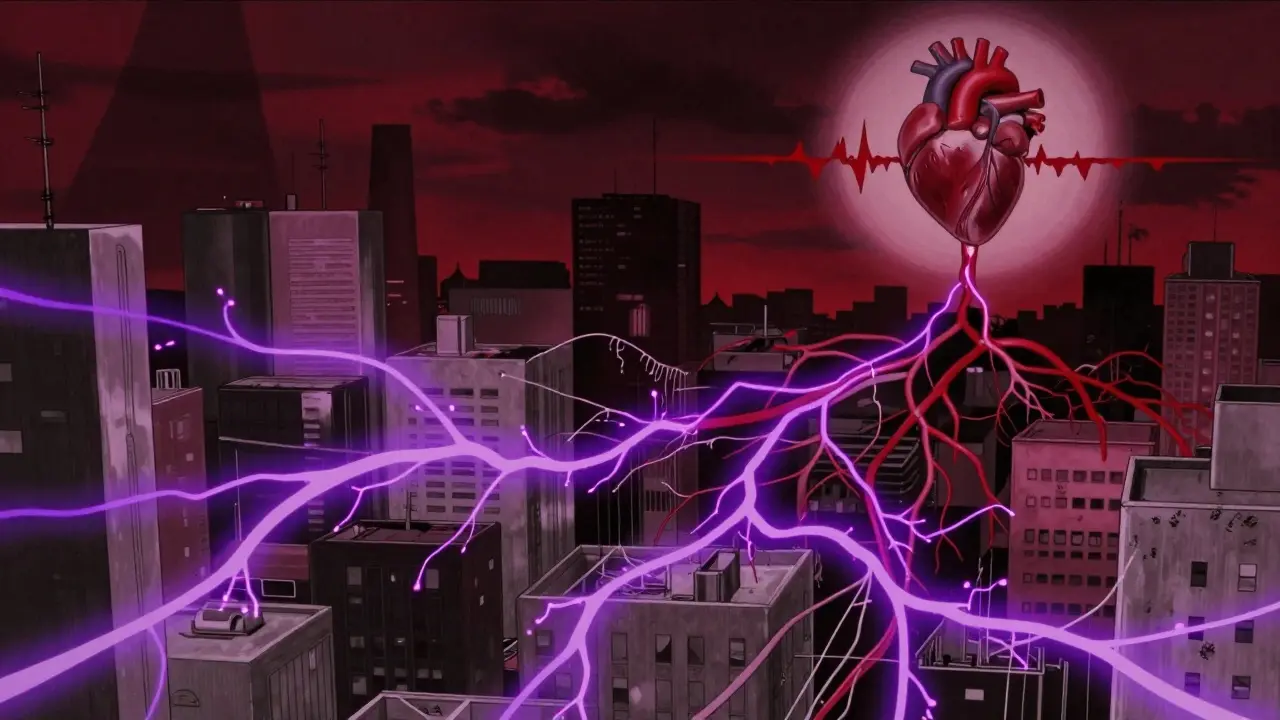
Heart tissue is incredibly sensitive to oxidative stress. Certain cancer therapies, specifically anthracyclines like doxorubicin, cause dose-dependent cardiotoxicity. There is a cumulative safety cap; once you exceed 450-500 mg/m², the risk of congestive heart failure rises sharply to about 26%. The mechanism involves free radical formation inside heart muscle cells. Modern oncology requires baseline echocardiograms before starting these treatments to measure left ventricular ejection fraction (LVEF). If that percentage drops more than 15 points, treatment usually stops permanently.
Immune checkpoint inhibitors, used increasingly for immunotherapy, bring their own unique dangers. These drugs supercharge your immune system to fight cancer, but sometimes that army attacks the heart instead. Myocarditis occurs in roughly 0.1% of patients but carries a mortality rate of up to 50% in affected individuals. Furthermore, common antibiotics known as fluoroquinolones have been linked to aortic aneurysm risk. Even typical antipsychotics can alter electrical conduction in the heart, prolonging the QT interval and risking arrhythmia.
While we often associate nerve damage with physical trauma, medications frequently induce neuropathies. Platinum-based chemotherapies like cisplatin cause sensory neuropathy in 30-70% of patients. Oxaliplatin specifically creates a sensitivity to cold temperatures during infusion. Beyond pain management, chronic use of certain drugs affects brain chemistry. Proton pump inhibitors (PPIs), commonly prescribed for acid reflux, show a statistically significant link to dementia risk with regular use exceeding four years.
The nervous system also reacts to immune responses triggered by drugs. Immune checkpoint inhibitors can cause Guillain-Barré syndrome or encephalitis in rare cases. These complications appear within the first 90 days of treatment initiation. Symptoms range from mild tingling in fingers to severe confusion or muscle weakness. Recognizing these early neurological changes allows doctors to switch therapies before permanent damage sets in.
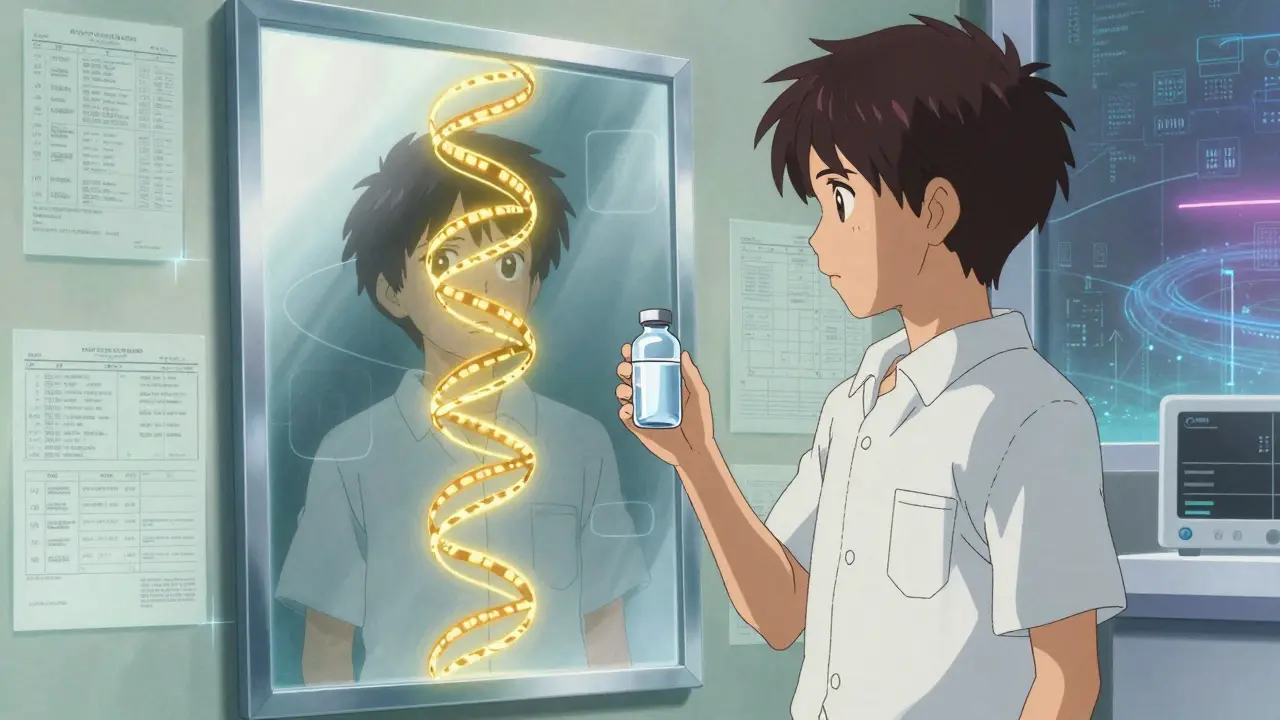
Not everyone metabolizes drugs the same way. Tissue-specific expression of enzymes makes some people susceptible while others remain unaffected. Research highlights genes like SLCO1B1 for statin myopathy and NAT2 for isoniazid hepatotoxicity. As pharmacogenomics advances, pre-treatment genetic testing becomes more viable for identifying high-risk individuals. Dr. David Juurlink notes that cytochrome P450 enzymes generate reactive metabolites in about 60% of hepatotoxicity cases, explaining why metabolism speed matters so much.
Environmental and lifestyle factors stack onto genetic risks. Volume status, concurrent medications, and pre-existing conditions change the landscape. If you have low blood volume, kidney vulnerability increases. Taking multiple interacting medications multiplies the risk. The FDA mandates that drug development now includes specific organ toxicity assessments using two animal species, aiming to catch these risks before human trials. However, real-world monitoring relies on electronic health records, such as the FDA Sentinel Initiative, which tracks adverse events across 190 million Americans.
You can actively manage these risks through simple checks. Keep an inventory of all supplements and prescriptions you take. Many people unknowingly ingest too much acetaminophen by combining cold meds with pain relief tabs. Ask your provider for baseline blood work before starting high-risk classes of drugs. During treatment, pay attention to urinary habits-frequency, color, and volume are cheap indicators of kidney health.
Monitor for subtle shifts in energy or cognition. If you experience persistent fatigue alongside new medication, mention it. New biomarker panels, approved recently, detect liver injury days earlier than traditional tests using microRNA markers. While not yet universal in every clinic, discussing these options with your specialist shows proactive care. Always report unexplained symptoms to your pharmacist or doctor, as reporting contributes to the global safety database that helps future patients.
Do not stop essential medication abruptly without consulting your doctor. Sudden discontinuation can trigger rebound effects or worsen underlying conditions. Contact your healthcare provider immediately to discuss lab testing and potential alternatives.
Hydration is critical for kidney protection, especially with contrast dyes or aminoglycosides. Avoid alcohol completely to reduce liver stress. However, avoid herbal supplements like St. John's Wort unless cleared by a doctor, as they can interact dangerously with liver metabolism pathways.
Frequency depends on the drug's toxicity profile. For high-risk meds like TB treatment or statins, monthly checks are standard initially. Once stable, intervals may extend. Follow your specific provider's protocol based on your personal health history.
Yes, older adults are significantly more vulnerable. Reduced kidney function naturally declines with age, making clearance slower. Doses often need adjustment for seniors to prevent accumulation of toxic metabolites in tissues.
Seek immediate help if you see yellowing of skin or eyes (jaundice), sudden shortness of breath, chest pain, inability to urinate, or rapid heartbeat. These indicate acute organ failure that needs urgent intervention.

i really appreciate the detailed breakdown on liver enzymes and the table is helpful stuff to know especially for my family members dealing with chronic pain and i wish more people knew about the signs early

This information provides a necessary framework for understanding drug interactions and physiological responses accurately.

this info saves lives 👍

It is imperative that we understand the gravity of pharmaceutical toxicity in modern medicine. The data presented regarding hepatotoxicity reveals a disturbing trend in patient safety. We must scrutinize the mechanisms of acetaminophen metabolism with extreme prejudice. Many individuals underestimate the silent progression of liver necrosis until it is too late. The genetic component involving NAT2 variants is particularly concerning for public health officials. We see similar patterns emerging in renal failure cases linked to standard NSAID usage. The accumulation of toxic metabolites is a slow poison that goes unnoticed by the average consumer. Healthcare providers often fail to emphasize the severity of contrast-induced nephropathy risks adequately. Cardiac tissue damage from chemotherapy agents demands rigorous baseline echocardiograms before initiation. Immune checkpoint inhibitors represent a double-edged sword that requires constant vigilance. The potential for myocarditis remains understudied in broader populations despite its high mortality rate. Neurological decline associated with proton pump inhibitors is another area demanding immediate regulatory attention. Patients need access to pharmacogenomic testing to mitigate these inherent biological vulnerabilities. Environmental factors compound these risks significantly when combined with poor lifestyle choices. The current FDA guidelines are a step forward but remain insufficient for complete risk elimination. Society must accept the reality that medication carries significant organ-specific hazards alongside benefits.

While the risks are real we should not forget that medicine also cures diseases. Finding balance is key for every patient journey ahead.

its really scarry reading this because my dady had bad reaction to his meds and lost kidney function quick lol

dont worry too much just keep communicating with your doctor everything will turn out fine

Most people dont have the intellect to grasp metabolic pathways clearly. They rely on pop science instead of real pharmacology. This summary is adequate for laymen but lacks depth.

theres some good tips here about watching out for dark urine or tingling fingers whtch i dident know much about before

Wow this is eye opening! 😳💊 We really need to talk to our doctors more often ❤️🩺 Stay safe everyone!

the silence of these symptoms before they hit hard is absolutely terrifying to imagine happening to someone you love

The bioavailability dynamics coupled with renal clearance rates suggest significant variance in cytochrome P450 activity profiles. Pharmacokinetics play a massive role here.

I agree!! The data is shocking!!! We need to change!!! Safety first!!!!!!

People need to take responsibility for their own health education 🛑💊 Ignorance is no excuse when lives are on the line ⚠️