

Every year, over 36 million older adults in the U.S. fall - and for many, the cause isn’t just slippery floors or poor lighting. It’s something sitting in their medicine cabinet: sedating antihistamines. Drugs like diphenhydramine (Benadryl), chlorpheniramine, and brompheniramine are still widely used by older adults for allergies, colds, or even sleep. But the risks? They’re real, serious, and often ignored.

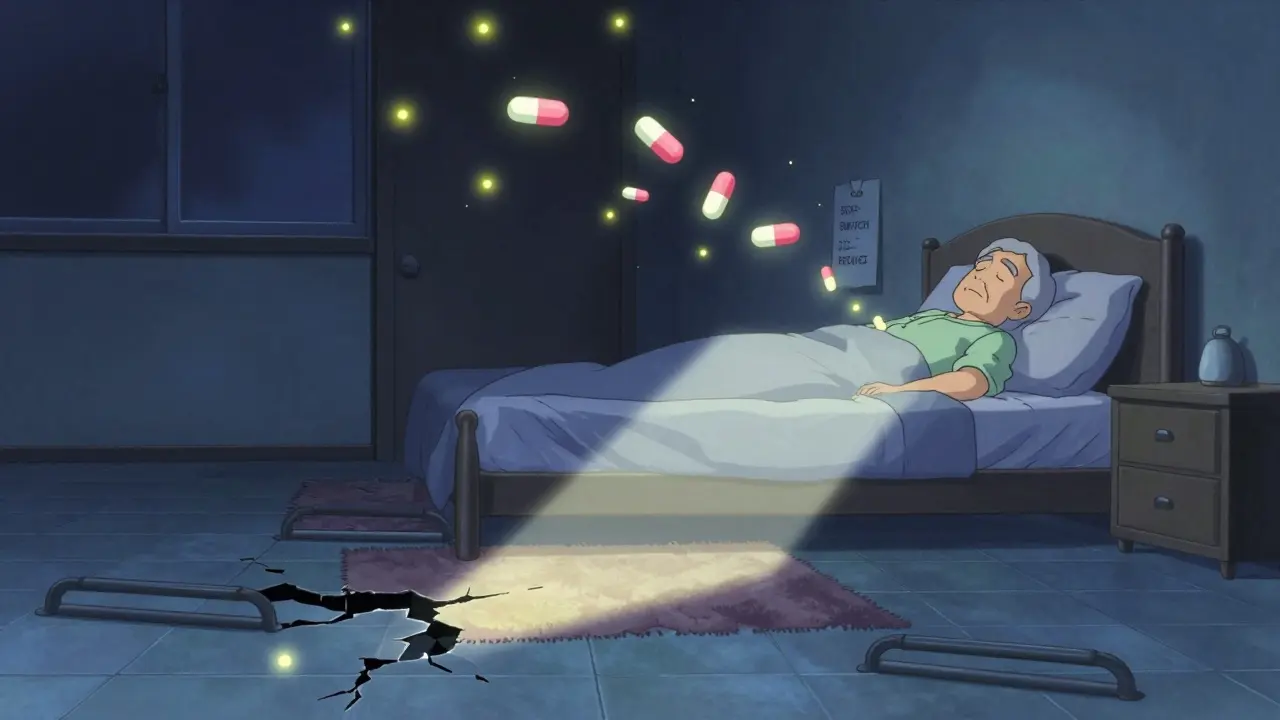
No, not if they contain first-generation antihistamines like diphenhydramine or chlorpheniramine. These drugs significantly increase fall risk, confusion, and delirium in older adults. Even though they’re sold without a prescription, they’re not safe for people over 65. Second-generation options like fexofenadine (Allegra) or loratadine (Claritin) are much safer alternatives.
It’s cheap, easy to find, and many people still believe it’s a harmless sleep aid or allergy remedy. Manufacturers don’t have to warn consumers about fall risks on OTC labels. Many older adults aren’t aware of the Beers Criteria or CDC guidelines. Doctors sometimes prescribe it out of habit. The result? A dangerous gap between evidence and practice.
Reducing the dose helps - for example, using 12.5mg of diphenhydramine instead of 25mg - but it doesn’t eliminate the risk. Even low doses can impair balance in older adults. The safest approach is to switch to a non-sedating alternative like fexofenadine. If you must use a first-gen antihistamine, only use it at night, and never combine it with other sedatives.
Nasal saline irrigation reduces allergy symptoms by 35-40%. Using allergen-proof bedding cuts dust mite exposure by 83%. HEPA air filters remove 99.97% of airborne allergens. Avoiding outdoor exposure during high-pollen days and showering before bed can also help. These methods are safer, cheaper, and just as effective as sedating antihistamines.
Say: “I’ve read that first-gen antihistamines like Benadryl increase fall risk in older adults. I’d like to stop it - what’s the safest way to do it? Are there non-drug options I can try instead?” Bring your medication list. Ask if they’ve reviewed your drugs using the Beers Criteria. A good doctor will help you taper safely and offer alternatives.

oh my gosh i had no idea benadryl was this dangerous for older folks 😳 i thought it was just a sleepy pill… my grandma takes it every night for ‘sleep’ and i just assumed it was harmless. time to have a chat with her and her pharmacist ASAP. also, i just bought her a nightlight and a grab bar for the bathroom-small changes, but maybe they’ll help. thanks for this eye-opener!!

definitely agree with nina. i’m a pharmacy tech and we see this all the time. people walk in asking for ‘something to help them sleep’ and we hand them diphenhydramine like it’s candy. no one ever asks if they’ve fallen before. no one checks their meds. it’s wild. but honestly? switching to fexofenadine is so easy-same price, no sedation, no confusion. why are we still doing this?

from india here-same thing happens. people use cetirizine like water, even for colds or itching. i asked my uncle why he takes it every day-he said ‘it helps me feel calm.’ uh… yeah. that’s because it’s making you drowsy. we need better awareness. maybe posters in clinics? or a simple ‘this may cause dizziness’ sticker on bottles? small things help.

While the clinical evidence presented is both compelling and methodologically rigorous, it is imperative to recognize the sociocultural inertia that perpetuates the continued use of first-generation antihistamines among geriatric populations. The normalization of diphenhydramine as a nocturnal sedative is not merely a pharmacological oversight-it is a symptom of a broader healthcare system that privileges convenience over clinical prudence. Furthermore, the absence of mandatory labeling regarding fall risk on OTC formulations constitutes a regulatory lacuna that disproportionately impacts vulnerable elders. The Beers Criteria, while widely cited in academic literature, remain underutilized in primary care settings due to cognitive load, time constraints, and insufficient continuing medical education. A systemic intervention-not merely patient education-is required to effect meaningful change.

my mom switched from benadryl to claritin last year. no more morning grogginess. she’s walking the dog again without holding onto the railing. simple fix. why isn’t this common knowledge?

okay but like… is this really a ‘crisis’? people have been taking diphenhydramine for 70 years. if grandma falls once, is that really on the med? maybe she’s just uncoordinated. also, fexofenadine costs $30 without insurance. diphenhydramine is $5. so… we’re asking people to pay more to avoid a risk that’s not guaranteed? i’m not convinced. also, did you account for confounding variables like polypharmacy? nah. just blame the antihistamine. classic.

you’re right, freddy, but let’s not forget-cost isn’t the only factor. what’s the cost of a hip fracture? hospital stay? rehab? lost independence? i’ve seen it firsthand. a $5 pill that leads to a $50k hospital bill isn’t a bargain-it’s a trap. and if you can’t afford fexofenadine? ask for generic loratadine. it’s cheaper than benadryl in bulk. and yes, polypharmacy matters-but that’s why we need pharmacists to do brown bag reviews. this isn’t about blame. it’s about prevention.

my dad took diphenhydramine for 10 years. he fell last winter. broke his hip. now he’s in a wheelchair. i’m so mad. i didn’t know. 😔 i wish someone had told me. please, if you’re reading this-check your meds. seriously. 🙏