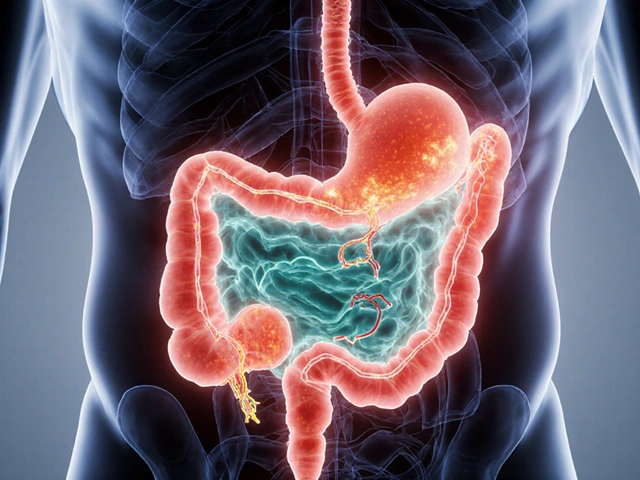
When you're dealing with sudden, severe pain - whether it's after surgery, a bad back injury, or a toothache - taking one pill and hoping it's enough can feel like gambling. Many people find that single painkillers just don't cut it. That's where generic fixed-dose combinations come in. These aren't fancy new drugs. They're simple, proven, and widely available: two pain-relieving ingredients baked into one tablet or capsule. And for a lot of people, they work better than taking two separate pills.
A fixed-dose combination (FDC) means two active medicines are packed together in one pill, with a set amount of each. You can't change the dose. If the tablet has 50 mg of tramadol and 50 mg of diclofenac, that's what you get. No more, no less. This isn't about convenience alone. It's about how these drugs work together.
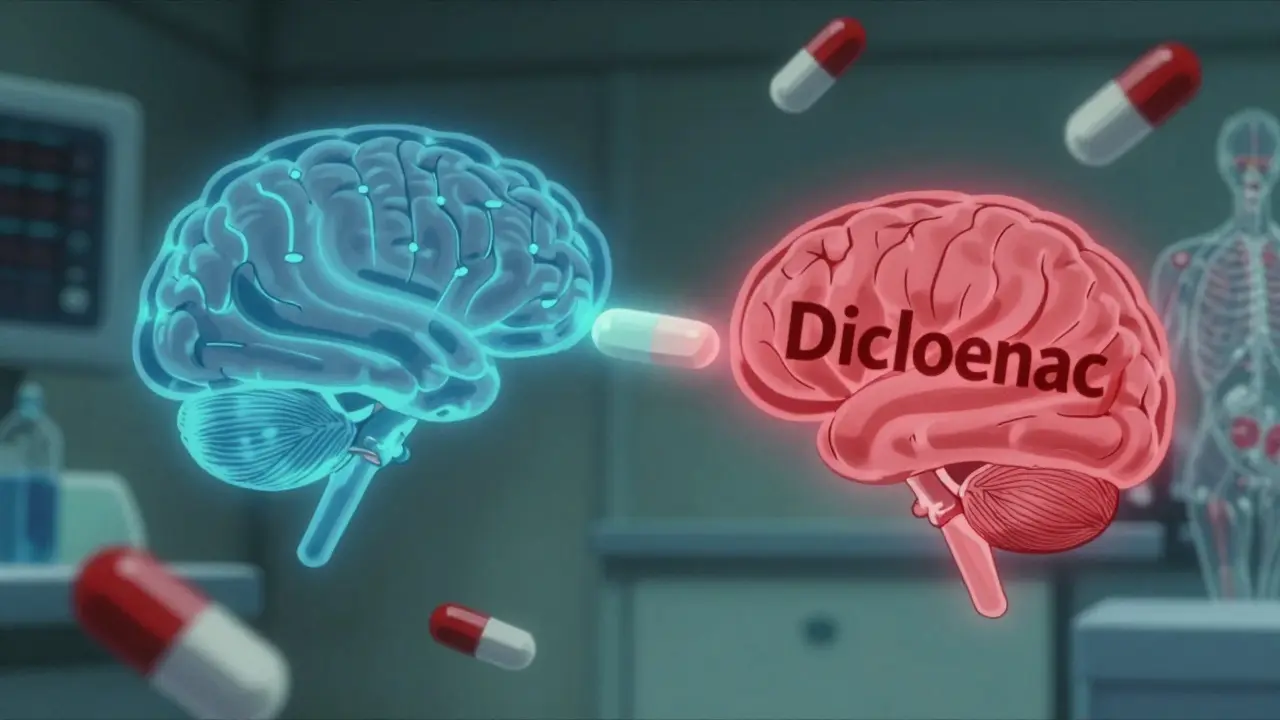
Think of pain like a signal traveling through your body. One drug might block the signal at the injury site - like diclofenac, an NSAID that reduces swelling. Another might calm the signal in your brain - like tramadol, which affects how your nerves send pain messages. Together, they hit pain from two angles. That's called multimodal analgesia. And studies show it often gives better relief than either drug alone.
You don't need a special prescription to find these. Many are available over the counter or with a simple script. Here are the most common ones you'll actually see in pharmacies:
These aren't theoretical. They're approved by the FDA, EMA, and ANVISA. In the U.S. alone, there are 37 generic versions of tramadol/acetaminophen listed in the FDA Orange Book as of late 2023. Generic manufacturers like Teva, Mylan, and Sun Pharma produce them - making them affordable.
It’s not magic. It’s science. When you combine drugs that work in different ways, you get what’s called a dose-sparing effect. That means you can use less of each drug to get the same or better pain relief.
For example, if you take 100 mg of tramadol alone, you might get decent pain control - but also feel dizzy or nauseous. Now, take 75 mg tramadol + 25 mg dexketoprofen. You get just as much relief, but with fewer side effects. Why? Because dexketoprofen handles the inflammation, so tramadol doesn’t have to do all the work.
One study on wisdom tooth removal found that patients taking acetaminophen and ibuprofen together needed rescue pain meds half as often as those taking either drug alone. And fewer people had bad reactions. That’s the kind of data that changes how doctors prescribe.

These pills are designed for acute pain. That means sudden, short-term pain: after surgery, a sports injury, a bad tooth, or a flare-up of arthritis. They’re not meant for long-term daily use.
Here’s what they’re good for:
They’re not meant for:
Why? Because these combos come with risks. If you’re already taking Tylenol for a headache and then take a tramadol/acetaminophen pill, you could accidentally overdose on acetaminophen. That’s dangerous. The max safe daily dose is 4,000 mg. Many people don’t realize how easily they can hit that.
These drugs work - but they’re not side-effect free. The most common complaints across studies and patient reviews:
One survey of 287 users on Drugs.com gave Ultracet a 6.2/10 rating. People loved how well it worked for dental pain - but nearly 3 out of 10 mentioned nausea as a dealbreaker.
And then there’s the opioid concern. Tramadol is an opioid-like drug. While it’s less addictive than morphine, it still carries risk. The CDC found that 17% of tramadol-containing prescriptions in 2022 showed signs of misuse - like taking more than prescribed or using it without a clear medical reason.
That’s why doctors are being more careful. In the U.S., only 48% of hospitals routinely use these combos. In Europe, it’s 63%. Why? Because European guidelines are stricter about patient screening.
If your doctor suggests one of these combos, here’s what you should ask:
Many patients say they didn’t realize how easy it is to overdose on acetaminophen. The FDA’s "Know Your Dose" campaign found that 22% of medication errors in 2022 involved accidental overdose from combination products.
The field is moving fast. In September 2023, Brazil approved new generic tramadol/diclofenac tablets after proving they work just like the brand-name version. In January 2024, the FDA released draft guidance for new abuse-deterrent versions of opioid/NSAID combos - meaning future pills might be harder to crush or misuse.
Biggest shift? The WHO added tramadol/acetaminophen to its Model List of Essential Medicines for Acute Pain in July 2023. That’s a big deal. It means the global health community now recognizes this combo as a vital, affordable tool for hospitals and clinics worldwide.
Analysts predict the market will grow 6.8% per year through 2028. But the real win isn’t profit - it’s better pain control with fewer pills. Fewer pills mean fewer mistakes. Fewer mistakes mean safer care.
Generic fixed-dose combinations aren’t perfect. But for the right person with the right pain, they’re one of the most effective tools we have. They reduce pill burden, improve compliance, and often deliver better relief than single drugs.
The key is using them wisely. Don’t grab them because they sound strong. Don’t take them longer than needed. Don’t mix them with other painkillers without checking. Talk to your pharmacist. Read the label. Know what’s in each pill.
Pain doesn’t have to be a battle you fight alone. Sometimes, the best way to win is to team up two good soldiers - not one.
Yes. Generic fixed-dose combinations must meet strict bioequivalence standards set by the FDA, EMA, and other regulators. That means they deliver the same amount of active ingredients into your bloodstream at the same rate as the brand-name version. A study in Brazil showed the generic tramadol/diclofenac combo had identical absorption rates to the original. The only differences are in inactive ingredients like fillers or coatings - which don’t affect how well the medicine works.
It depends. Tramadol can interact with certain antidepressants, especially SSRIs and SNRIs like sertraline or venlafaxine. This can raise the risk of serotonin syndrome - a rare but dangerous condition causing high fever, confusion, and rapid heart rate. If you’re on an antidepressant, talk to your doctor before taking any tramadol-containing combo. They may adjust your dose or choose a non-opioid alternative like acetaminophen/ibuprofen.
Several reasons. First, some doctors are cautious about prescribing opioids, even weak ones like tramadol. Second, U.S. prescribing habits still favor single-agent therapy. Third, insurance plans sometimes don’t cover FDCs if a cheaper single drug is available - even if the combo works better. Finally, patient awareness is low. Many don’t know these combos exist or how they work.
No, unless directed by a doctor. Long-term use of NSAIDs like ibuprofen can cause stomach bleeding, kidney damage, or high blood pressure. Acetaminophen, even at normal doses, can harm the liver over time - especially if you drink alcohol or have liver disease. These combos are designed for short-term use. If pain lasts longer than 5 days, see a doctor. You may need a different treatment.
Call poison control immediately. If the pill contains acetaminophen, you risk liver damage - even if you feel fine. Symptoms can take 24-48 hours to appear. If it contains tramadol, you could have seizures, slowed breathing, or loss of consciousness. Do not wait for symptoms. Keep the pill bottle handy when you call. In the U.S., dial 1-800-222-1222. In the UK, call 111. Time matters.

I swear, this post is basically a love letter to pharmaceutical companies. You make it sound like these combos are magic bullets, but let’s be real - they’re just cheaper ways to get people hooked on opioids under the guise of "efficiency." And don’t even get me started on how often people double up without realizing they’re already taking acetaminophen in their cold medicine. I’ve seen friends end up in the ER because they thought "two pills can’t hurt." It’s not science - it’s salesmanship dressed up as medical advice.

You speak of multimodal analgesia... but have you considered the epistemological framework of pain itself? Is pain merely a physiological signal-or is it a metaphysical rupture in the human condition? The reduction of suffering to pharmacological synergy... it’s a Cartesian illusion. We treat the symptom, not the soul’s cry. And yet, here we are, prescribing pills like prayers. Diclofenac and tramadol-two names, one salvation? Or just another altar to the temple of modern medicine?

Oh honey, you’re telling me this is a game-changer? Sweetie, I’ve been on this combo for three years after my hip replacement. I’m not saying it’s perfect-but it’s the only thing that lets me walk without crying. And yes, I know about the acetaminophen limit. I keep a little chart. I even have a reminder on my phone. This isn’t magic. It’s just… smart. And if you’re too scared to use it because of fear-mongering headlines, maybe you should ask yourself: who’s really being irresponsible here?

The whole thing feels like a corporate scam. Tramadol is basically a weak opioid with a side of anxiety. Diclofenac? That’s just naproxen with a fancy name. Why not just take two pills? Because the pharma bros want you to buy one box instead of two. And don’t get me started on how they slap "generic" on it like it’s a badge of honor. It’s the same damn pills. Same active ingredients. Same side effects. Just cheaper packaging. I call it placebo capitalism.

From a clinical pharmacology standpoint, fixed-dose combinations represent a paradigm shift in acute pain management. The synergistic pharmacokinetic profile allows for enhanced bioavailability and reduced interpatient variability. Moreover, adherence improves significantly due to simplified regimens. Data from the Indian Journal of Pain Medicine (2022) corroborates a 41% reduction in rescue analgesic usage with tramadol-acetaminophen FDCs compared to monotherapy. Regulatory compliance and cost-efficiency make this a rational first-line option in resource-constrained settings.

i took this combo after my wisdom teeth came out and it was like a goddamn miracle. then i got so dizzy i fell over. then i was constipated for a week. then i realized i was also taking tylenol for my headache. so i ended up in the hospital. not because it didnt work. because i was dumb. dont be me.

I’ve used these combos after surgeries and honestly? They saved my life. I was in so much pain I couldn’t sleep, couldn’t move, couldn’t think. This wasn’t about convenience-it was about function. I didn’t need to be "cured." I needed to be able to breathe again. And yeah, I read the label. I checked my meds. I didn’t mix anything. These aren’t dangerous if you treat them with respect. They’re tools. Like a hammer. You don’t blame the hammer when you hit your thumb.

I work in a clinic and I’ve seen too many patients come in with liver enzyme spikes because they didn’t realize they were doubling up on acetaminophen. This post is accurate but needs more emphasis on the risks. People think "generic" means "safe." It doesn’t. It means "same active ingredients." Please, if you’re reading this-write down every pill you take. Keep a list. Show it to your pharmacist. One mistake can change your life.

I’ve been on tramadol/acetaminophen for post-surgical pain after my ACL tear. It worked better than anything else. I didn’t feel high. I just felt… pain-free. Which, honestly? Was a miracle. I’ve talked to 3 other people who’ve used it and they all said the same thing. It’s not for everyone. But for those who need it? It’s a game-changer. Just don’t treat it like candy.

Stop overcomplicating it. Two drugs. One pill. Works better. Fewer pills to take. Less chance you forget one. That’s it. If you’re worried about side effects then don’t take it. But don’t act like you’re saving the world by shaming people who use it properly. Pain is real. So are these meds.

You call this science? I’ve seen people take this combo and act like they’re on vacation. I’ve seen a guy at the gym take it and then bench press like he’s Thor. That’s not pain management. That’s chemical courage. And the WHO endorsing it? Please. They’ve endorsed worse. I’m not saying it doesn’t work-I’m saying we’re normalizing dependency disguised as innovation.

I used this after my knee surgery 😊 honestly? Life saver. My doc said "don’t mix with other meds" so I didn’t. Took it exactly as prescribed. Slept for the first time in 5 nights. Felt human again. 🙏 No drama. Just science. And yeah I read the label. Always do. 💊

I’m a nurse. I’ve seen the good, the bad, and the ugly with these combos. The biggest issue? No one tells patients how to use them. They hand you a script and say "take one every 6 hours." But they don’t explain what’s in it. Or how it interacts with your other meds. Or that your cold medicine has the same ingredient. This post nails the facts-but real change happens when we start talking to patients like humans, not problems to solve.