
When you pick up a generic medication at the counter, it looks almost identical to the brand-name version. Same pill shape, same dosage, maybe just a different color. But behind that simple swap lies a complex regulatory and logistical journey that takes years to complete. Understanding how a generic drug moves from an Abbreviated New Drug Application (ANDA) submission to your local shelf helps explain why prices drop so dramatically and why some generics take longer to appear than others.
ANDA is the specific regulatory pathway established by the Hatch-Waxman Act of 1984 that allows manufacturers to bring generic versions of approved drugs to market without repeating all the original clinical trials. This process is the backbone of affordable healthcare in the United States, enabling over 90% of prescriptions to be filled with generics that cost 80-85% less than their brand counterparts.
An Abbreviated New Drug Application is a specialized filing required by the U.S. Food and Drug Administration for generic drug products to prove they are bioequivalent to the original Reference Listed Drug. Unlike a full New Drug Application (NDA), which requires extensive animal and human clinical trials costing billions of dollars, an ANDA relies on existing safety data. Instead, the manufacturer must demonstrate that their product delivers the active ingredient into the body at the same rate and extent as the original drug.
This distinction is critical for understanding the timeline. A new molecular entity might take 10 to 15 years to reach the market. A generic version, once the patent expires, can typically enter the market in 3 to 5 years. The FDA’s Center for Drug Evaluation and Research (CDER) reviews these applications through the Electronic Submissions Gateway. As of recent reports, the average review time under the Generic Drug User Fee Amendments (GDUFA) is approximately 30 months, though this varies significantly based on the complexity of the drug formulation.
The heart of the ANDA process is the bioequivalence study. This isn't about proving the drug works differently; it's about proving it works *the same*. Manufacturers conduct clinical studies where healthy volunteers receive both the generic and the reference drug in a randomized order. Researchers measure blood plasma levels to ensure the generic meets strict statistical criteria for absorption and elimination.
If the data shows the generic falls outside the acceptable range, the FDA issues a Complete Response Letter. Industry data suggests that nearly 40% of initial submissions face this hurdle, requiring manufacturers to resubmit with corrected data. This iterative process adds months to the timeline but ensures therapeutic equivalence before the drug ever reaches a patient.

Getting FDA approval is often described by industry insiders as only the "first half of the battle." Once the ANDA is approved, the manufacturer must scale production from pilot batches to commercial volumes. This phase typically takes 60 to 120 days. During this period, facilities undergo rigorous quality control checks to ensure consistency across millions of units. Any deviation in manufacturing parameters can delay shipment, as the FDA maintains post-market surveillance to catch potential quality issues early.
Simultaneously, the manufacturer must integrate the new product into the distribution network. Major wholesalers like McKesson, Cardinal Health, and AmerisourceBergen manage the physical movement of drugs from factories to pharmacies. Integrating a new SKU into these systems takes 15 to 30 days. This involves updating inventory management software, setting up warehouse slots, and ensuring cold-chain integrity if applicable. Without this logistical setup, the approved drug remains sitting in a factory, not helping any patient.
Perhaps the most commercially significant step after approval is securing placement on Pharmacy Benefit Manager (PBM) formularies. PBMs act as intermediaries between insurers, pharmacies, and manufacturers. They decide which drugs are covered by insurance plans and at what tier. A generic drug placed on Tier 1 (preferred) sees much faster adoption than one placed on Tier 2 or 3.
| Feature | ANDA (Generic) | NDA (Brand) |
|---|---|---|
| Clinical Trials Required | Bioequivalence Studies Only | Phase I-III Human Trials + Animal Studies |
| Average Development Cost | $2 - $5 Million | $2.6 Billion+ |
| Time to Market | 3 - 5 Years | 10 - 15 Years |
| Primary Goal | Demonstrate Bioequivalence | Demonstrate Safety & Efficacy |
Negotiating with PBMs can take 30 to 90 days. Manufacturers often offer rebates to secure preferred status. If a generic fails to get onto a major PBM's preferred list, patients may still have to pay out-of-pocket or switch back to the brand name due to copay structures. This commercial reality means that even an FDA-approved generic might struggle to gain market share if it doesn't align with payer preferences.
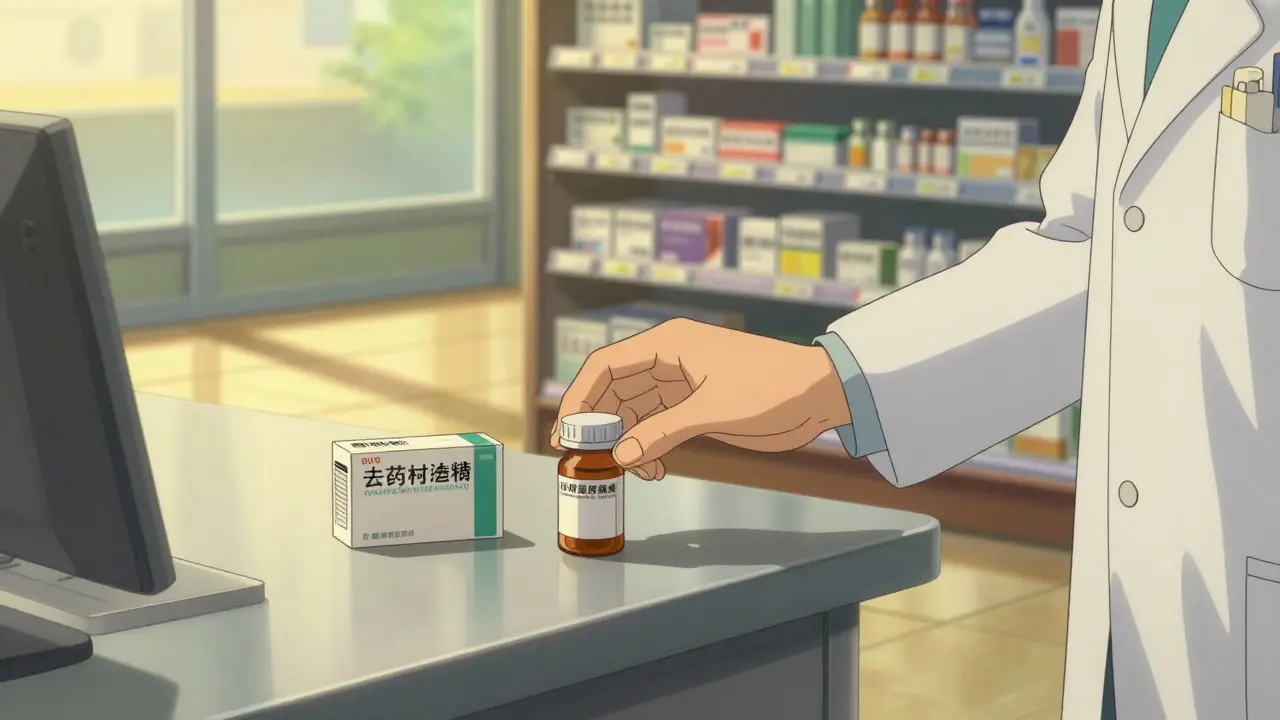
Once the drug is distributed to warehouses, the final step is getting it into the hands of pharmacists. This involves updating pharmacy management systems to recognize the new National Drug Code (NDC). Pharmacists need to know the substitution rules and any specific handling instructions. Typically, this administrative phase takes 7 to 14 days. Staff training is also part of this stage, especially for new therapies where proper administration techniques matter.
The average time from ANDA approval to the first retail dispensing is roughly 112 days. However, this number fluctuates based on the therapeutic category. Cardiovascular generics might hit shelves in 87 days, while complex respiratory products can take up to 145 days due to stricter logistics and device-related components.
The efficiency of this pipeline saves the U.S. healthcare system hundreds of billions annually. In 2022 alone, generic drugs accounted for $124.7 billion in sales, with over 6.3 billion prescriptions dispensed. As patents expire on high-revenue brand drugs, the race to file the first ANDA becomes intense. The first filer gains 180 days of exclusivity, creating a competitive dynamic that drives down prices further as subsequent generics enter the market.
Looking ahead, the FDA is focusing heavily on complex generics and leveraging digital tools to streamline reviews. Artificial intelligence is beginning to play a role in predicting bioequivalence outcomes, potentially reducing preparation times. For now, though, the path from lab bench to retail shelf remains a carefully orchestrated dance of science, regulation, and commerce.
On average, it takes about 112 days from ANDA approval to first retail dispensing. This includes manufacturing scale-up, distribution integration, and pharmacy system updates.
An ANDA is for generic drugs and requires proof of bioequivalence to an existing drug, avoiding full clinical trials. An NDA is for new drugs and requires extensive safety and efficacy testing from scratch.
Pricing depends on competition and PBM formulary placement. The first generic to market has exclusivity, but as more competitors enter, prices drop. Preferred formulary status also influences the net price paid by insurers.
They must be bioequivalent, meaning they deliver the active ingredient similarly. However, inactive ingredients (fillers, dyes) can vary, which might affect sensitive individuals but generally does not impact therapeutic effect.
PBMs determine which generics are covered by insurance plans and at what cost-sharing level. If a generic isn't on a preferred formulary, patients may face higher out-of-pocket costs, slowing its adoption despite FDA approval.