
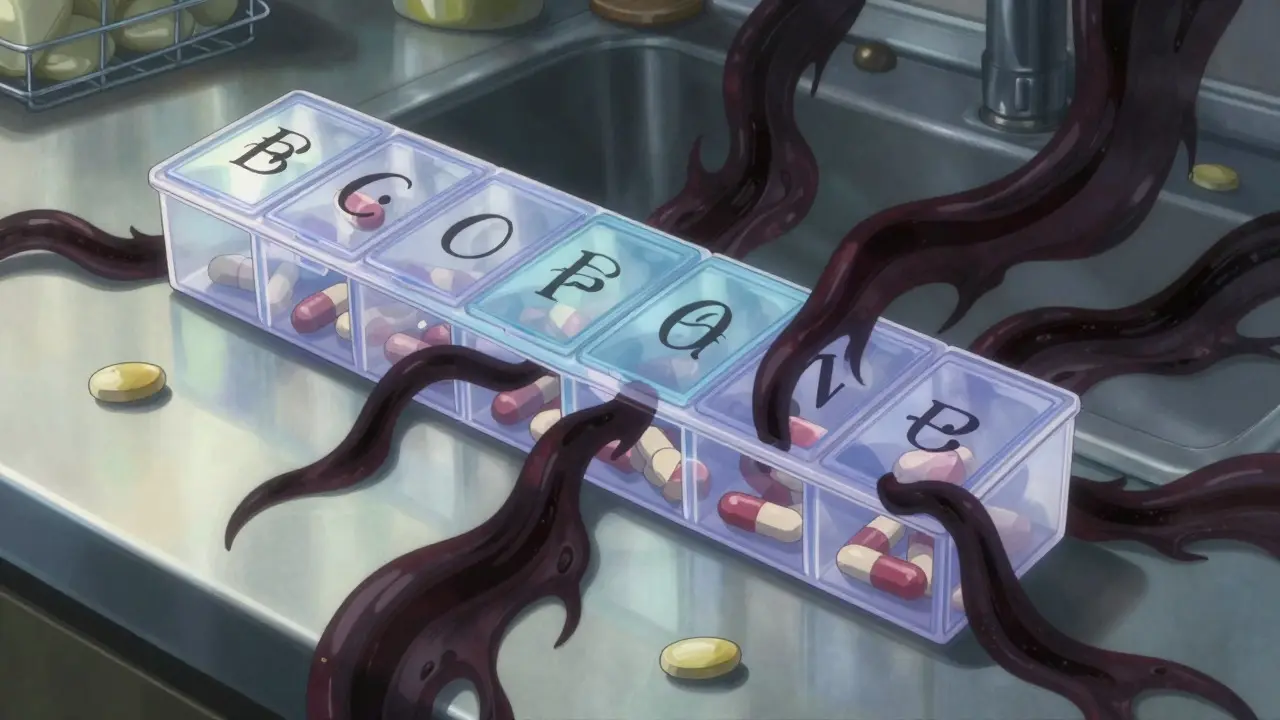
You’ve been there. The pill organizer sits on the counter, half-empty. You skip a dose because you forgot, or maybe you skipped it because the side effects felt worse than the symptoms, or perhaps you just couldn’t afford the refill this month. It feels like a small, private decision. But what if that single missed dose isn’t just an inconvenience? What if it’s quietly setting off a chain reaction that leads to hospitalization, skyrocketing medical bills, or even premature death?
Medication nonadherence-the failure to take medications exactly as prescribed-is not just a personal habit issue; it is a massive public health crisis. According to the World Health Organization, only about 50% of patients with chronic conditions actually take their medications correctly. That means nearly half of all people managing long-term illnesses are fighting with one hand tied behind their backs. The consequences are severe, affecting your body, your wallet, and the healthcare system at large.
When you stop taking medication for a chronic condition, the disease doesn’t just pause. It often rebounds harder. For conditions like hypertension, diabetes, or asthma, consistency is key. Blood pressure needs to stay within a specific range 24/7. Insulin levels need steady management. When you miss doses, your body experiences fluctuations that stress organs over time.
The data is stark. Research published in Frontiers in Pharmacology (2025) reviewed over 410 studies and found that nonadherence is significantly linked to higher mortality rates. In fact, the risk of death due to not taking medication is estimated to be ten times higher than the risk of homicide. For adults over 50, that risk jumps to around 30 times higher. These aren't abstract statistics; they represent real lives lost to preventable complications.
Consider cardiovascular disease. If you skip beta-blockers or statins, plaque can build up faster, increasing the risk of heart attacks and strokes. In organ transplantation, nonadherence is a leading cause of graft rejection, forcing patients back onto transplant lists where wait times can be fatal. Even in mental health, where 59% of individuals report inconsistent medication use, stopping antipsychotics or mood stabilizers can lead to severe relapses, requiring emergency intervention.
| Condition | Primary Risk of Nonadherence | Potential Outcome |
|---|---|---|
| Hypertension | Uncontrolled blood pressure spikes | Stroke, heart attack, kidney damage |
| Diabetes | Blood sugar volatility | Amputation, blindness, nerve damage |
| Asthma/COPD | Inflammation buildup | Emergency room visits, respiratory failure |
| Mental Health | Symptom rebound | Relapse, hospitalization, suicide risk |
It sounds counterintuitive, but skipping medication often costs you more money in the long run. Many people skip pills to save on monthly pharmacy bills. However, the cost of treating a crisis far outweighs the price of prevention. In 2016, the cumulative expense of non-adherence in the United States reached approximately $529 billion. That’s half a trillion dollars wasted on treatable complications.
At the individual level, the burden is heavy. The National Center for Health Statistics reported that out-of-pocket costs for retail drugs rose 4.8% to $63 billion in 2021. When patients can’t afford their prescriptions, they delay care until it becomes an emergency. Emergency room visits and hospital stays are exponentially more expensive than routine primary care and prescription refills. Nonadherence contributes to 10-25% of all hospitalizations annually. For Medicare patients, 20% of readmissions within 30 days are linked directly to not taking medications as prescribed.
Think about it this way: paying $50 a month for insulin keeps you stable. Skipping it might save you $50 today, but a diabetic coma or severe infection could cost thousands in hospital bills, plus lost wages from missing work. The indirect costs include absenteeism and "presenteeism"-showing up to work while too sick to function-which generates €80-125 billion in avoidable costs across the European Union alone.
If the consequences are so dire, why do nearly 67% of Americans struggle with adherence? It’s rarely just laziness. The barriers are complex and multifaceted.
Nonadherence doesn’t affect everyone equally. Certain groups face higher risks due to socioeconomic factors, age, and health literacy.
Older Adults: Seniors often manage multiple chronic conditions, leading to complex medication schedules. Cognitive decline or vision issues can make reading labels and timing doses difficult. ChenMed reports up to 100,000 preventable deaths annually among elderly patients due to nonadherence.
Minority Communities: Disparities are stark. Limited access to primary care, lower health literacy, and historical mistrust contribute to higher nonadherence rates. Integrated medical and pharmacy plans have shown promise in addressing these gaps by providing culturally competent care and better support systems.
Those with Mental Illness: As mentioned, 59% of individuals with mental illness inconsistently take their medication. Stigma, cognitive symptoms of the illness itself, and side effects create a perfect storm for nonadherence.
Improving adherence isn’t just about willpower. It requires practical tools and systemic support. Here are evidence-based strategies that can help.
Fixing medication nonadherence requires more than just telling patients to "do better." It demands a shift in how we deliver healthcare. Experts call for integrated medical-pharmacy plans, value-based payment models that reward outcomes rather than volume, and greater reimbursement for adherence services. Currently, little incentive exists for providers to invest time in adherence counseling because these services are often not reimbursed.
For patients, the message is clear: your health is in your hands, but you don’t have to carry it alone. Communicate openly with your doctor about side effects, costs, and difficulties. Ask questions. Seek help. The goal isn’t perfection-it’s progress. Every dose taken is a step toward better health, lower costs, and a longer life.
Missing a single dose may not cause immediate harm for some medications, but it can disrupt the steady level of drug in your bloodstream needed for effectiveness. For critical medications like insulin or blood thinners, even one missed dose can be dangerous. Always check the label or call your pharmacist for advice on what to do if you miss a dose.
In the United States, nonadherence costs approximately $100 billion to $300 billion annually in direct healthcare expenses. When including indirect costs like lost productivity, the total economic burden is even higher. It contributes to 10-25% of all hospitalizations.
Common reasons include cost, fear of side effects, complex dosing schedules, lack of understanding about the condition, and feeling better so assuming the medication is no longer needed. Systemic issues like poor access to pharmacies or doctors also play a significant role.
Yes. Studies show that mobile text reminders can improve adherence by 12-18%. Smart pill dispensers, apps, and automated refills also help patients stay on track by reducing the cognitive load of remembering doses.
Yes. The risk of death due to medication nonadherence is estimated to be ten times higher than the risk of homicide and significantly higher than many common accidental injuries. It is a leading cause of preventable death and hospitalization.