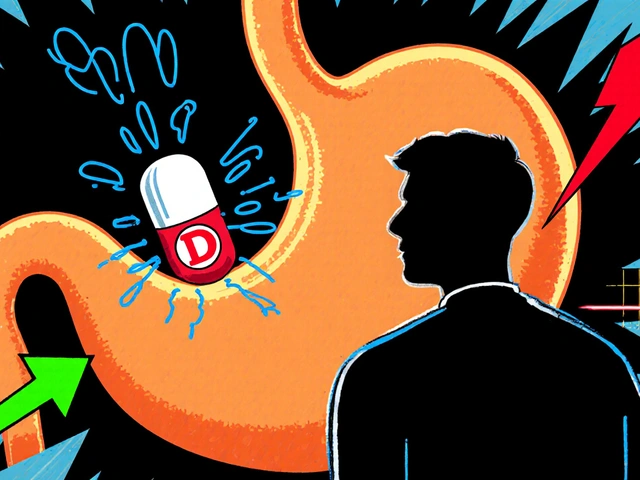
When your immune system goes too far—attacking your own body or rejecting a new organ—immunosuppressants, drugs that lower the body’s immune response to prevent damage. Also known as anti-rejection medications, they’re life-saving for people with transplanted kidneys, hearts, or livers, and for those with conditions like lupus or rheumatoid arthritis. But they’re not harmless. These drugs don’t just calm overactive immunity—they make you more vulnerable to infections, cancers, and other complications. That’s why knowing which ones you’re on, how they interact with other meds, and what side effects to watch for isn’t optional—it’s essential.
Common immunosuppressants, a class of drugs used to reduce immune system activity. Also known as anti-rejection drugs, they include cyclosporine, tacrolimus, mycophenolate, and azathioprine. Each works differently: some block signals between immune cells, others stop cells from multiplying. They’re often used in combinations, which increases the risk of drug interactions, when one medication changes how another works in the body. Also known as medication conflicts, these can lower effectiveness or raise toxicity. For example, grapefruit juice can spike levels of tacrolimus to dangerous levels. Antibiotics like erythromycin can do the same. Even over-the-counter painkillers like NSAIDs can stress your kidneys when paired with these drugs. And because many people on immunosuppressants also take blood pressure meds, antacids, or cholesterol drugs, the chance of a hidden interaction is high.
Side effects aren’t just annoying—they’re serious. Increased risk of skin cancer, kidney damage, high blood pressure, diabetes, and severe infections like pneumonia or tuberculosis are all real possibilities. Some people gain weight, get tremors, or develop hair loss. Others feel constant fatigue. The key isn’t avoiding these drugs—it’s managing them smartly. Regular blood tests, avoiding raw foods that carry bacteria, skipping live vaccines, and telling every doctor you see that you’re on immunosuppressants can make a huge difference. If you’ve ever wondered why your doctor keeps ordering blood work every few weeks, now you know: they’re watching your drug levels and organ function like a hawk.
What you’ll find in the posts below isn’t just a list of drug names. It’s real-world advice from people who’ve lived with these medications, and from experts who know how to balance safety with effectiveness. You’ll learn how to spot early signs of trouble, what to do if you miss a dose, how to talk to your pharmacist about interactions, and why some people need different drugs than others. There’s no one-size-fits-all here. Your treatment depends on your condition, your other health issues, and how your body reacts. This collection gives you the tools to understand your own plan—and ask the right questions when something doesn’t feel right.

Azathioprine is a cost-effective immunosuppressant, but without TPMT and NUDT15 genetic testing, it can cause life-threatening drops in blood cell counts. Learn how testing prevents severe side effects and why it's essential before starting treatment.