When you take more than one medication, your body doesn’t just process them one at a time—it tries to handle them all together, and that’s where drug interactions, when two or more drugs affect each other’s action in the body. Also known as medication clashes, they can make a drug stronger, weaker, or even dangerous. This isn’t rare. Over half of adults over 65 take five or more drugs, and even younger people mixing prescriptions, supplements, or OTC painkillers are at risk.
These interactions happen in your liver, your kidneys, or right in your bloodstream. For example, clopidogrel, a blood thinner used after heart attacks or stents loses its power when taken with certain heartburn meds like omeprazole. That’s not a minor issue—it can lead to a second heart attack. Meanwhile, warfarin, a common blood thinner that needs careful balancing reacts with everything from antibiotics to herbal teas. Even something as simple as grapefruit juice can mess with how your body breaks down dozens of drugs. And if you’ve got comorbidities, existing health conditions like kidney disease or diabetes, your body’s ability to handle these mixtures drops even further. That’s why a drug that’s safe alone might become risky when your health is already fragile.
It’s not just about prescriptions. Supplements, vitamins, and even over-the-counter cold meds can trigger serious reactions. Some people don’t realize that their daily magnesium pill or St. John’s wort is interfering with their antidepressant. Others take painkillers like Toradol or ibuprofen without knowing they’re raising their risk of bleeding or kidney damage when combined with blood pressure drugs. The real danger? These problems often show up slowly—fatigue, dizziness, mood shifts, or unexplained bruising—so you might blame stress, aging, or bad sleep instead of your meds.
What you’ll find below are real, practical stories from people who’ve been there: how a simple switch from omeprazole to pantoprazole saved someone’s heart, why restless legs weren’t restless legs at all but a side effect of an antipsychotic, and how restarting an opioid after a break nearly ended in overdose. These aren’t theory pieces. They’re warnings, fixes, and clear choices—written by people who’ve lived it and want you to avoid the same mistakes.
Learn how to create a safe medication schedule that prevents harmful drug interactions. This guide covers the Universal Medication Schedule, tools for adherence, and steps to work with your healthcare team.
Ondansetron and other antiemetics can trigger serotonin syndrome when combined with SSRIs or other serotonergic drugs. Learn the risks, symptoms, and safer alternatives to avoid this dangerous interaction.
Psychiatric medication combinations can improve treatment outcomes, but switching to generic versions carries serious risks-especially for lithium, bupropion, and venlafaxine. Learn why small bioequivalence differences can trigger relapse, hospitalization, and treatment failure.
Birth control pills are 93% effective with typical use, but their success depends on daily consistency. Learn how they work, common side effects, dangerous drug interactions, and what to do if you miss a dose.
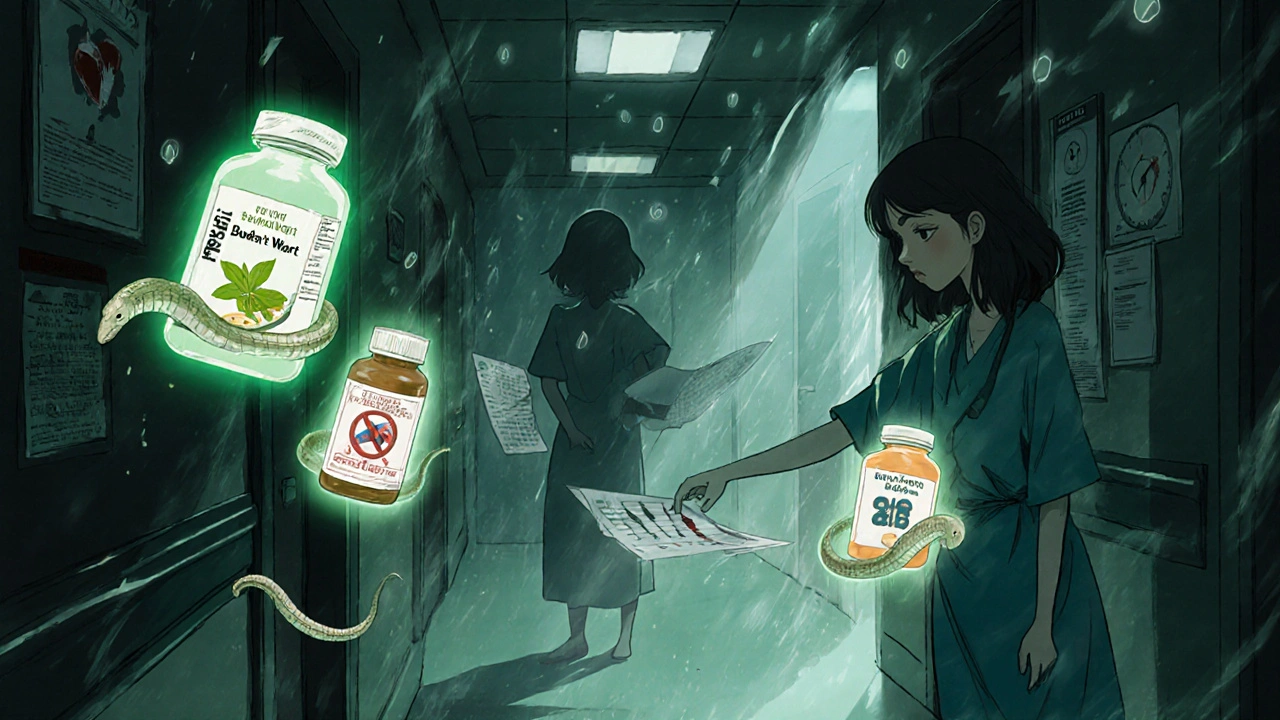
Natural products aren't inherently safer than pharmaceuticals. Many herbal supplements interact dangerously with prescription drugs, yet are sold with little oversight. Learn the real risks and how to protect yourself.