This tool compares the outcomes of a standard infection versus a drug-resistant one based on statistics from the GRAM Project and CDC.
Chance of permanent complications
Select an option to see risks.
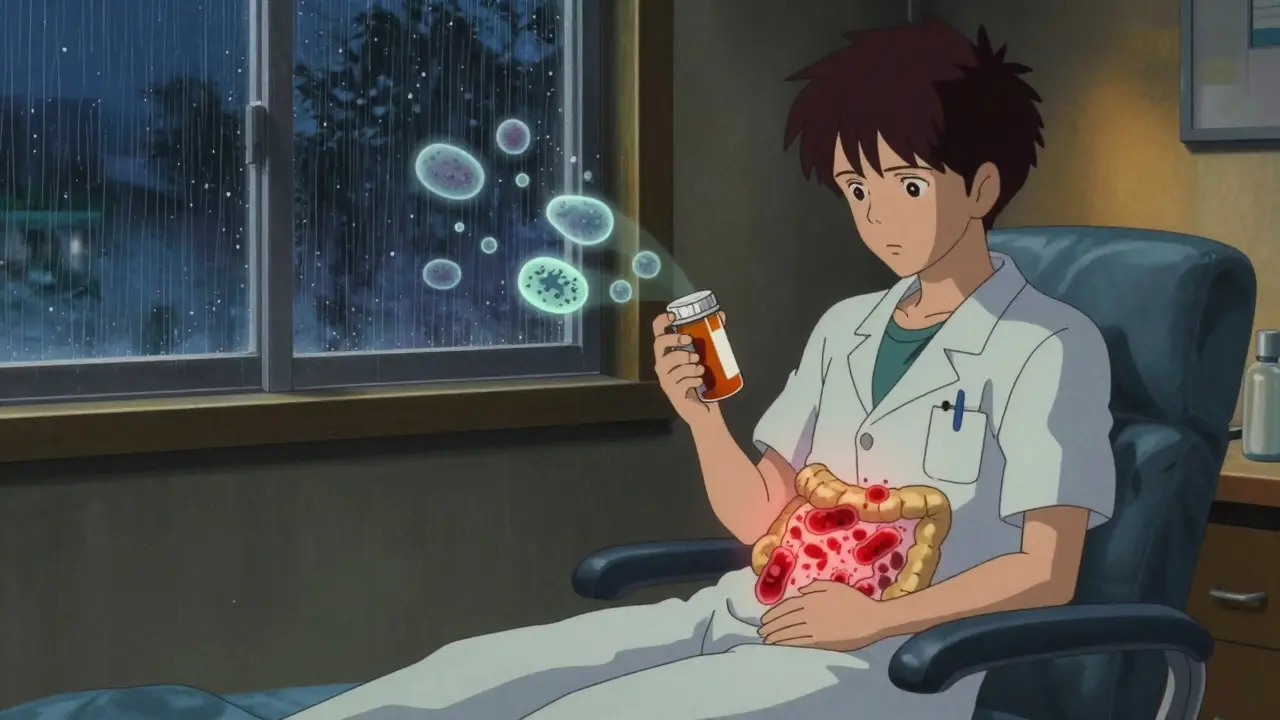
Imagine a world where a simple scratch or a routine surgery could kill you. It sounds like science fiction, but we are dangerously close to that reality. This isn't just a distant threat; it is happening right now in hospitals and communities worldwide. The core issue? Antimicrobial resistance, commonly known as AMR. When bacteria evolve to survive the drugs designed to kill them, our medical toolkit empties out. You might think taking antibiotics for every cold or finishing a course incorrectly is a minor mistake. In reality, these actions fuel a biological arms race that leaves us with fewer options when we truly need them.
The World Health Organization (WHO) calls this crisis a "silent pandemic." Why silent? Because unlike a virus that spreads visibly through coughs and sneezes, resistance builds quietly inside your body and in the environment. It happens when bacteria change their structure so antibiotics can no longer attach to them. This process is driven by one main factor: repeated exposure to antibiotics.
Every time you take an antibiotic, you aren't just killing the bad bacteria causing your infection. You are also stressing out the good bacteria and any bystander microbes. Under this pressure, some bacteria mutate or swap genes with neighbors-a process called horizontal gene transfer-to develop shields against the drug. If you stop the medication early, the strongest survivors remain. They multiply, passing on those resistance traits. Soon, you have a population of bacteria that laughs at standard treatments.
| Metric | Data Point | Source/Context |
|---|---|---|
| Annual Deaths | At least 1 million | GRAM Project (since 1990) |
| CRE Surge (US) | 460% increase | CDC (2019-2023) |
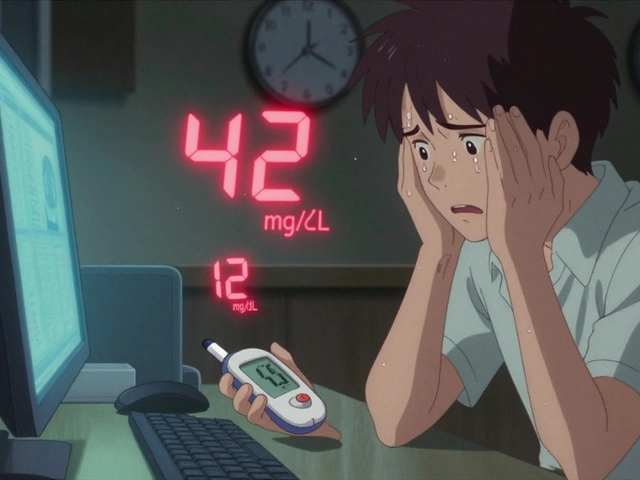
| E. coli Resistance | 42% median rate | WHO GLASS Report (76 countries) |
| Future Projection | 10 million deaths/year | By 2050 if unchecked |
Not all resistant bacteria are created equal. Some are merely annoying, while others are deadly threats. Understanding which ones matter helps you grasp the severity of the situation.
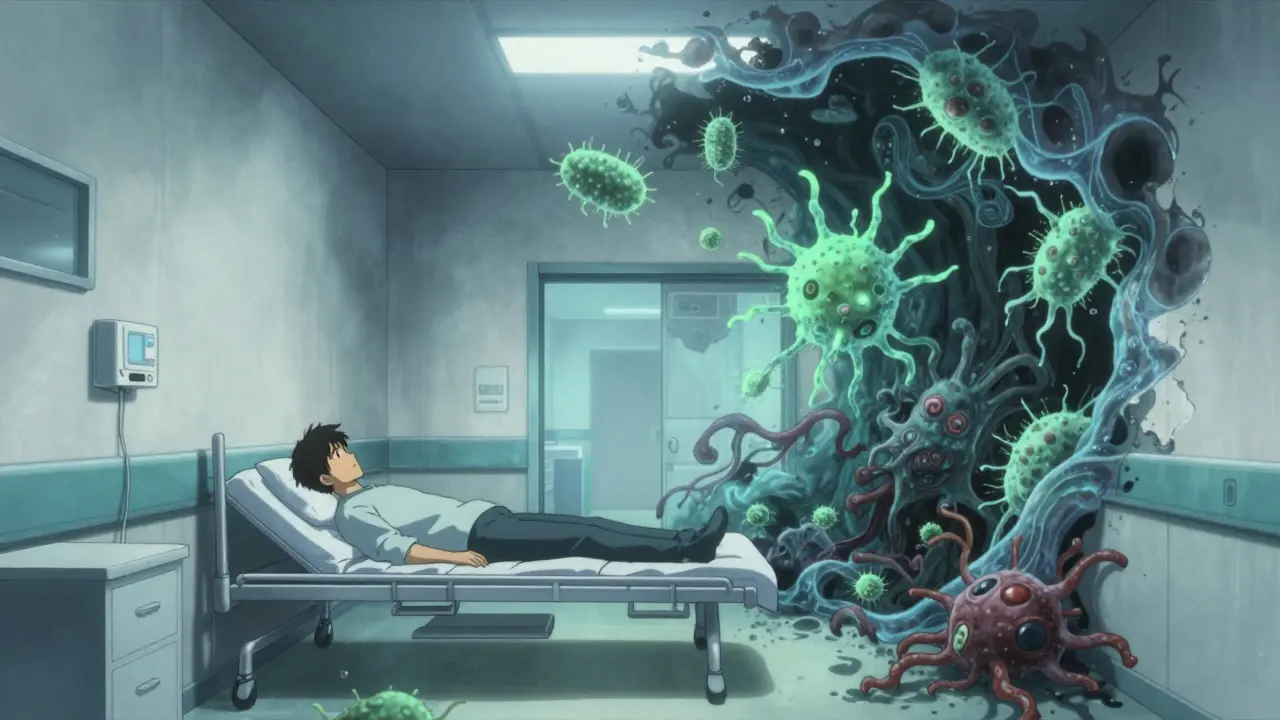
Carbapenem-resistant Enterobacterales (CRE), particularly those producing New Delhi Metallo-beta-lactamase (NDM), are currently among the most dangerous. These are often called "nightmare bacteria" because few drugs work against them. In the United States, infections from NDM-producing CRE surged by 460% between 2019 and 2023. For bloodstream infections caused by these bugs, mortality rates hover between 40% and 50%. That means nearly half of the people who get infected die, even with intensive care.
Another well-known player is Methicillin-resistant Staphylococcus aureus (MRSA). While MRSA has been around for decades, it remains a serious concern, especially in healthcare settings and among athletes who share equipment. However, thanks to better hygiene and stewardship programs, its growth has stabilized in some regions compared to the explosive rise of CRE.
Then there is Klebsiella pneumoniae. Normally found in the gut, it can cause severe pneumonia, bloodstream infections, and meningitis. It has developed high levels of resistance to critical antibiotics, forcing doctors to use last-resort drugs like carbapenems. But now, even those last resorts are failing. The OECD projects that resistance to these final-line antibiotics will double by 2035 compared to 2005 levels.
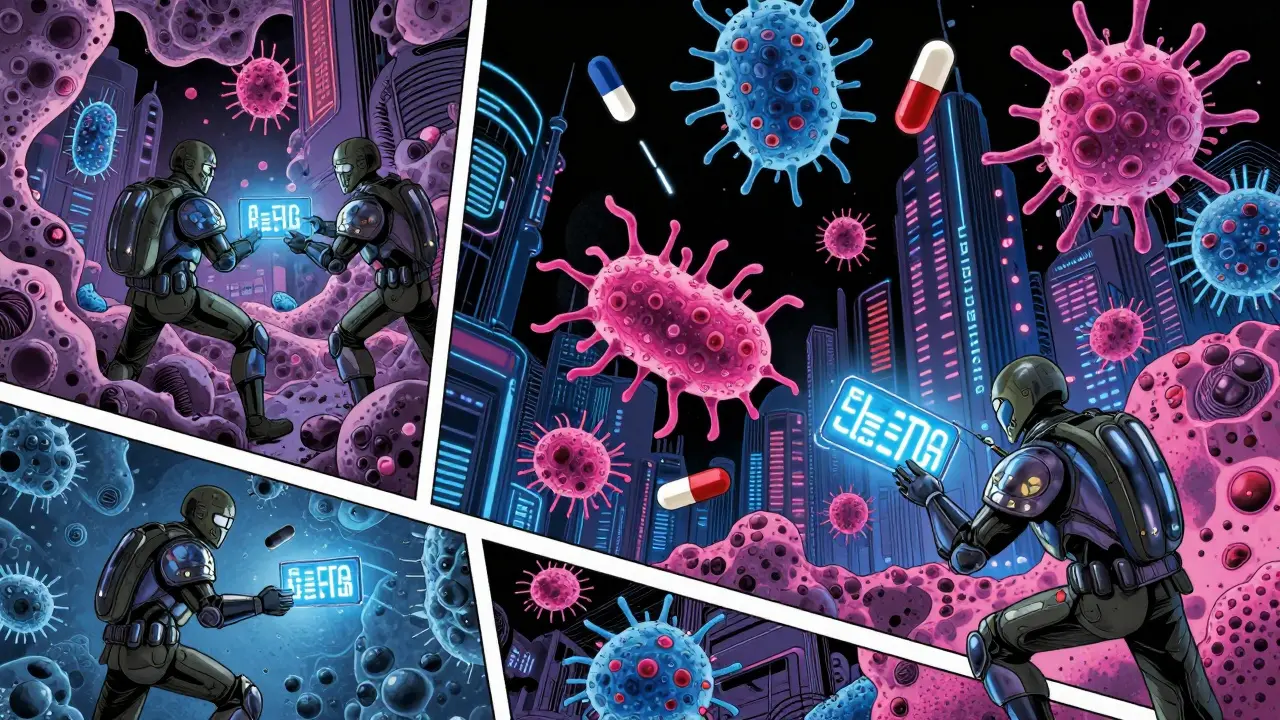
What does this mean for you personally? The immediate effect is a failed treatment. But the long-term consequences are far more damaging.
Prolonged Illness and Hospitalization: When the first antibiotic doesn't work, you don't just switch pills instantly. Doctors must run tests to find what works. A 2024 survey by the AMR Industry Alliance found that patients with resistant infections experienced treatment delays averaging 9.3 days. During this time, the infection spreads. Consequently, hospital stays jump significantly. Patients with susceptible infections stay an average of 5.2 days, while those with resistant strains stay 14.7 days.
Permanent Health Complications: Delayed effective treatment increases the risk of permanent damage. Nearly 30% of patients with resistant infections reported lasting health issues. These can range from chronic pain and organ damage to disability. Imagine recovering from hip surgery only to battle MRSA for six months, requiring three additional operations and trying 11 different antibiotic regimens. This isn't hypothetical; it's a real story shared by a UK patient on forums in early 2025. The emotional toll alone-knowing conventional treatments might fail-is described as worse than the physical pain.
Higher Costs: Drug-resistant infections are expensive. Treating a single case of extensively drug-resistant Pseudomonas aeruginosa in a cystic fibrosis patient can cost over $1.2 million in hospital expenses. These costs ripple through the healthcare system, raising insurance premiums and straining public health budgets.
You might wonder why pharmaceutical companies don't just invent new antibiotics. The truth is, they tried, but the economics don't work. Antibiotics are meant to be used sparingly and for short periods. Vaccines, on the other hand, are taken annually or repeatedly. From a business perspective, developing a new antibiotic is a financial trap.
A 2023 analysis by the Boston Consulting Group revealed that developers recover only $0.20 for every $1 invested in new antibiotics. As a result, seven of the fifteen major pharmaceutical companies that produced antibiotics in 1990 have completely exited the market. Today, there are only 39 antibiotics in clinical development globally, with just eight representing novel classes. Compare this to the 1980s, when over 100 new antibiotics were approved annually. Professor Laura Piddock, a microbiologist at the University of Birmingham, noted that the pipeline of new antibiotics has slowed to a trickle since the 1980s, with only two new classes discovered in the last 40 years.
While governments and scientists work on solutions, you play a crucial role. Here is how you can help slow the spread of resistance.
It’s not all doom and gloom. New strategies are emerging. In January 2025, the FDA approved cefepime-taniborbactam, the first new antibiotic specifically targeting NDM-CRE infections. It showed an 89.3% clinical success rate in phase 3 trials. This gives doctors a new weapon against one of the deadliest superbugs.
Policy changes are also underway. The PASTEUR Act, introduced in the US Congress in March 2024, proposes a subscription model. Instead of paying per pill, governments would pay companies a fixed fee to make the drug available. This delinks revenue from volume sold, encouraging innovation without promoting overuse. Projections suggest this could increase the antibiotic pipeline by 300% over ten years.
Internationally, countries adopting "One Health" approaches-addressing human, animal, and environmental health together-are seeing results. Sweden's Strama program, running since 1995, achieved a 28% reduction in antibiotic use and a 33% reduction in resistance rates. It proves that coordinated action works.
Yes. Antibiotics are widely used in livestock farming to promote growth and prevent disease. This creates resistant bacteria in animals, which can transfer to humans through contaminated meat or direct contact. Washing produce thoroughly and cooking meat to safe temperatures reduces this risk.
Individual bacteria do not "unlearn" resistance easily. However, populations of bacteria can become less resistant if the selective pressure (antibiotic use) is removed for a long time. Reducing unnecessary antibiotic use allows sensitive bacteria to outcompete resistant ones, lowering overall resistance rates in a community.
Contact your doctor immediately. Do not wait until the course is finished. They may need to order cultures to identify the specific bacteria and test which antibiotics will work. Never buy leftover antibiotics from friends or family, as they may not be suitable for your infection and could contribute to resistance.
For bacterial infections, natural remedies are generally not sufficient to replace antibiotics. Relying on them instead of prescribed medication can allow the infection to worsen and increase the risk of complications. Always consult a healthcare provider before substituting medical treatment with home remedies.
The COVID-19 pandemic erased a decade of progress in reducing resistant infections. Hospitals faced overwhelming demand, leading to increased antibiotic use for secondary bacterial infections. Additionally, disruptions in supply chains and surveillance systems made it harder to track and manage resistance trends, resulting in a 78% increase in CRE infections during the 2020-2022 period.