When your ruptured eardrum, a tear or hole in the thin tissue separating your ear canal from your middle ear happens, it’s usually sudden—loud noise, pressure change, or an infection gone wrong. Most people panic, but the good news? Over 90% of these tears heal on their own in a few weeks without surgery. You don’t need to rush into procedures. Your body is built to fix this. What you do next matters more than you think.
What causes it? Common triggers include ear infections that build pressure, inserting cotton swabs too deep, sudden loud sounds like explosions or gunshots, or even flying with a bad cold. The middle ear infection, a buildup of fluid and bacteria behind the eardrum is the most frequent culprit. If you’ve had recurring earaches, especially with fever or drainage, that’s often the warning sign. And if you feel sudden sharp pain followed by silence—that’s your eardrum giving out. It’s not always painful after it ruptures. Sometimes the pain disappears because pressure is released. Don’t mistake that for being better.
Healing time? Most perforated eardrum, another term for a ruptured eardrum repairs itself in 6 to 8 weeks. Smaller holes close faster. Bigger ones might take longer, but surgery is rare unless it doesn’t heal after 3 months or you keep getting infections. You don’t need antibiotics just because it’s torn. Antibiotics only help if there’s an active infection. If your ear is draining pus or you have a fever, then yes—see a doctor. If it’s just clear fluid or nothing at all, keep it dry and wait. No alcohol drops. No hydrogen peroxide. No DIY remedies. Water in the ear is the real enemy. Shower with cotton balls lightly tucked in. No swimming. No blowing your nose hard. Even sneezing with your mouth closed can push pressure into your ear and slow healing.
Some people think hearing loss from a ruptured eardrum means permanent damage. Not true. Hearing usually returns as the eardrum heals. Tinnitus (ringing) might stick around for a bit, but it fades. If your hearing doesn’t improve after 2 months, or if you feel dizzy, that’s when you need imaging or an ear specialist. Most family doctors can handle the basics. You don’t need a specialist unless things stall.
What about pain? Over-the-counter painkillers like ibuprofen or acetaminophen are fine. Avoid aspirin if you’re bleeding or have other health issues. Heat packs on the outside of your ear can ease discomfort. Don’t put anything inside. No oil, no garlic, no onion juice—those myths don’t help. They just risk infection.
There’s a big difference between a simple tear and a complication. If you’ve had trauma, like a blow to the head or a car accident, or if you’re diabetic or have a weakened immune system, healing takes longer. Your body needs more help. In those cases, your doctor might suggest a patch or minor procedure. But for most people? Patience and cleanliness are the real treatments.
Below, you’ll find real stories and practical advice from people who’ve been through this—how they managed pain, what they did wrong, what actually worked, and how to avoid the mistakes that delay healing. No fluff. No guesswork. Just what you need to know to let your ear heal right.
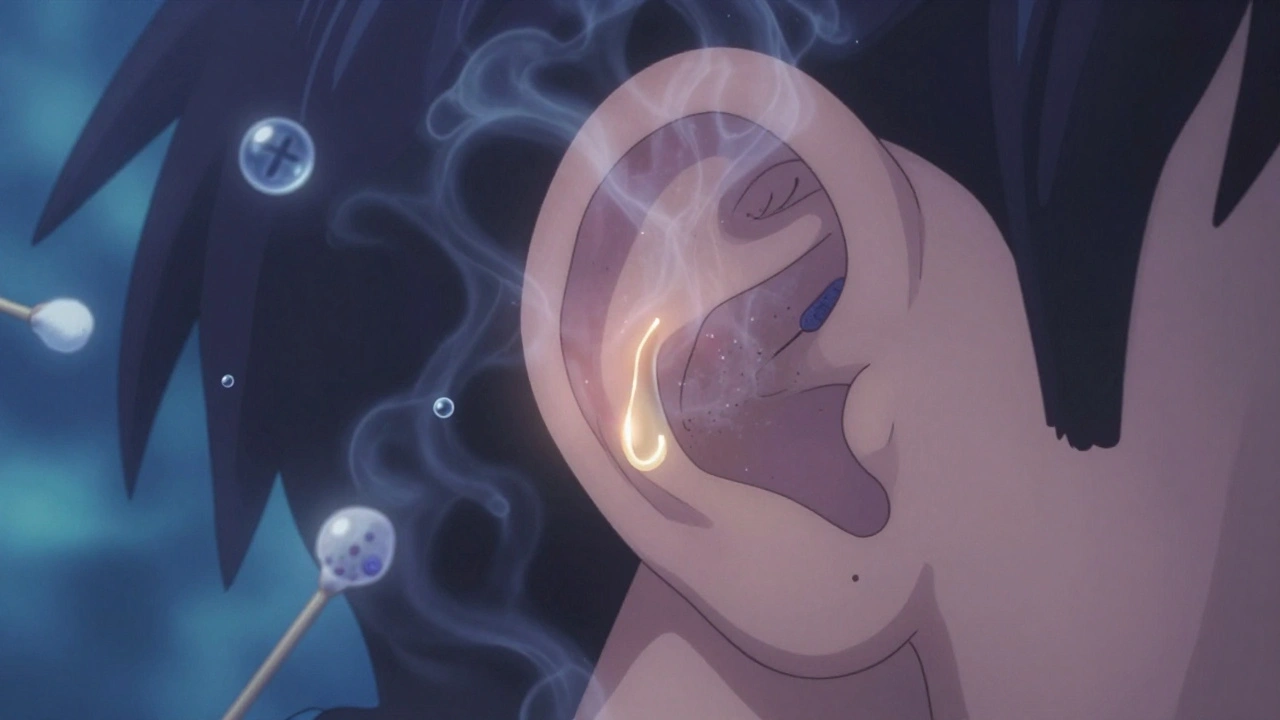
A perforated eardrum can heal on its own in weeks, but only if you protect it from water, pressure, and infection. Learn realistic timelines, what to avoid, and when to see a doctor.