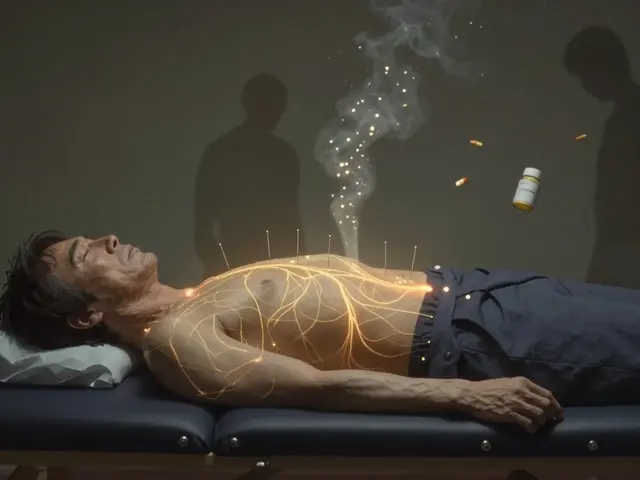
When a drug makes you feel like you can’t sit still—like your legs are buzzing, your mind is racing, and you keep pacing even when you’re exhausted—that’s medication-induced akathisia, a movement disorder triggered by certain medications, often antipsychotics or antidepressants. It’s not anxiety. It’s not restlessness you can just "get over." It’s a physical reaction your nervous system has to the drug, and it can be severe enough to make people stop taking life-saving medicine. Many mistake it for worsening depression or ADHD, but it’s a distinct side effect tied to dopamine blockade in the brain. People describe it as an inner trembling, a feeling that their bones are crawling, or like they’re wired to move even when they’re exhausted.
This isn’t rare. Studies show up to 25% of people on antipsychotics like risperidone or haloperidol develop it, and even SSRIs like sertraline or fluoxetine can trigger it. antipsychotics, a class of drugs used to treat schizophrenia, bipolar disorder, and severe depression are the biggest culprits, but it can also come from anti-nausea meds like metoclopramide or even some Parkinson’s drugs. restless legs, a separate condition that causes urge to move legs at night gets confused with akathisia, but the timing and feel are different: akathisia hits during the day, feels like full-body tension, and doesn’t go away with movement like restless legs sometimes do.
What makes this dangerous isn’t just the discomfort—it’s what happens when people don’t recognize it. Many stop their meds cold, which can cause withdrawal or relapse. Others get labeled as noncompliant or "hysterical." But the truth is, akathisia can lead to suicidal thoughts, aggression, or hospitalization if ignored. The good news? It’s often reversible. Switching meds, lowering the dose, or adding a beta-blocker like propranolol can help fast. Some people find relief with vitamin B6 or benztropine. But you need to tell your doctor the moment you feel it—not wait, not hope it goes away.
Below, you’ll find real cases and practical guides from people who’ve lived through this. Some explain how they spotted the signs early. Others share what worked when doctors dismissed them. There are comparisons of drugs that are more likely to cause it, and what to ask your pharmacist before starting a new prescription. This isn’t theoretical. These are the tools and stories that help people take back control when a medication turns against them.

Learn how to tell apart medication-induced akathisia and restless legs syndrome, why they’re often misdiagnosed, and what treatments actually work. Stop suffering in silence.