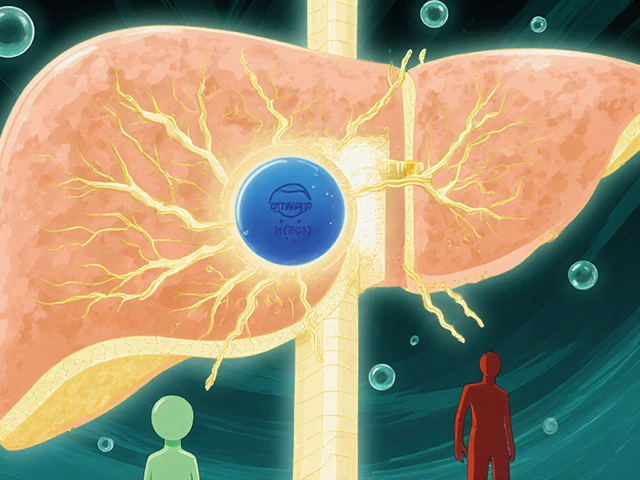
Imagine waking up in a hospital bed, unable to move your left arm or speak clearly. For millions of people worldwide, this is the harsh reality after a stroke. But here is the good news: the brain is not static. It can heal. While the damage from a stroke is real, the journey toward recovery is defined by the brain's incredible ability to rewire itself. This process, known as neuroplasticity, is the engine that drives every successful rehabilitation program.
If you or a loved one has experienced a stroke, you are likely overwhelmed with questions. Will they walk again? Can they speak normally? The answers depend on timing, intensity, and the right therapeutic approach. This guide breaks down exactly how stroke rehabilitation works, what science says about recovery timelines, and the specific therapies that yield the best results.
To understand recovery, you first need to understand the mechanism behind it. Neuroplasticity is the brain's capacity to reorganize its structure, function, and connections in response to learning, experience, or injury. When a stroke damages brain tissue, it doesn't necessarily destroy all hope. According to Dr. Zacharia Isaac, MD, of Brigham and Women's Hospital, when brain tissue is damaged but not destroyed, it can gradually recover function over six months to several years. However, waiting for nature to take its course is not enough. Rehabilitation significantly accelerates this process and enhances the completeness of recovery.
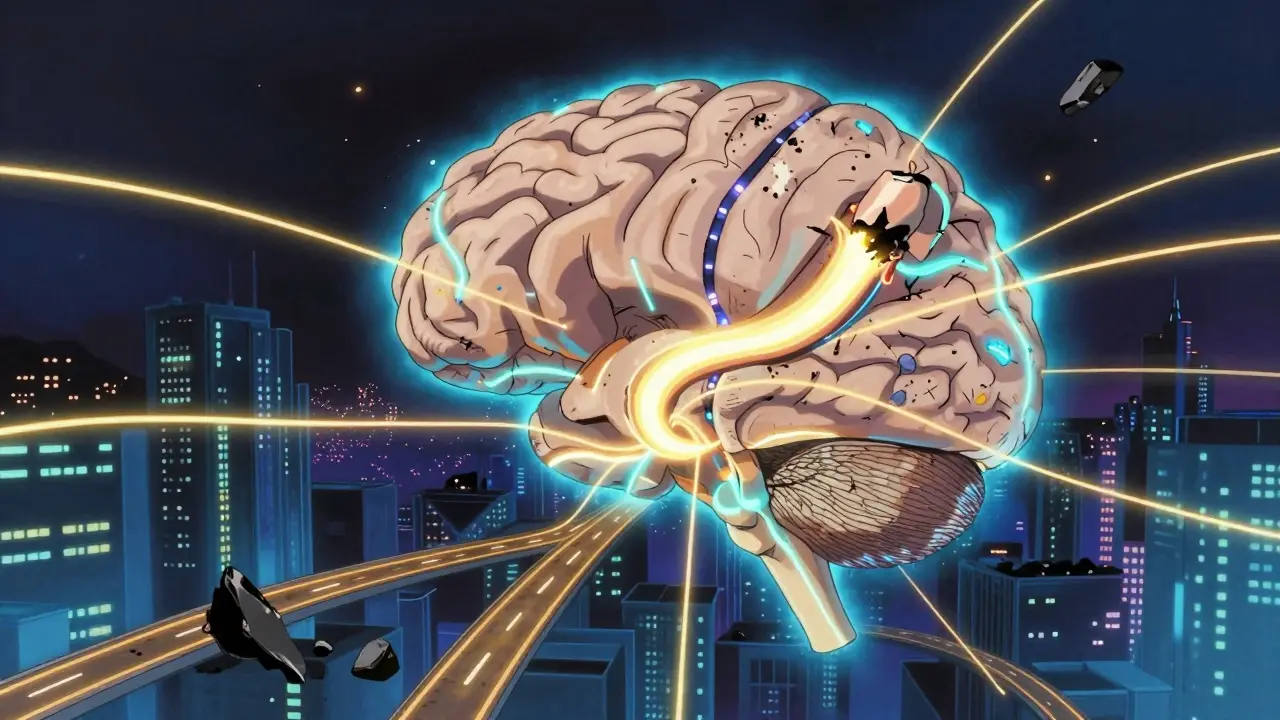
Think of neuroplasticity like rerouting traffic after a road closure. If the main highway (neural pathway) is blocked, the brain learns to use side streets to get to the same destination. Research published in PMC (2023) shows that task-specific training creates measurable positive changes in motor and cognitive brain regions. Functional magnetic resonance imaging (fMRI) studies have captured this cortical reorganization happening within just 2-4 weeks of starting targeted therapy. The key takeaway? Repetition matters. The more you repeat a movement or task, the stronger those new neural pathways become.
Recovery isn't a straight line; it happens in distinct stages. Understanding where you are in this timeline helps set realistic expectations and reduces frustration. The UNC Medical Center identifies three primary phases:
Timing is critical. The Chartered Society of Physiotherapy found that high-intensity stroke recovery exercises initiated within 24 hours post-stroke improve functional outcomes by 35% compared to delayed intervention. Early mobilization, when medically safe, sets the foundation for everything that follows.
Effective rehabilitation requires a multidisciplinary team. The American Stroke Association guidelines emphasize that optimal care involves physicians, nurses, physiatrists, therapists, psychologists, and social workers working together. Here is how the three main therapy types contribute to recovery:
Physical therapists focus on gross motor skills, balance, and mobility. Common techniques include:
While PT focuses on walking and moving, OT focuses on living. Occupational therapists help patients regain independence in Activities of Daily Living (ADLs) such as cooking, grooming, and dressing. They also introduce assistive devices, like ankle braces that stabilize the foot during walking, allowing patients to support their body weight safely.
Strokes often affect communication and swallowing. Speech-language pathologists treat aphasia (difficulty speaking or understanding language) and dysphagia (swallowing difficulties). Swallowing issues can lead to aspiration pneumonia, a serious secondary complication, making SLP assessment vital early in recovery.
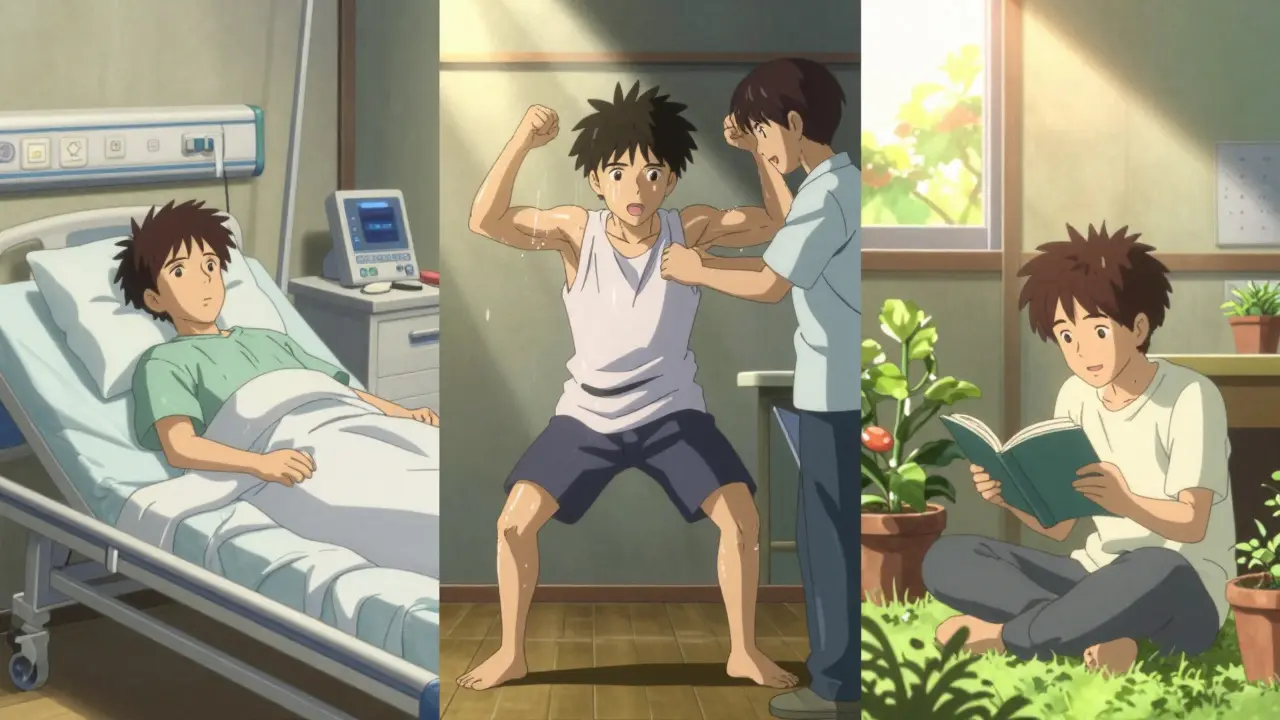
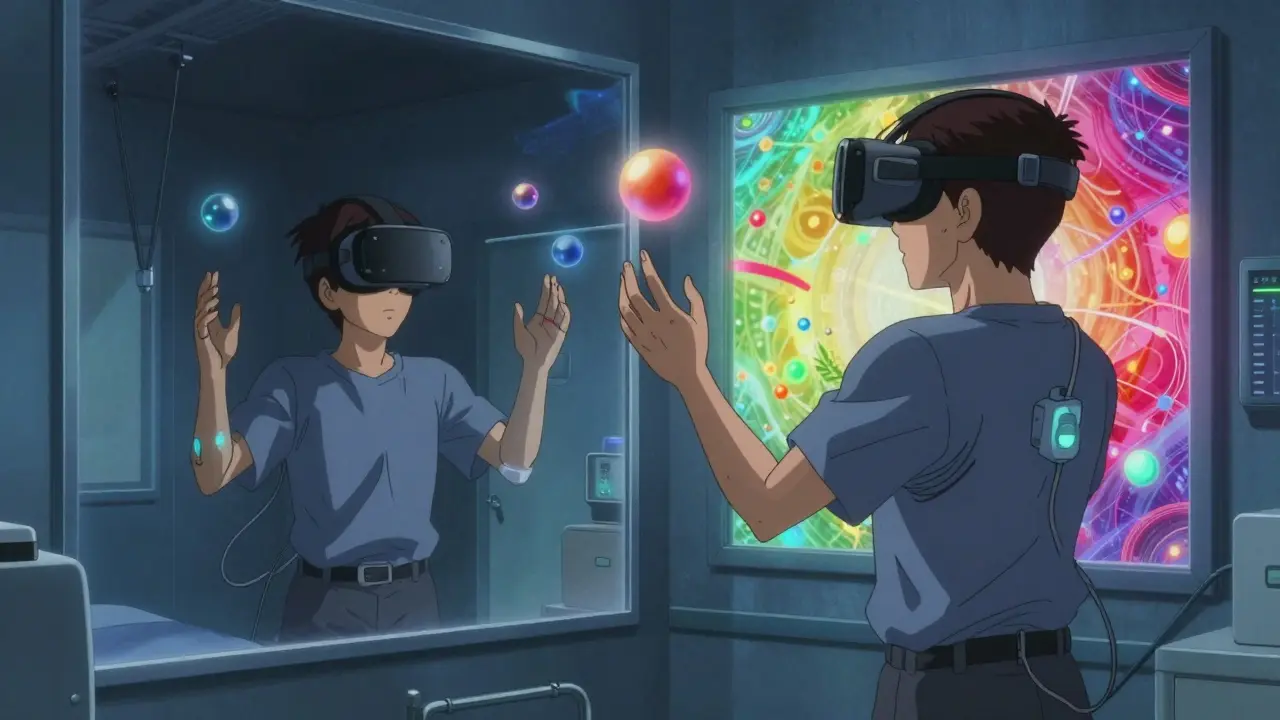
Technology has transformed stroke rehab from passive exercises to active, engaging interventions. These tools provide the high-repetition feedback necessary for neuroplasticity.
| Technology | Function | Documented Benefit |
|---|---|---|
| Functional Electrical Stimulation (FES) | Applies electrical currents to weakened muscles | 25-45% strength gains in wrist/hand function |
| Robotic Gait Training (e.g., Lokomat) | Assists impaired limbs with repetitive walking motions | 50% greater walking speed improvement vs. conventional therapy |
| Virtual Reality (VR) | Simulated environments for upper extremity training | 28% improvement in upper extremity function vs. standard care |
| Wireless Activity Monitors | Tracks daily step counts and movement patterns | Increases daily step counts by 32% |
These technologies are not replacements for human therapists but powerful augmentations. VR, for instance, keeps patients engaged by turning repetitive drills into games, which indirectly boosts motivation-a factor that accounts for up to 40% of variance in rehabilitation outcomes.
One of the most common mistakes families make is underestimating the intensity required for recovery. The American Stroke Association guidelines recommend that medically stable stroke survivors receive three hours of therapy five days per week in an inpatient rehabilitation facility. This is not light exercise; it is rigorous, structured work.
Why so much? Because neuroplasticity requires volume. Just as lifting weights builds muscle only if you lift heavy enough and often enough, rewiring the brain requires high-frequency repetition. For the 60% of stroke survivors who experience balance issues, a structured balance training program is specifically recommended to address fall risk. Dr. Isaac emphasizes that rehabilitation must begin as soon as patients are medically stable to prevent complications like contractures, which occur in 30-50% of untreated cases.
Stroke recovery is not just physical; it is deeply psychological. Depression affects 30-35% of stroke survivors, yet it is often overlooked. Unaddressed depression can severely hinder participation in therapy. Psychologists and social workers play a crucial role in helping patients adjust to life changes, loss of independence, and identity shifts.
Family involvement is another critical variable. Data from Rehab Select (2022) shows that family involvement increases rehabilitation adherence by 37%. Families should be educated on how to support therapy at home-encouraging small wins, maintaining a consistent routine, and avoiding "helplessness" by doing tasks for the patient that they could do themselves with effort.
Patient motivation is perhaps the single most important internal factor. Longitudinal studies suggest motivation accounts for up to 40% of outcome variance. Setting small, realistic goals-such as moving fingers 5 degrees more each week-builds confidence and sustains engagement during the long retraining phase.
Research continues to push the boundaries of what’s possible. Current directions include:
While these innovations are promising, the core principles remain unchanged: early initiation, high intensity, task-specific repetition, and multidisciplinary support.
The duration varies significantly based on severity. Intensive inpatient rehabilitation typically lasts 2-6 weeks. However, the recovery process extends beyond formal therapy. Significant neurological improvements often occur within the first 6 months due to natural healing and neuroplasticity, but continued adaptation and skill refinement can continue for years. Most patients require some form of outpatient or community-based therapy for at least 6-12 months post-stroke.
Full recovery is possible for some, particularly those with minor strokes or those who begin intensive rehabilitation immediately. However, many survivors experience some permanent functional limitations. The goal of rehabilitation is not always "perfect" restoration but maximizing independence and quality of life. Even with residual deficits, most patients can achieve significant functional gains through adaptation and compensatory strategies.
Rehabilitation should begin as soon as the patient is medically stable, often within 24 to 48 hours after the stroke event. Early mobilization prevents complications like muscle atrophy, joint contractures, and deep vein thrombosis. Delaying therapy reduces the window of maximal neuroplasticity, potentially limiting the extent of functional recovery.
Constraint-Induced Movement Therapy (CIMT) forces the use of the affected limb by restraining the unaffected limb for up to 90% of waking hours. This prevents "learned non-use," where patients rely entirely on their stronger side. By forcing repetition with the weak side, CIMT leverages neuroplasticity to strengthen neural pathways controlling that limb. It is most effective for patients with some minimal voluntary movement in the affected arm.
Recent comparative effectiveness research suggests that telerehabilitation achieves approximately 85% equivalence to in-person care for many standard therapeutic interventions. It is particularly valuable for maintenance therapy, education, and monitoring after discharge from acute facilities. However, initial intensive rehabilitation and complex manual therapy techniques often still benefit from in-person supervision.