
Enter your current treatment details to estimate potential impact.
Please enter your details to see your estimated risk level and personalized coping plan.
Did you know that taking a common anti-inflammatory medication could make you feel like a completely different person? If you are currently prescribed Prednisone, a synthetic corticosteroid used to reduce inflammation and suppress the immune system, you might be experiencing sudden bursts of anger, deep sadness, or unexplained anxiety. You are not alone, and more importantly, you are not going crazy. These emotional shifts are a documented, physiological response to the drug, affecting between 18% and 47% of patients according to clinical data.
Understanding why this happens is the first step toward regaining control. This guide breaks down the science behind steroid-induced mood changes, helps you recognize the warning signs early, and provides practical, evidence-based strategies to manage these symptoms while you heal from your underlying condition.
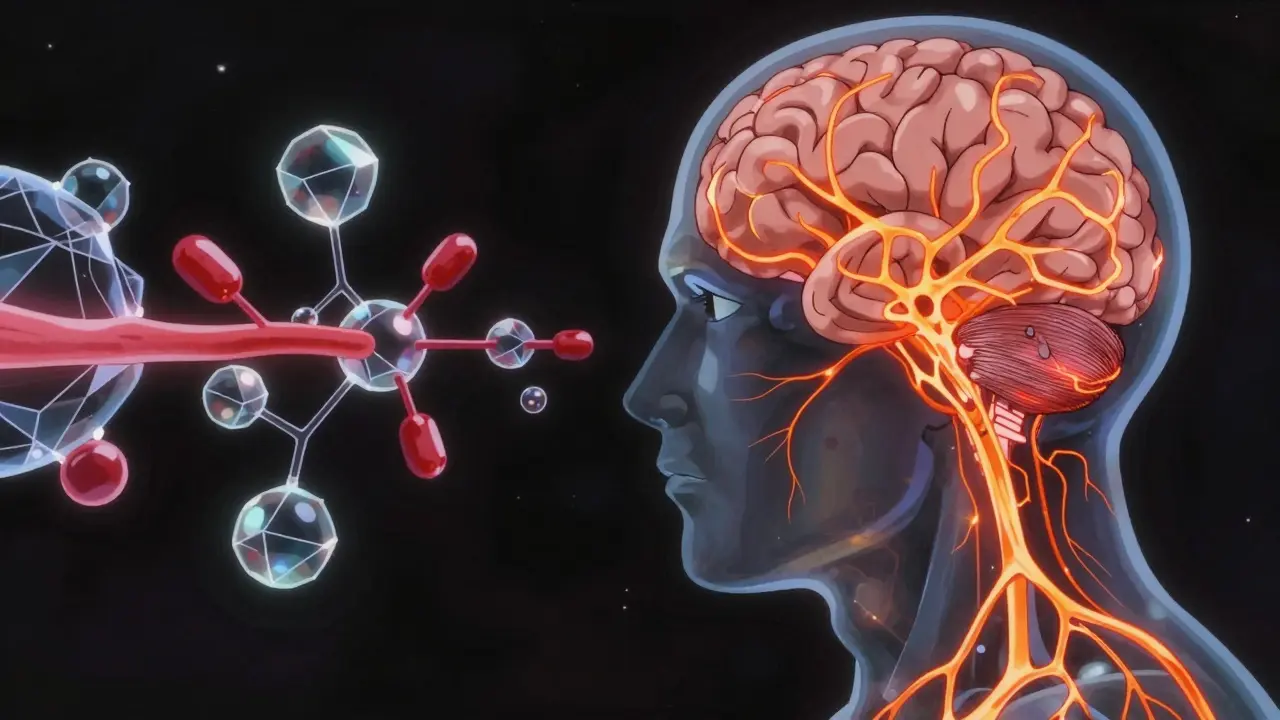
To understand the mood swings, we have to look at what prednisone actually does inside your body. It is designed to mimic cortisol, the body's natural stress hormone produced by the adrenal glands. When you take prednisone, it crosses the blood-brain barrier within an hour, directly interacting with receptors in your brain.
This interaction disrupts the balance of neurotransmitters-chemical messengers like serotonin and dopamine that regulate your mood. A study published in the *Journal of Clinical Psychiatry* found that corticosteroids significantly alter activity in the limbic system, the part of the brain responsible for emotions. Essentially, your brain is flooded with artificial "stress" signals, which can trigger feelings of agitation, euphoria, or depression depending on your individual biology and dosage.
The risk is dose-dependent. Research shows that doses exceeding 20mg daily significantly increase the likelihood of psychiatric side effects. At 40mg per day, the incidence of mood disturbances is 3.2 times higher than at lower doses. The symptoms often appear quickly, typically within 5 to 7 days of starting treatment, and can persist for weeks even after you stop taking the medication.
Mood changes from prednisone do not look the same for everyone. While some people experience mild irritability, others face severe psychological distress. Here are the most frequently reported symptoms:
If you notice any of these symptoms, especially if they interfere with your daily life or relationships, it is crucial to document them. Keeping a simple log of when you take your dose and how you feel a few hours later can help identify patterns.

While you cannot always change the medication, you can change how you manage its effects. Experts recommend a combination of lifestyle adjustments and communication strategies to mitigate the impact on your mental health.
Sleep disruption is a primary driver of steroid-induced mood swings. Since prednisone mimics cortisol, taking it late in the day can signal your body to stay alert when it should be resting. Try to take your entire daily dose in the morning, unless your doctor advises otherwise. Establish a strict bedtime routine: dim the lights, avoid screens, and keep your bedroom cool. Even if you cannot sleep immediately, lying down in a dark room helps reset your circadian rhythm.
When you feel an irrational burst of anger or anxiety rising, pause. Ask yourself: "Is this me, or is this the medication?" Recognizing that the feeling is chemically induced can create emotional distance. Practice mindfulness meditation for just 10-15 minutes twice daily. Studies show that regular mindfulness practice can reduce cortisol levels and improve emotional regulation during stressful periods.
Your friends and family likely do not understand why you seem so different. Have an open conversation before the mood swings start. Explain that your medication causes temporary emotional changes and that you are not intentionally being difficult. Asking them to give you space when you feel overwhelmed can prevent unnecessary conflicts.
Physical activity is a powerful mood stabilizer. A 2022 study in the *Journal of Psychiatric Research* found that moderate exercise reduced cortisol levels by 27%. Aim for 30 minutes of low-impact activity like walking, swimming, or yoga each day. Avoid high-intensity workouts if they leave you exhausted, as fatigue can worsen mood instability.

Not all mood changes require medical intervention, but some signs indicate a need for immediate support. Contact your healthcare provider if you experience:
Doctors have several options to help. They may adjust your dosage, switch to a different medication, or prescribe a short-term anti-anxiety medication or antidepressant. Recent research suggests that prophylactic use of low-dose SSRIs can reduce mood swing incidence by 58% in patients requiring prolonged therapy. Do not hesitate to ask for a referral to a psychiatrist who specializes in medication-induced mood disorders.
| Strategy | Primary Benefit | Implementation Tip |
|---|---|---|
| Morning Dosing | Reduces insomnia and daytime jitteriness | Take all doses before 8 AM unless directed otherwise |
| Mindfulness Meditation | Lowers cortisol and improves emotional regulation | Practice 10-15 minutes twice daily using guided apps |
| Moderate Exercise | Burns off excess energy and reduces stress hormones | Walk or swim for 30 minutes daily; avoid exhaustion |
| Mood Journaling | Identifies triggers and patterns | Note time of dose, food intake, and emotional state hourly |
| Professional Therapy | Provides tools for severe anxiety or depression | Seek CBT specialist familiar with steroid side effects |
As you begin to taper off prednisone, your body must readjust to producing its own cortisol. This transition can bring its own set of challenges, including fatigue and renewed mood fluctuations. Follow your doctor’s tapering schedule strictly. Do not stop abruptly, as this can cause adrenal crisis-a life-threatening condition. During the taper, continue your coping strategies, as your brain chemistry is still stabilizing.
Remember, these mood swings are temporary. They are a side effect of healing, not a reflection of your character or mental strength. By understanding the mechanism, communicating openly, and employing practical coping techniques, you can navigate this period with greater ease and maintain your well-being throughout your treatment journey.
Mood swings typically emerge within 5-7 days of starting treatment and can persist as long as you are taking the medication. After stopping, neurological impacts may continue for 5-14 days as your body readjusts. For some, symptoms resolve quickly; for others, it may take a few weeks for brain chemistry to fully normalize.
In rare cases, severe psychiatric reactions may require extended treatment, but most mood changes are reversible once the medication is discontinued or tapered. However, individuals with pre-existing mental health conditions are at higher risk and should be closely monitored by their healthcare provider.
Taking prednisone in the morning, ideally before 8 AM, aligns with your body's natural cortisol peak. This timing helps reduce insomnia and minimizes daytime jitteriness and anxiety associated with evening dosing.
Yes, absolutely. Mood changes are a known side effect, and your doctor needs to know the severity. They may adjust your dose, switch medications, or prescribe additional support like anti-anxiety meds or therapy to help you manage the symptoms safely.
Alcohol can exacerbate mood instability, anxiety, and sleep disturbances caused by prednisone. It also increases the risk of stomach irritation. It is generally recommended to limit or avoid alcohol while taking corticosteroids to maintain better emotional control.