
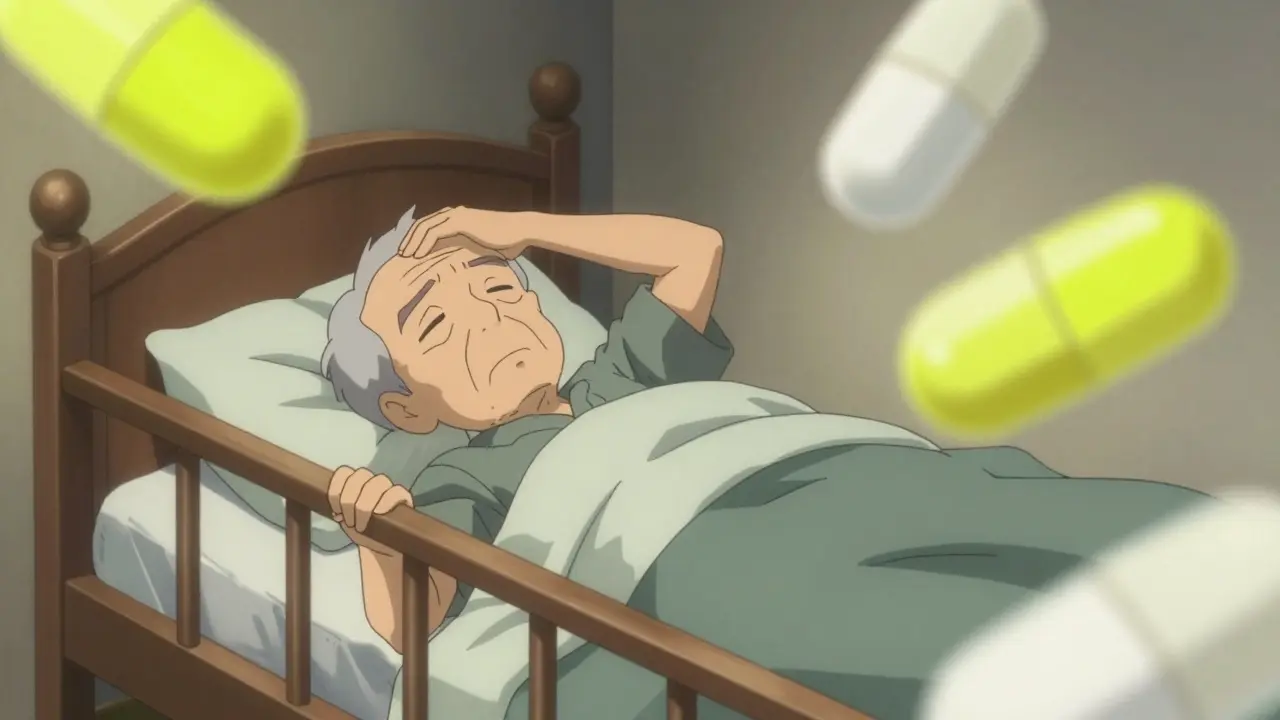
The core problem is that as we age, our bodies process medicine differently. A dose that worked perfectly at age 50 might be too strong at age 80, leading to confusion or a sudden drop in blood pressure. If you or a loved one are taking multiple prescriptions, you aren't just managing individual conditions; you're managing the way those chemicals interact in a changing body. The goal isn't to stop necessary treatment, but to identify fall risk-increasing drugs and find safer alternatives.
Not all drugs are created equal when it comes to stability. Some affect the brain's ability to coordinate movement, while others mess with the cardiovascular system. Healthcare providers often look at the Beers Criteria is a clinically recognized set of guidelines used to identify potentially inappropriate medications for older adults to determine what should be avoided.
Psychotropic drugs are among the biggest offenders. Benzodiazepines are sedative medications often used for anxiety or insomnia that can cause significant drowsiness and impaired coordination are notorious for this. They don't just make you sleepy; they slow down your reaction time. Similarly, antidepressants can be tricky. SSRIs (Selective Serotonin Reuptake Inhibitors) are common antidepressants that, while safer than older versions, still increase fall risk by about double compared to those not taking them . Even more dangerous are tricyclic antidepressants like amitriptyline, which can cause a sudden drop in blood pressure when you stand up.
Then there are the blood pressure meds. While they prevent strokes, things like beta blockers (e.g., carvedilol) or thiazide diuretics can lead to orthostatic hypotension. This is that "head rush" feeling you get when you stand up too quickly. If your blood pressure drops too fast, your brain doesn't get enough oxygen for a few seconds, and that's often when the fall happens.
| Medication Type | Common Examples | Primary Cause of Fall |
|---|---|---|
| Benzodiazepines | Alprazolam, Lorazepam | Sedation, dizziness, loss of coordination |
| Tricyclic Antidepressants | Amitriptyline, Nortriptyline | Orthostatic hypotension, confusion |
| Antihypertensives | Lisinopril, Carvedilol | Sudden blood pressure drops (Dizziness) |
| First-Gen Antihistamines | Diphenhydramine (Benadryl) | Extreme drowsiness, cognitive impairment |
| Opioids | Oxycodone, Hydrocodone | Impaired balance and mental clarity |
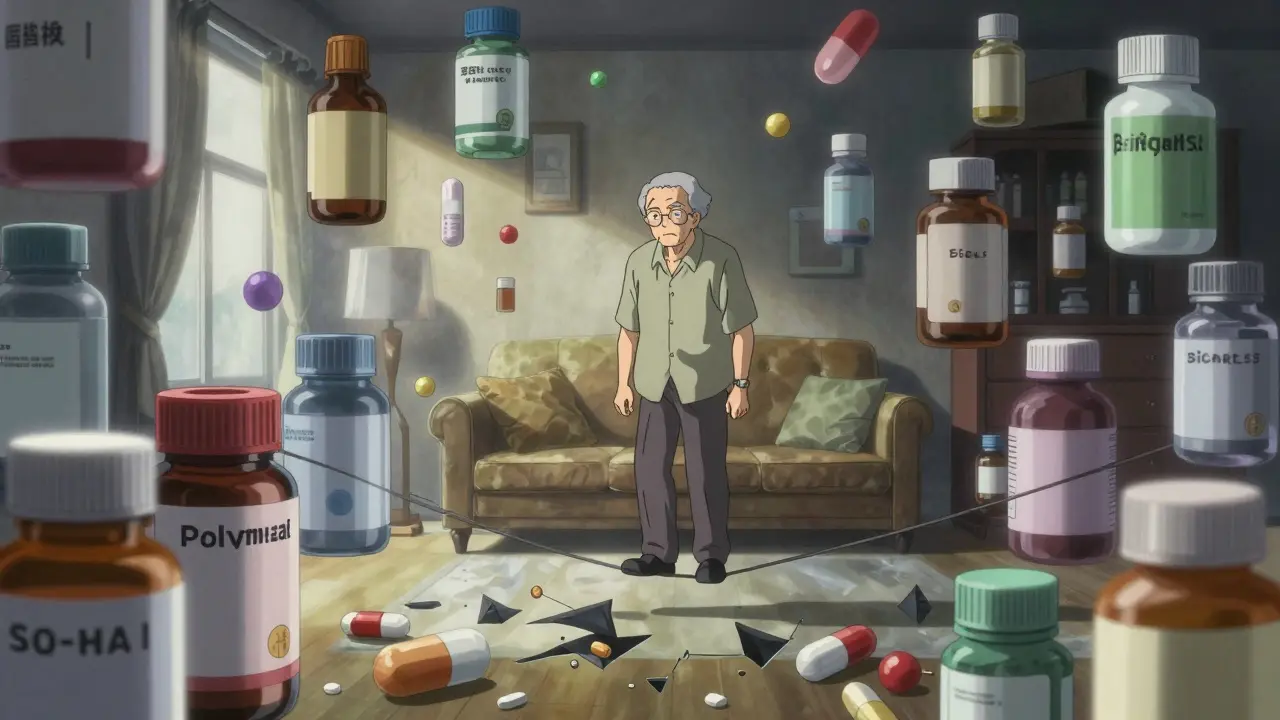
One pill might be fine. Two might be okay. But when a senior is taking four or more prescriptions, we enter the territory of Polypharmacy is the simultaneous use of multiple medications by a single patient, which increases the likelihood of adverse drug-drug interactions . This isn't just about the number of pills; it's about how they amplify each other's side effects.
Take the combination of opioids and benzodiazepines. Using one is risky enough, but using both together can increase the risk of a fall by 150%. They both depress the central nervous system, effectively knocking out the body's natural balance and alert mechanisms. It's like trying to walk a tightrope while wearing a blindfold and taking a nap at the same time.
Even over-the-counter (OTC) drugs contribute to this cocktail. Many people don't tell their doctor they're taking a sleep aid or an allergy pill from the pharmacy shelf. First-generation antihistamines are particularly dangerous because they have "anticholinergic" effects, meaning they can cause confusion and blurred vision, making it almost impossible to navigate a living room with a few stray rugs.
The good news is that reducing or stopping these high-risk drugs can lower fall rates by 20% to 30%. But you should never just stop taking a prescribed medication on your own-doing so can cause withdrawal or a return of severe symptoms. Instead, you need a structured review.
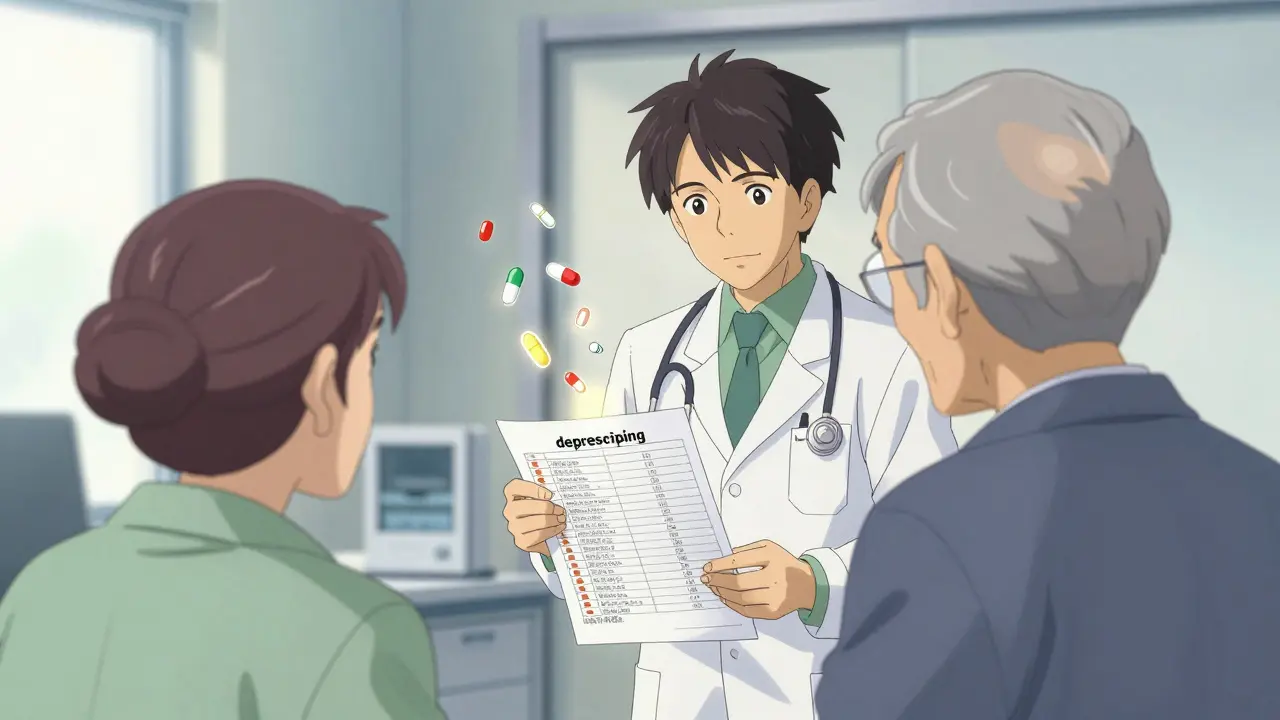
Start by creating a master list. Don't just list the name of the drug; include the dose, why you're taking it, and whether it's a prescription or something you bought at the store. When you meet with a doctor or a Pharmacist is a healthcare professional expert in the composition, effects, and interactions of medications , ask these specific questions:
A professional review often involves checking for orthostatic hypotension. A nurse or doctor will take your blood pressure while you're lying down and then again after you've been standing for three minutes. If your systolic pressure drops by 20 mmHg or more, it's a clear sign that your meds are making you a walking fall risk.
While the medical review happens, there are things you can do at home to mitigate the risks associated with medication side effects. If you've recently started a new drug or changed a dose, be extra cautious for the first two weeks. This is when the risk of a fall is highest as your body adjusts.
Try the "dangle" method. Before getting out of bed, sit on the edge of the mattress and let your feet dangle for a minute. This gives your blood pressure time to stabilize and prevents that sudden dizzy spell that leads to a tumble. Also, ensure your environment is "drug-proofed." If a medication makes you slightly drowsy, remove tripping hazards like throw rugs and ensure every hallway is brightly lit.
If you're managing a loved one's care, keep an eye out for subtle changes. Is your parent suddenly more confused? Are they swaying when they stand? These aren't always signs of aging or dementia; they can be early warning signs that a medication dose has become too high for their current health status.
While some drugs, like SSRIs, are generally considered safer than older tricyclics, they still carry an increased risk of falls. No medication in this category is completely risk-free for seniors. The key is to work with a doctor to find the lowest effective dose.
Certain blood pressure medications can cause your blood pressure to drop too low or drop too quickly when you change positions (orthostatic hypotension). This starves the brain of oxygen momentarily, causing dizziness and a loss of balance.
First-generation antihistamines like diphenhydramine (Benadryl) are often discouraged for seniors because they cause significant sedation and cognitive impairment, which drastically increases the chance of a fall.
Deprescribing is the planned and supervised process of reducing or stopping medications that may no longer be beneficial or may be causing harm. It is a clinical strategy to improve quality of life and reduce fall risks in older adults.
Ideally, a full review should happen at least once a year, or whenever there is a change in health status, a new medication is added, or after any fall (even if no injury occurred).
If you've had a fall recently, don't just brush it off as "getting old." Treat the fall as a medical symptom. Schedule an appointment specifically for a medication review. If your primary doctor seems rushed, ask for a referral to a geriatrician-a specialist who focuses on the complex interplay of aging and medicine.
For those managing complex care, consider a pharmacist-led review. Some health systems offer programs where pharmacists visit the home to review all medications in their actual storage environment. This often reveals "hidden" drugs or expired medications that are still being taken by mistake.
If you feel dizzy after stopping a medication under a doctor's guidance, keep a log of when it happens. Does it happen in the morning? Right after a dose? This data helps your healthcare team fine-tune your treatment without compromising your safety.

The utter sheer negligence of the medical establishment is simply staggering! I find it absolutely tragic that we have to be told to 'dangle' our feet like children because the pharmaceutical giants are too blinded by profit to realize their dosages are archaic! It's a systemic catastrophe masquerading as healthcare!

doctors just want more money and dont even care if old people fall over.. total scam the hole thing is just wrong

I saw my neighbor taking Benadryl every night!!! She's 82!!! Does she even have a caregiver??? This is reckless!!!

It is just crazy how these foreign drug standards are tryin to leak into our great American healthcare system but we gotta stick to what works for US citizens cause we are the strongest and toughest people on earth even if some of these medikations are just totally botched by the big phama company's who dont give a damn about the flag or the people!!!

The orthostatic hypotension... is very real... it's a total systemic failure of the cardiovascular... stability!!! My dad had the same issue... with his beta blockers... it was scary!!!

Oh, please. As if a 'master list' is going to suddenly fix decades of medical incompetence. How quaint that we believe a simple conversation with a pharmacist will reverse the damage of polypharmacy.

life is a balance and maybe the medicine is just a part of the journey we all walk together in peace

I've actually seen some wonderful results using a multidisciplinary approach where a physical therapist works alongside the geriatrician to tweak the environment while the meds are being tapered. It's like a delicate dance of recalibration. Some people find that simply switching the time of day they take their diuretic can stop those midnight trips to the bathroom from becoming a disaster. It's all about that sweet spot of timing and chemistry!

The Beers Criteria is just a tool for the elites to control what we can and cannot take. They want us sedated and compliant while they experiment with these 'safer alternatives' that probably come from some shadowy globalist lab. True patriots should question why these specific drugs are being targeted now.

actually its all a plot to keep us dependent on the system but hey keep smiling and just follow the rules if you like that sort of thing lol

They put these chemicals in the pills to make us forget the truth 👁️. It's all a game to the gurus in white coats! Just stop the toxins and wake up! 💊❌

I really feel that we can all come together to support our elders in this transition because it is such a vulnerable time in a person's life and while the medical side is important, the emotional support of knowing someone cares enough to check their pill bottle is where the real healing begins and we should all strive to be that beacon of light for our families as they navigate the complex waters of aging and health.

The ontological paradox of the geriatric pharmaceutical interface is simply a byproduct of our societal obsession with longevity over quality. 🙄 It's essentially a systemic failure of the biological paradigm shift. I mean, who actually understands the pharmacokinetics of an 80-year-old liver? Not the peasants, clearly. 💅

I'm so glad this was shared. It's heartbreaking to think about the fear seniors feel after a fall, but having a clear path like a medication review gives so much hope for a safer home.