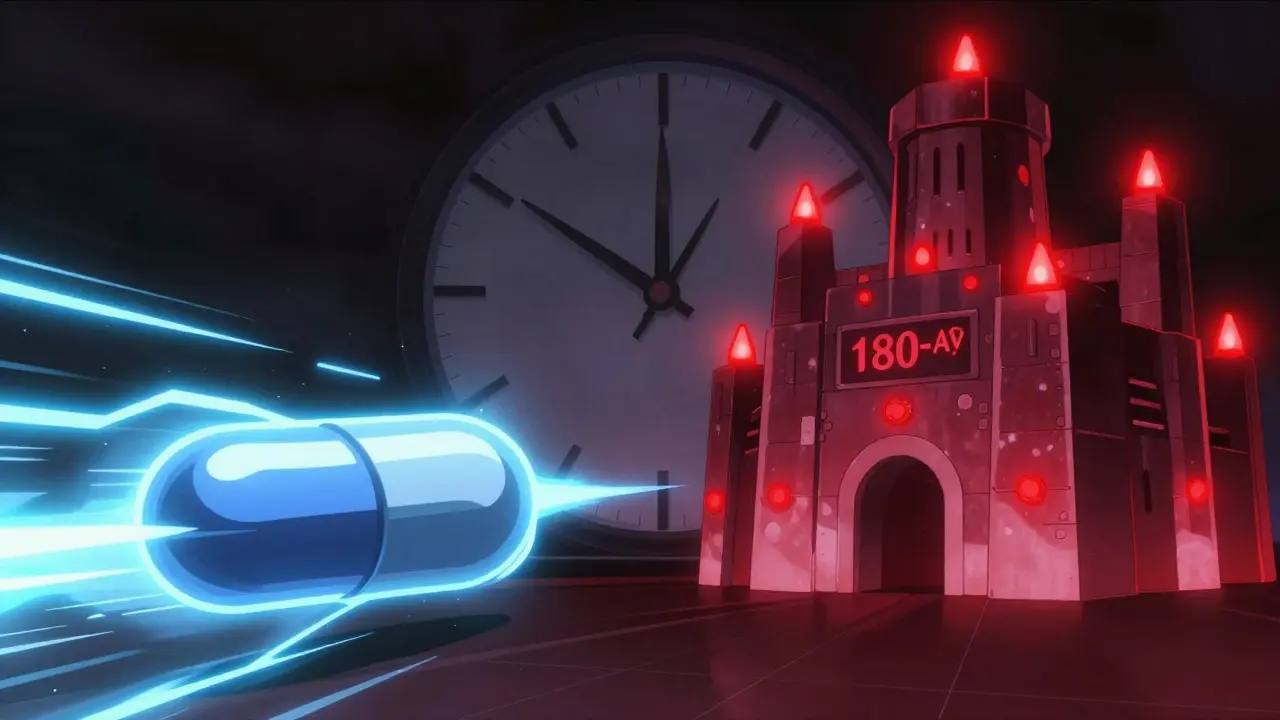
Imagine a blockbuster drug that costs thousands of dollars a month. Now imagine a generic version entering the market, dropping the price by 90%. That shift doesn't happen by accident; it often hinges on a specific legal window known as 180-day exclusivity. This mechanism is the engine behind much of the US generic drug market, but it works differently than most people think. It isn't just about waiting for a patent to expire. It's a strategic race where the first company to challenge a patent legally gets a temporary monopoly on the generic version. If you're navigating pharmaceutical regulations, understanding how this clock starts, stops, and sometimes stalls is critical.
180-day exclusivity is a statutory period during which the FDA cannot approve a second generic application for a drug if the first applicant has successfully challenged a listed patent. Established by the Hatch-Waxman Act in 1984, this rule was designed to balance two competing interests: rewarding brand-name innovators for their R&D while encouraging generic manufacturers to enter the market. The law creates a "first-to-file" incentive. When a generic company files an Abbreviated New Drug Application (ANDA) with a Paragraph IV certification-meaning they believe a patent is invalid or won't be infringed-they become eligible for this exclusivity if they are recognized as the "first applicant."
This isn't a standard regulatory delay like the five-year new chemical entity exclusivity. Instead, it is a competitive shield. While the first generic challenger holds this status, no other generic company can get FDA approval for the same product based on the same patent challenge. This effectively grants the first mover a head start, allowing them to capture market share before competitors arrive. For many high-value drugs, this window represents billions of dollars in potential revenue, making it one of the most contested areas in pharmaceutical law.
One of the biggest confusions around this topic is when the 180-day timer actually begins. It doesn't start when the ANDA is filed, nor does it necessarily start when the FDA approves the drug. According to federal law, specifically 21 U.S.C. § 355(j)(5), the period begins on the earliest of two events:
This dual-trigger system creates complex scenarios. If a generic company wins its patent lawsuit immediately, the clock starts ticking even if they haven't started selling the drug yet. Conversely, if litigation drags on for years, the exclusivity period might not begin until the case is resolved. However, there is a catch: if the first applicant delays commercialization significantly while the patent remains valid, the exclusivity can effectively extend beyond the intended 180 days, blocking other generics from entering the market for years. This structural flaw has been a major point of criticism among consumer advocates and non-first generic manufacturers.
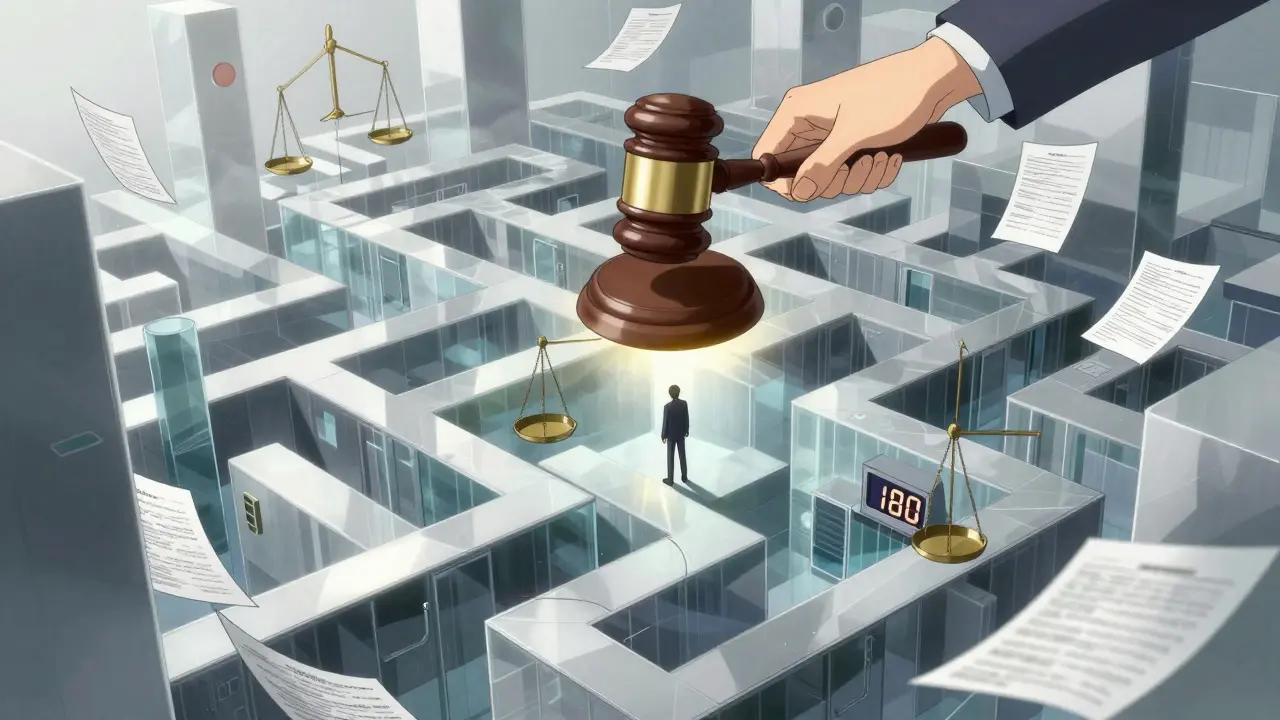
To qualify for 180-day exclusivity, a generic manufacturer must file an ANDA with a Paragraph IV certification. This is a legal statement indicating that the applicant believes a patent listed in the Orange Book is either expired, will expire before the ANDA is approved, or is invalid/not infringed. Filing this certification is a bold move. It signals to the brand-name holder that you intend to sue them for patent infringement. In response, the brand company usually files a lawsuit within 45 days to stop the generic launch.
The outcome of this litigation determines the path forward. If the generic company wins, they gain the right to market the drug and trigger the exclusivity clock. If they lose, they may still be able to appeal, but the exclusivity rules become complicated. The FDA has clarified in various guidance documents that the status of the "first applicant" is determined by who submits a substantially complete ANDA containing the Paragraph IV certification first. This definition was solidified in cases like Granutec, Inc. v. Shalala, where courts ruled that eligibility depends on the completeness of the application at the time of submission, not just the date of filing.
Earning the exclusivity is only half the battle; keeping it is the other. The Medicare Modernization Act of 2003 introduced forfeiture provisions that allow the first applicant to lose their eligibility under certain circumstances. The most common trigger is failing to commercialize the drug within a specified timeframe after winning the patent challenge. If the first applicant sits on their victory and doesn't launch the product, they risk forfeiting the exclusivity, which then opens the door for subsequent applicants.
This creates a high-stakes strategic environment. Generic companies must weigh the cost of patent litigation against the risk of forfeiture. They need to ensure their supply chain is ready and their marketing plans are set before challenging a patent. A misstep here can mean losing the entire exclusivity benefit, turning a potential windfall into a costly legal defeat. Many companies now engage specialized regulatory counsel to monitor these deadlines closely, ensuring that every step from ANDA submission to shelf placement aligns with the statutory requirements.
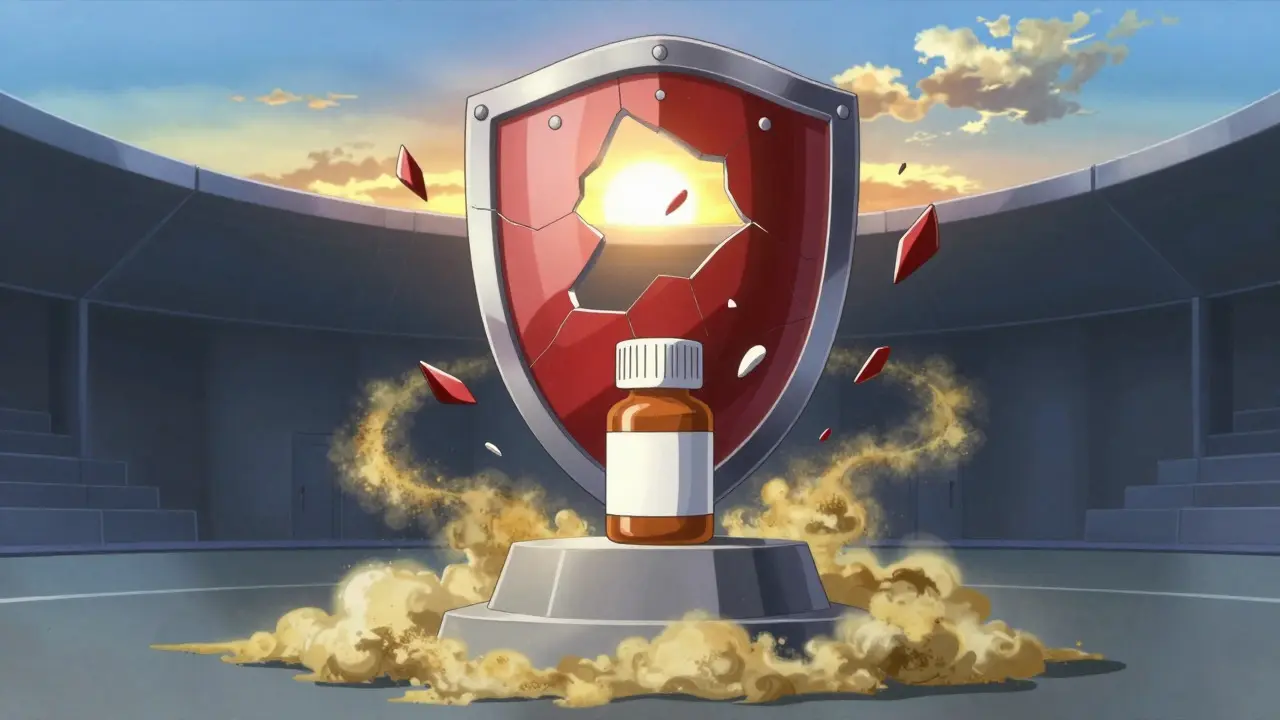
To fully grasp the impact of 180-day exclusivity, it helps to compare it with other forms of protection in the pharmaceutical system. Unlike regulatory exclusivities, which prevent any generic submission for a set period, 180-day exclusivity only blocks *subsequent* generic approvals based on the same patent challenge. It operates alongside, not instead of, patent protection.
| Exclusivity Type | Duration | Trigger Event | Primary Purpose |
|---|---|---|---|
| 180-Day Exclusivity | 180 days | First commercial marketing or patent win | Incentivize patent challenges by first generic filer |
| New Chemical Entity (NCE) | 5 years | FDA approval of new drug | Protect brand innovation from immediate generic entry |
| Pediatric Exclusivity | 6 months | Completion of pediatric studies | Encourage research in children |
| Biosimilar Interchangeability | 12 months | First interchangeable biosimilar approval | Stabilize biosimilar market entry |
Note the distinct nature of the 180-day provision. It is the only one that rewards *generic* manufacturers rather than brand-name holders. This unique position makes it a critical tool for reducing drug prices, as it directly facilitates the entry of lower-cost alternatives. However, because it is a "winner-takes-all" scenario, it can also lead to anti-competitive settlements where brand and generic companies agree to delay market entry in exchange for shared profits, a practice regulators have been working to curb.
The current system isn't without flaws. Critics argue that the exclusivity period can effectively last longer than 180 days if the first applicant delays commercialization while patent litigation continues. To address this, the FDA proposed amendments in March 2022. The proposal suggests clarifying that exclusivity should strictly run from the date of first commercial marketing, ensuring it lasts exactly 180 days rather than multiple years. Additionally, there are discussions about extending the period to 270 days for early entrants who market more than five years before patent expiration, aiming to further incentivize early competition.
These changes reflect an ongoing effort to balance incentives with efficiency. The goal is to ensure that the system accelerates generic entry rather than delaying it. As the pharmaceutical landscape evolves, staying informed about these regulatory shifts is essential for anyone involved in drug development, pricing, or policy. The interplay between patent law and market access remains one of the most dynamic areas in healthcare regulation, shaping how millions of patients access affordable medications.
If the first applicant loses and does not appeal, they generally do not receive 180-day exclusivity. However, if they appeal and eventually win, the exclusivity clock may start upon the final court decision. If the appeal is unsuccessful, the exclusivity opportunity typically passes to the next eligible applicant, though specific rules depend on the timing of the court decisions and FDA actions.
Generally, no. The current law designates a single "first applicant" who receives the exclusivity. If multiple ANDAs are submitted on the same day with Paragraph IV certifications, the FDA uses specific criteria to determine who qualifies as the first applicant. Unlike some biosimilar pathways, the standard small molecule 180-day exclusivity is typically a winner-takes-all scenario for the initial period.
By incentivizing the first generic challenge, it encourages earlier market entry of lower-cost alternatives. Once the 180-day period ends, additional generic manufacturers can enter the market, leading to increased competition and typically significant price drops. However, if the first applicant delays entry, the overall time to generic availability can be extended, potentially keeping prices higher for longer.
Patent term extension (or restoration) adds time to the end of a brand-name drug's patent life to compensate for time lost during FDA review. It protects the brand holder. In contrast, 180-day exclusivity is a period granted to a generic manufacturer after they successfully challenge a patent. One extends monopoly for the innovator; the other grants a temporary monopoly to the first generic challenger.
The FDA determines whether an ANDA is substantially complete at the time of submission. This determination is crucial because it establishes who the "first applicant" is. Courts have reviewed these determinations in cases like Granutec, Inc. v. Shalala, emphasizing that the application must contain all necessary information for the FDA to evaluate it, leaving no major deficiencies that would require significant revision before acceptance.

I’ve always found this specific legal mechanism fascinating because it really highlights the tension between innovation and accessibility. It’s not just about waiting for a patent to expire, but actively challenging it, which is a bold move for any company. The idea that the first person to file gets a temporary monopoly feels like a reward for taking the risk. Without this incentive, who would be willing to spend millions on litigation against a big pharma giant? It makes sense from a business perspective, even if it can feel slow for patients. The Hatch-Waxman Act was clearly designed with this balance in mind. I appreciate how the article breaks down the 'first-to-file' concept so clearly. It helps demystify why some generics hit the market years before others. The strategic race aspect is what really catches my attention. It turns regulatory compliance into a high-stakes game of chess. Understanding these nuances is crucial for anyone in the healthcare space.

honestly this whole thing feels like a super convoluted way to let one company make bank while everyone else waits outside
the part where they can just delay launching the drug to keep the clock ticking is kinda wild to me
it basically lets them hold the entire market hostage for longer than the law intended
i get why they need incentives but this feels like a loophole that hurts patients more than it helps
also the typo in my head is screaming at me right now lol

The fundamental flaw here is that we treat patents as natural rights rather than social contracts. This 180-day window is merely a symptom of a deeper systemic failure to value human life over corporate profit margins. If you look closely, the 'strategic race' is actually a coordinated effort by capital to suppress competition. The dual-trigger system is not a bug, it is a feature designed to maximize extraction. We are witnessing the slow death of public health under the guise of intellectual property. The real question is not when the clock starts, but why we allow the clock to exist at all. Until we dismantle the patent system entirely, we are just rearranging deck chairs on the Titanic. Do not be fooled by the language of 'balance'; there is no balance when one side holds all the cards. The true cost is paid by those who cannot afford the brand name. This is philosophy in action, or rather, the lack thereof. The system works exactly as designed, and the design is broken.

Great breakdown!... I think...
The part about the forfeiture rules really resonated with me... especially the risk of losing everything if you don't launch fast enough...
It's such a tightrope walk for these generic companies...
You have to have your supply chain ready... and your marketing plan set... before you even file...
One small mistake... and the whole exclusivity benefit vanishes...
It really shows why specialized counsel is so critical in this field...
I'm glad the article highlighted that specific detail... it's easy to overlook...
Thanks for sharing this!

In Nigeria, we see similar struggles with access to affordable medicines. The legal frameworks differ, but the core issue remains: balancing innovation with patient needs. This US model offers an interesting contrast to our local regulations. It prompts us to reflect on how we structure our own pharmaceutical laws. Perhaps there are lessons to be learned from their 'first-to-file' approach. However, we must ensure it does not lead to prolonged monopolies. The goal should always be timely access to quality drugs. This discussion is vital for global health policy. Let us continue to learn from each other's systems.

this is just another example of western greed keeping prices high for the rest of the world
why do we even care about their patent laws when our people can't afford basic meds
they call it strategy we call it exploitation
let the generics in already
stop protecting the rich corporations

This is a truly illuminating analysis of a complex regulatory landscape. The clarity with which the triggers for the 180-day period are explained is commendable. It is essential for stakeholders to understand these nuances to navigate the market effectively. The potential for strategic delays is a significant concern, yet the proposed amendments offer a promising path forward. By ensuring the exclusivity period is strictly tied to commercial marketing, we can enhance market efficiency. This will ultimately benefit patients through earlier access to affordable alternatives. The interplay between patent law and market access is indeed dynamic. Staying informed on these developments is crucial for long-term success in the pharmaceutical industry. Let us remain optimistic about the positive changes on the horizon.

Absolutely brilliant point about the comparison table!
It really drives home just how unique the 180-day provision is compared to the NCE or pediatric exclusivities.
I hadn't fully appreciated that it's the only one rewarding the generic manufacturer directly.
That distinction is absolutely pivotal when trying to understand the broader impact on drug pricing.
It really shifts the perspective from seeing it as just a delay, to seeing it as a catalyst for competition.
Wonderful insight, thank you for highlighting that specific aspect of the article!