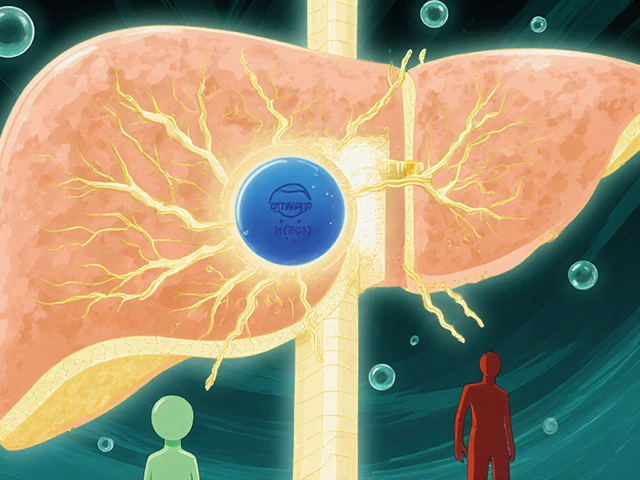
When you take a pill, your body doesn’t treat it the same way everyone else’s does. That’s because of pharmacogenomics, the study of how your genes influence how your body responds to drugs. Also known as personalized medicine, it’s not science fiction—it’s already changing how doctors prescribe everything from blood thinners to antidepressants. Two people can take the same dose of the same drug, and one might feel great while the other gets sick. It’s not about adherence, lifestyle, or luck—it’s about your DNA.
Pharmacogenomics looks at how your genes control drug metabolism, the process your liver uses to break down medications. Some people have gene variants that make them fast metabolizers—drugs clear out too quickly, so they don’t work. Others are slow metabolizers—drugs build up and cause toxic side effects. This is why warfarin doses vary wildly between patients, why some people get severe reactions to codeine, and why certain antidepressants fail for one person but work wonders for another. The genetic testing, a simple saliva or blood test that identifies key gene variants affecting drug response is becoming more common in clinics, especially for heart meds, painkillers, and psychiatric drugs.
It’s not just about avoiding bad reactions. It’s about finding the right drug faster. Instead of trial and error, pharmacogenomics helps doctors pick the best option from the start. If you’ve ever been told to switch meds three times before finding one that worked, this is why. And it’s not just for rare conditions—it applies to common prescriptions like statins, SSRIs, and even over-the-counter pain relievers. The FDA even lists gene-drug interactions on drug labels now. You don’t need to be a scientist to benefit. If you’ve had unexplained side effects, or if a medication just never worked for you no matter the dose, your genes might hold the answer.
Below, you’ll find real-world guides on how gene-drug interactions affect everyday medications—from warfarin and clopidogrel to antidepressants and painkillers. These aren’t theoretical discussions. They’re practical breakdowns of what happens when your biology clashes with a pill, and what you can do about it.

Azathioprine is a cost-effective immunosuppressant, but without TPMT and NUDT15 genetic testing, it can cause life-threatening drops in blood cell counts. Learn how testing prevents severe side effects and why it's essential before starting treatment.