
When you're dealing with constant heartburn or acid reflux, omeprazole, a proton pump inhibitor that reduces stomach acid production. Also known as Prilosec, it's one of the most prescribed drugs for acid-related stomach issues. It doesn't just mask symptoms—it stops the acid at the source by blocking the tiny pumps in your stomach lining that make acid. That’s why it works better than antacids for long-term relief.
But omeprazole isn’t just for occasional heartburn. It’s used for GERD, a chronic condition where stomach acid flows back into the esophagus, ulcers caused by H. pylori bacteria, and even Zollinger-Ellison syndrome. People often take it for weeks or months, sometimes longer. But that’s where things get tricky. Long-term use can affect how your body absorbs nutrients like magnesium, calcium, and vitamin B12. It can also increase the risk of bone fractures and gut infections. These aren’t rare side effects—they show up in real-world use, not just clinical trials.
And here’s something most people don’t realize: omeprazole doesn’t work the same for everyone. Some people feel better in a day. Others need weeks. Some stop taking it and their symptoms come back worse. That’s because acid reflux isn’t always about too much acid—it’s often about where the acid goes. If your lower esophageal sphincter is weak, no amount of acid reduction will fix the leak. That’s why lifestyle changes—like avoiding late-night meals, cutting back on caffeine, and losing weight—matter just as much as the pill.
There’s also a growing group of people who’ve been on omeprazole for years without ever being reassessed. They started it for a bad flare-up, then just kept going because it "worked." But stopping abruptly can cause rebound acid hypersecretion—your stomach overcompensates and makes even more acid than before. That’s why tapering off under medical guidance is often safer than quitting cold turkey.
And while omeprazole is a go-to, it’s not the only option. Other proton pump inhibitors, like esomeprazole or pantoprazole work similarly but may have different side effect profiles. Some people switch to H2 blockers like famotidine for milder cases. And then there’s the rise of natural approaches—though as one of the articles in this collection points out, natural doesn’t always mean safer. Herbal supplements can interfere with omeprazole, just like they can with warfarin or other meds.
What you’ll find in the posts below isn’t just a list of articles. It’s a practical guide to navigating the real-world challenges of managing acid-related conditions. You’ll see how medication adherence affects outcomes, how comorbidities like kidney disease change how omeprazole is processed, and how stories from real patients shape whether people stick with their treatment. You’ll also find comparisons with other drugs, warnings about long-term use, and tips on when to talk to your doctor instead of just reaching for the next bottle.
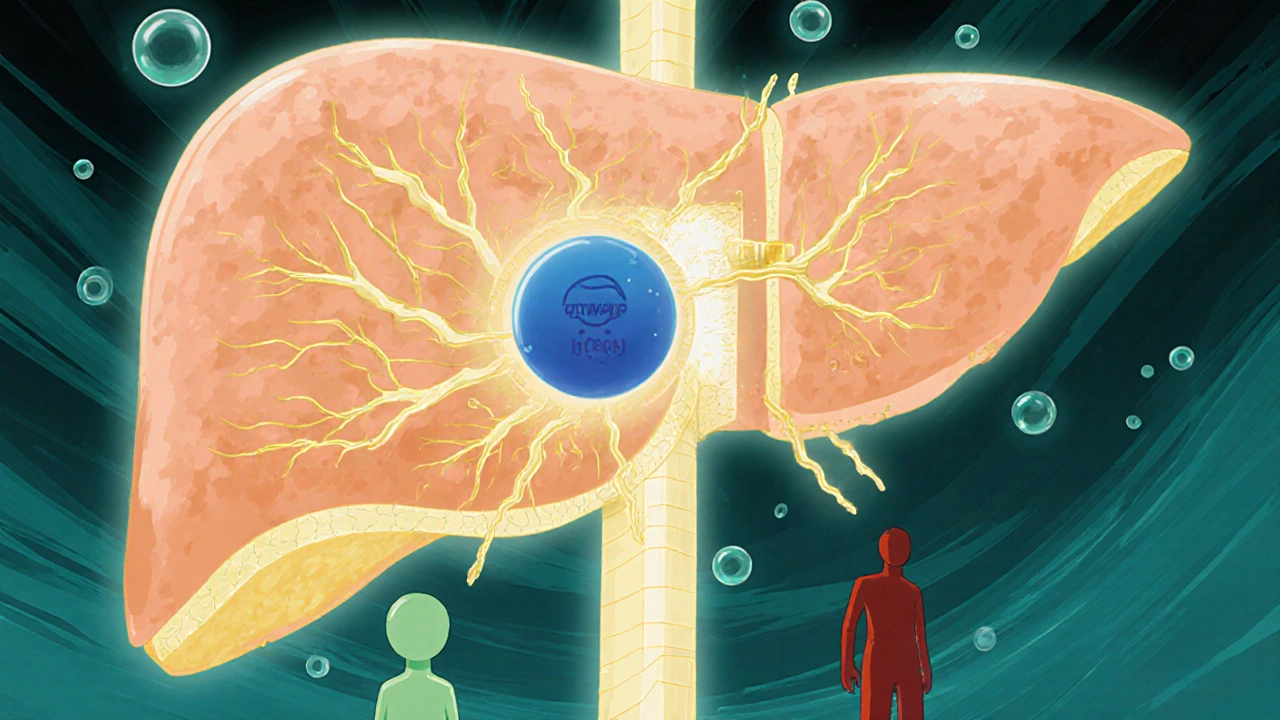
Clopidogrel's antiplatelet effect can be reduced by certain proton pump inhibitors, especially omeprazole. Pantoprazole and rabeprazole are safer alternatives. Know which PPI you're taking and why it matters for your heart health.