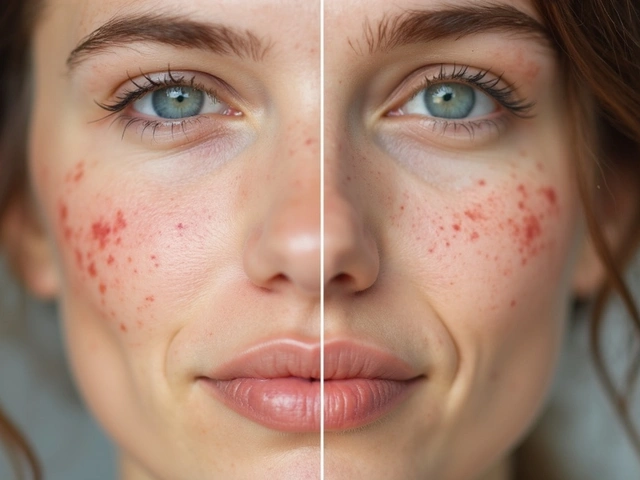
When your body responds badly to a medication, it’s not just a side effect—it’s a drug reaction, an unintended and harmful response to a medicine at normal doses. Also known as an adverse drug reaction, this isn’t something you just "get used to." It’s your body signaling that something’s wrong—and it can happen with anything from a common painkiller to a life-saving pill. Unlike predictable side effects like drowsiness or dry mouth, a true drug reaction often comes out of nowhere: a rash that spreads, swelling in your throat, sudden dizziness, or even kidney damage you didn’t see coming.
These reactions don’t always mean you’re allergic. Some are caused by drug interactions, when two or more medications clash inside your body. For example, taking clopidogrel with omeprazole can weaken the heart drug’s effect, raising your risk of a clot. Others come from how your genes process drugs—like with azathioprine, where a simple TPMT genetic test can prevent deadly drops in blood cell counts. Even something as simple as swapping a generic pill for a different brand can trigger confusion or a reaction if the inactive ingredients don’t agree with your system. People with existing conditions like kidney disease or heart failure are at higher risk, because their bodies can’t clear drugs the way they should. That’s why a drug that’s safe for one person can be dangerous for another.
And here’s the thing: most drug reactions are preventable. They’re not random. They’re tied to specific triggers—certain classes of drugs, genetic factors, or combinations that doctors might miss if they’re not looking closely. That’s why so many posts here focus on real-world cases: how antacids harm kidneys, why warfarin needs careful monitoring, how birth control pills interact with other meds, and why natural supplements aren’t automatically safe. These aren’t theoretical risks. They’re happening to real people every day.
If you’ve ever wondered why your pill changed color, why you felt weird after starting a new med, or why your doctor asked about every supplement you take—that’s all part of spotting a potential drug reaction before it turns serious. Below, you’ll find clear, no-fluff guides on exactly how to recognize these reactions, what to do when they happen, and how to avoid them in the first place. No jargon. No guesswork. Just what you need to stay safe.

Learn how to tell if you're truly allergic to medications like penicillin, why mislabeling is dangerous, and how to find safe, effective alternatives. Most people aren't actually allergic-testing can change everything.