
Imagine trying to read a menu while standing on a bus that’s suddenly braking. For most people, this is an annoying but manageable sensation. For someone with a vestibular disorder, however, it feels like the world is spinning out of control, accompanied by nausea and a terrifying loss of stability. This isn’t just about feeling dizzy; it’s about losing your independence. If you’ve been told to “just be careful” or prescribed medication that makes you groggy, you might feel stuck. But there is a proven path forward called vestibular rehabilitation, a specialized form of physical therapy designed to retrain your brain and body to work together again.
Vestibular rehabilitation therapy (VRT) is not a quick fix, but it is highly effective. It relies on neuroplasticity-the brain’s ability to adapt and change-to compensate for inner ear damage. Whether you are dealing with benign paroxysmal positional vertigo (BPPV), Meniere’s disease, or age-related balance decline, VRT offers a structured way to regain confidence in your movements. Let’s break down how this works, what exercises you can do, and how to prevent falls before they happen.
To understand why you’re falling or feeling dizzy, you first need to know where the problem lies. Your sense of balance doesn’t come from one place; it’s a team effort between three systems:
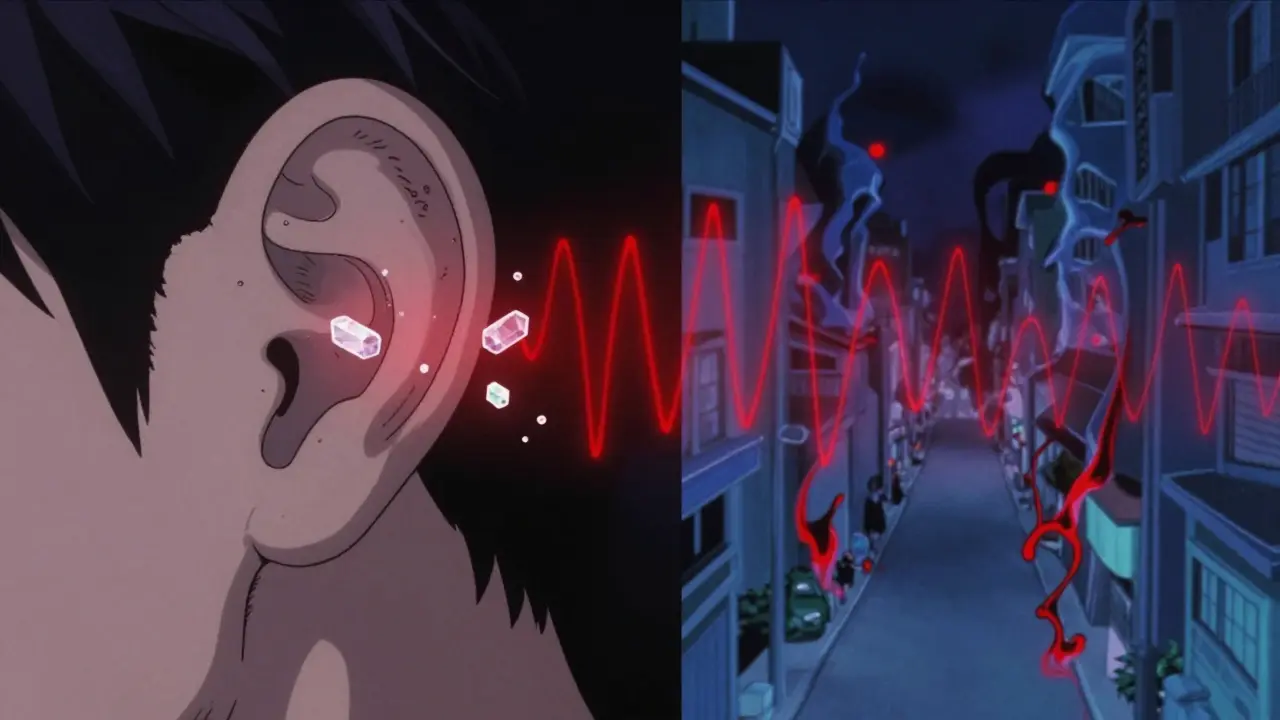
When these three systems agree, you stay balanced. When they disagree-such as when your inner ear says you’re moving but your eyes say you’re still-your brain gets confused. This conflict causes vertigo, dizziness, and instability. In conditions like benign paroxysmal positional vertigo (BPPV), tiny calcium crystals in the inner ear get dislodged, sending false signals every time you tilt your head. VRT helps resolve these conflicts by training your brain to trust the correct signals.
Vestibular rehabilitation therapy is built on four main goals: enhancing gaze stability, improving postural stability, reducing vertigo symptoms, and improving your ability to perform daily activities. Unlike general physical therapy, which might focus on strength alone, VRT targets the specific neural pathways involved in balance.
The core mechanism is neuroplasticity. Think of your brain like a computer that has crashed due to bad data from your inner ear. VRT provides new, consistent data through repeated exercises, allowing the brain to update its software. Over time, your brain learns to compensate for the damaged vestibular input by relying more heavily on vision and somatosensory cues. This process is known as sensory substitution.
Another key component is habituation. If certain movements make you dizzy, avoiding them actually makes the problem worse because your brain remains hypersensitive to those stimuli. Habituation involves repeatedly exposing yourself to those triggers in a controlled way until the dizziness response diminishes. It’s uncomfortable at first, but it’s essential for long-term recovery.
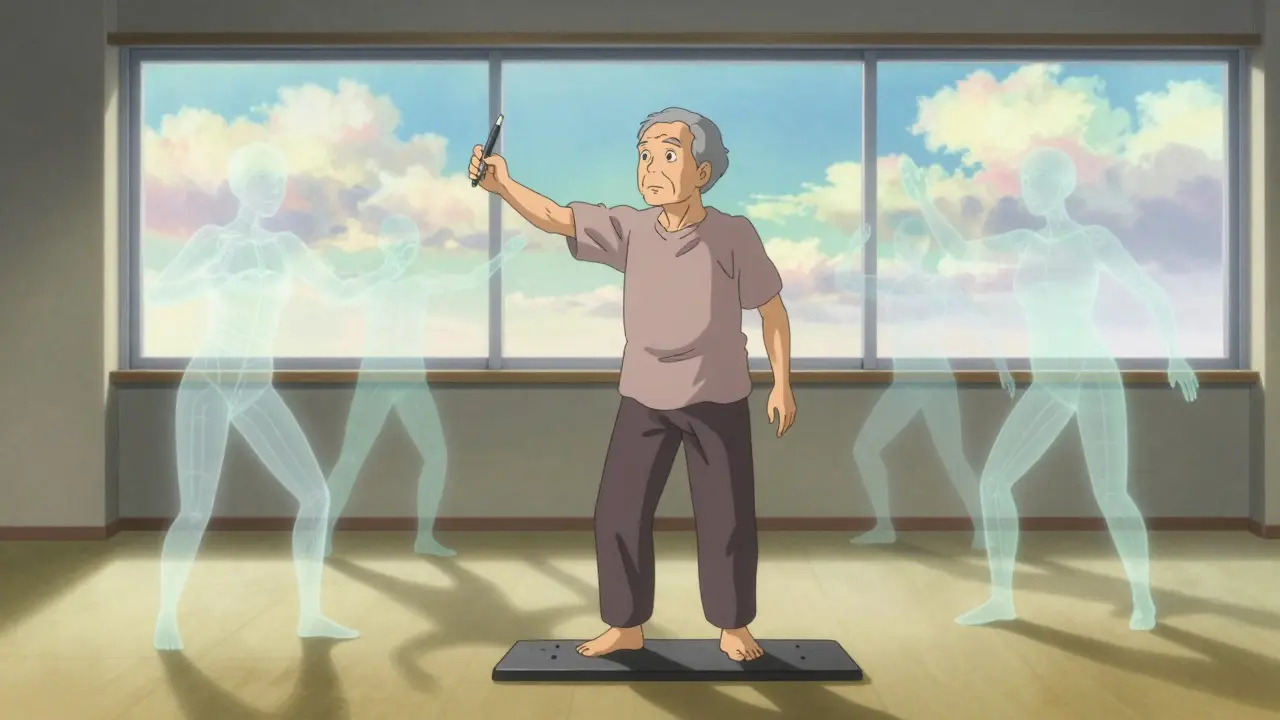
While a therapist will customize your plan, several foundational exercises are commonly used in VRT programs. Always start slowly and stop if you feel severe pain or faintness. Mild dizziness during exercise is normal and part of the healing process.
The vestibulo-ocular reflex (VOR) keeps your eyes focused on a target while your head moves. If this reflex is impaired, the world looks like it’s bouncing around (oscillopsia). To train it:
These exercises improve your postural stability by challenging your support base. They help you maintain balance even when your vestibular system is sending mixed signals.
If bending over or looking up triggers dizziness, create a list of these provocative movements. Perform each movement for 30-60 seconds, resting in between. Repeat the sequence 2-3 times daily. The goal is to reduce the intensity of the dizziness over weeks, not days.
| Condition | Primary Symptom | Typical Duration | VRT Focus |
|---|---|---|---|
| BPPV | Brief, intense vertigo with head position changes | Seconds to minutes | Canalith repositioning maneuvers (e.g., Epley maneuver) |
| Meniere's Disease | Prolonged vertigo, hearing loss, tinnitus | Minutes to hours | Habituation and balance substitution strategies |
| Vestibular Neuritis | Sudden, severe continuous vertigo | Days to weeks | Gaze stability and habituation once acute phase passes |
| Age-Related Decline | Unsteadiness, fear of falling | Chronic | Strength training, dual-task balance exercises |
Exercises are crucial, but preventing falls also requires environmental awareness and lifestyle adjustments. Falls are a leading cause of injury among adults over 65, with 30% experiencing at least one fall annually. Here’s how to minimize risk:
A typical VRT program lasts 6 to 8 weeks, involving 1-2 supervised sessions per week with a physical therapist who specializes in vestibular disorders. However, the real work happens at home. You’ll be expected to perform your prescribed exercises 3-5 times daily.
It’s important to manage expectations. You won’t feel better overnight. In fact, you might feel slightly worse in the first few days as your brain adjusts to the new stimuli. This is normal. Studies show that patients who stick with their home exercise regimen see significant improvements in gaze stability (up to 68%) and balance (up to 73%). Many report a 53% reduction in fall risk after completing the program.
If you experience headaches or nausea, don’t stop entirely. Reduce the intensity or duration of the exercises and consult your therapist. They may adjust your plan to ensure you’re progressing safely.
Self-guided exercises can help mild cases, but professional guidance is essential for accurate diagnosis and safe progression. You should see a specialist if:
Look for a physical therapist certified in vestibular rehabilitation. Major healthcare institutions now offer specialized VRT programs, and many insurance plans cover these services when deemed medically necessary.
Most patients notice improvement within 4 to 8 weeks of consistent daily exercises. However, full compensation can take several months, depending on the severity of the vestibular lesion and the patient’s adherence to the home exercise program. Regular practice is key; sporadic efforts yield minimal results.
While some basic exercises like gaze stabilization can be done independently, it’s strongly recommended to start under the supervision of a qualified physical therapist. They can diagnose the specific type of vestibular disorder and tailor exercises to your needs, ensuring you don’t aggravate the condition. Self-diagnosis can lead to incorrect treatments, especially for BPPV.
VRT is not typically painful, but it can be uncomfortable. Exercises may provoke dizziness, nausea, or mild headaches as your brain adapts. This discomfort is a sign that the therapy is working. If you experience sharp pain or severe distress, stop immediately and consult your therapist.
Yes, VRT is highly effective for older adults, even those with multiple health conditions. Research shows that elderly patients can significantly improve their balance and reduce fall risk through targeted exercises. Age-related decline in the vestibular system can be compensated for with proper training, helping seniors maintain independence.
BPPV causes brief episodes of vertigo triggered by specific head movements, usually lasting less than a minute. It’s caused by displaced inner ear crystals. Vestibular neuritis, on the other hand, involves inflammation of the vestibular nerve, leading to prolonged, continuous vertigo that can last for days. BPPV is often treated with repositioning maneuvers, while neuritis requires habituation and balance substitution exercises once the acute phase resolves.