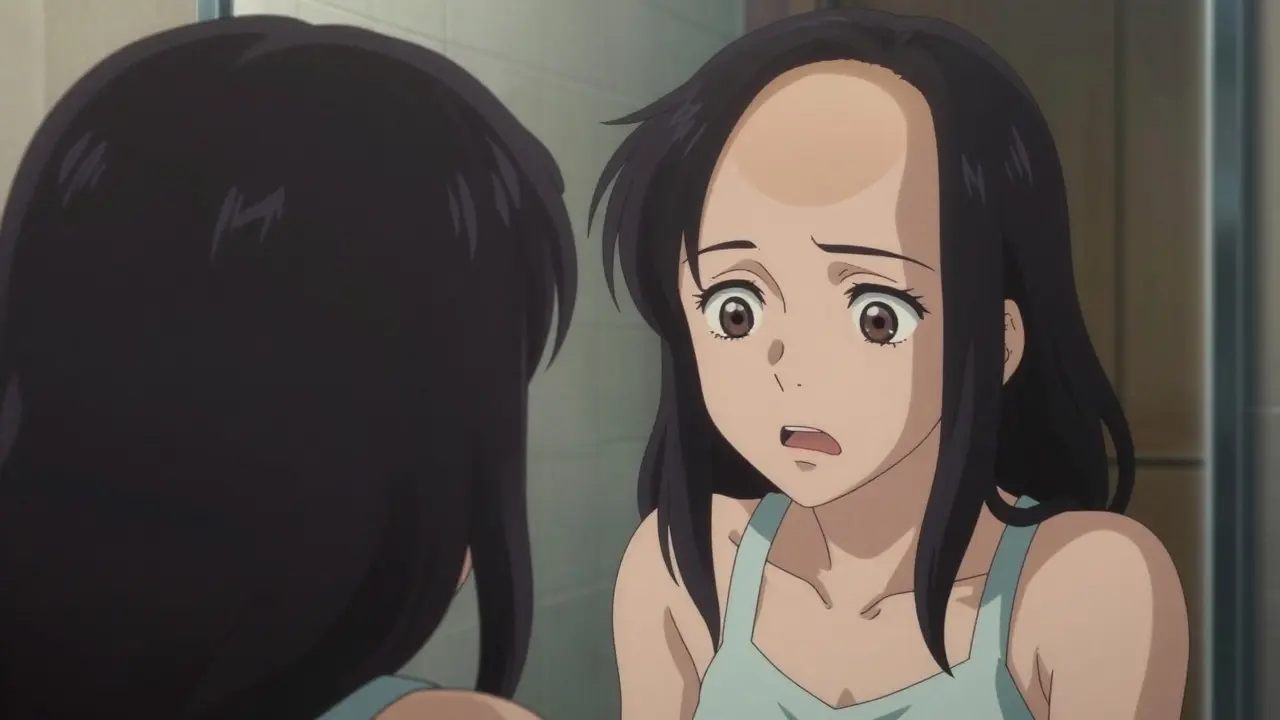
One day you look in the mirror, and a perfectly round, smooth bald spot stares back at you. It wasn’t gradual thinning or a receding hairline; it was sudden, shocking, and completely unexplained. If this sounds familiar, you might be dealing with alopecia areata, an autoimmune condition that causes sudden, patchy hair loss. Unlike common male or female pattern baldness, which happens slowly over years due to hormones, alopecia areata is an attack by your own immune system on your hair follicles.
This isn't just about vanity. For millions of people, losing their hair unexpectedly brings intense anxiety, depression, and social isolation. But here is the good news: because the hair follicles aren't permanently destroyed, hair can grow back. Understanding what triggers this condition and knowing your treatment options-from simple injections to new oral medications-can help you take control of your journey.
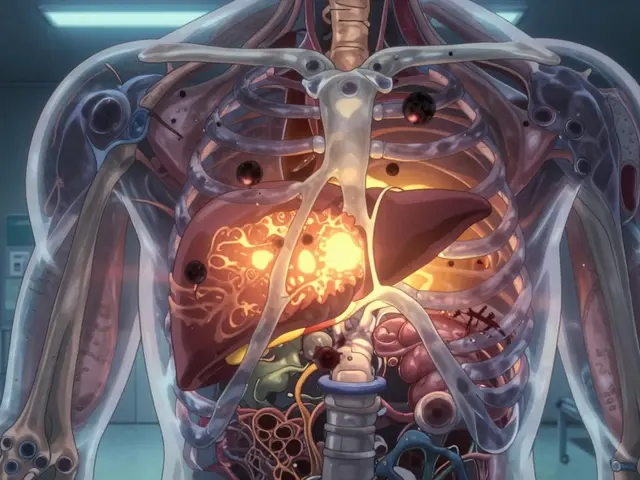
To understand alopecia areata, you first need to understand how hair grows normally. Your hair follicles have a special status called "immune privilege." Basically, they hide from your immune system so it doesn't attack them. In people with alopecia areata, this shield breaks down. Your body’s T-cells (a type of white blood cell) mistakenly identify the hair follicle as a threat, like a virus or bacteria, and swarm around it.
Dr. Maria K. Hordinsky, a leading dermatologist, describes these cells clustering around the hair bulb "like a swarm of bees." This attack forces the hair follicle to stop growing prematurely. Instead of staying in the active growth phase (anagen), the follicle shuts down and enters the resting phase (telogen). The hair falls out, leaving behind a smooth, non-inflamed patch of skin.
It’s crucial to know that alopecia areata does not scar the skin. The follicle is still there, sleeping, waiting for the inflammation to subside. This is different from scarring alopecias, where the follicle is permanently destroyed. Because the follicle survives, regrowth is possible, either spontaneously or with treatment.
Alopecia areata doesn't always look the same for everyone. While the classic sign is one or more coin-sized bald patches on the scalp, the condition has several variations:
You might also notice changes in your nails. About 10-50% of patients experience nail pitting (tiny dents), roughness, or redness under the nail. Before the hair falls out, some people feel tingling, itching, or burning on the scalp-a warning sign that the immune attack is beginning.
| Feature | Alopecia Areata | Androgenetic Alopecia (Pattern Baldness) | Telogen Effluvium |
|---|---|---|---|
| Cause | Autoimmune attack | Hormones & Genetics | Stress, Illness, Nutrition |
| Onset | Sudden, unpredictable | Gradual, slow | Sudden shedding after trigger |
| Appearance | Smooth, round patches | Thinning crown/hairline | Overall diffuse thinning |
| Follicle Status | Intact (non-scarring) | Miniaturized but intact | Temporarily stunned |
| Regrowth Potential | High (spontaneous or treated) | Low without medication | High (self-resolving) |
Medically, alopecia areata is not life-threatening. Psychologically, however, it can be devastating. The National Institutes of Health (NIH) reports that alopecia areata carries the highest disease burden per patient among all dermatological conditions in the US, even surpassing psoriasis and eczema in terms of quality-of-life impact.
Why? Because hair is deeply tied to identity, youth, and attractiveness. Studies show that 30% of patients report moderate to severe anxiety, and 28% experience clinical depression. Many avoid swimming, beaches, or intimate relationships due to fear of judgment. The unpredictability adds another layer of stress-you never know if your hair will grow back next month or if a new patch will appear tomorrow.
If you are struggling with these feelings, know that you are not alone. Support groups, both online and offline, provide communities where you can share experiences without shame. Addressing mental health is just as important as treating the physical symptoms.
There is no cure for alopecia areata, but many treatments can stimulate hair regrowth. The right choice depends on the severity of your hair loss, your age, and your budget.
For limited patchy hair loss, corticosteroid injections shots of anti-inflammatory medicine directly into the bald patches are the gold standard. A dermatologist injects triamcinolone acetonide into the scalp every 4-6 weeks. This calms the local immune response. About 60-67% of patients see significant regrowth within 2-3 months. It’s effective, but it can be painful and requires regular visits.
Topical corticosteroids (creams or lotions) are less invasive but also less effective (25-30% efficacy). They require daily application for 6-12 months before you see results.
For more extensive hair loss, doctors may use contact immunotherapy. This involves applying a chemical called diphenycyclopropenone (DPCP) to the scalp to deliberately cause an allergic reaction. The idea is to distract the immune system. By fighting the allergic rash on the scalp, the immune cells stop attacking the hair follicles. This treatment takes 6-12 months and causes itchy, uncomfortable rashes, but it can lead to regrowth in 30-60% of cases.
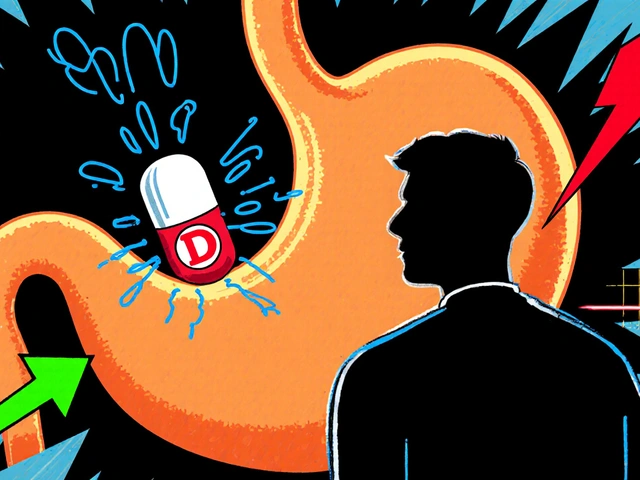
In recent years, a new class of drugs called JAK inhibitors oral medications that block specific immune pathways involved in hair loss has revolutionized treatment for severe alopecia areata. These pills work by blocking the Janus kinase enzymes that signal the immune system to attack the hair follicles.
Two major JAK inhibitors have received FDA approval for severe alopecia areata:
These drugs offer hope for those who didn’t respond to steroids. However, they come with caveats. They are expensive (often $10,000-$15,000 monthly without insurance), require regular blood tests to monitor for side effects (like increased risk of infection or shingles), and must be taken continuously. If you stop taking them, the hair loss often returns within months.
You’ve probably heard of minoxidil (Rogaine). It’s widely available and safe, but for alopecia areata, its efficacy is low (0-15%). It works better for pattern baldness. Some doctors prescribe it alongside other treatments to support regrowth, but it rarely works as a standalone solution for autoimmune hair loss.
While you navigate treatment, managing daily life is essential. Here are some practical steps:
Research is accelerating. Scientists are identifying genetic markers (like ULBP3/6 genes) that predict who will respond to which treatments. The goal is personalized medicine-matching the right drug to the right patient quickly. Newer JAK inhibitors and combination therapies are in development, aiming to reduce side effects and improve long-term remission rates.
While there is no permanent cure yet, the landscape is changing fast. What was once considered untreatable is now manageable for many. If you suspect you have alopecia areata, see a dermatologist early. Early intervention can limit the spread and increase the chances of regrowth.
No, alopecia areata is not contagious. You cannot catch it from someone else, nor can you pass it to others through touch, sharing towels, or any other means. It is an internal autoimmune disorder.
Yes, for many people. Approximately 80% of patients with limited patchy alopecia experience spontaneous regrowth within one year without treatment. However, the course is unpredictable, and hair may fall out again later. Extensive forms like totalis or universalis are less likely to regrow without intervention.
Stress does not directly cause alopecia areata, but it can trigger flares in people who are genetically predisposed. Severe emotional or physical stress may disrupt the immune system, potentially initiating an attack on hair follicles. Managing stress is a helpful part of overall care.
JAK inhibitors are generally safe but carry risks such as increased susceptibility to infections, shingles, and potential cardiovascular issues. They require regular monitoring by a doctor. Long-term safety data is still being collected, so ongoing medical supervision is essential.
There is no specific "alopecia diet" proven to cure the condition. However, maintaining a balanced diet rich in vitamins and minerals supports overall hair health and immune function. Deficiencies in iron, vitamin D, or zinc can worsen hair loss, so addressing nutritional gaps is beneficial.

OMG this is so relevant rn 🤯 the JAK inhibitor part is wild. Like, spending $15k a month for hair? That’s insane 💸 but also kinda makes sense if it actually works. The immune privilege concept is super cool tho, didn’t know follicles had their own VIP section from the immune system 🧬✨

The article presents a rather pedestrian overview of what is essentially a complex immunological failure. To suggest that stress management is on par with biological intervention is naive at best. The mention of JAK inhibitors is accurate, yet the author fails to contextualize the long-term cardiovascular risks adequately, treating them as mere 'caveats' rather than significant clinical concerns. Furthermore, the comparison table oversimplifies telogen effluvium, which is often misdiagnosed by general practitioners who lack the nuance to distinguish it from early-stage areata. It is disappointing that such a critical distinction is glossed over for the sake of brevity.

I think we should all be careful not to judge people who lose their hair. It's tough enough dealing with the physical changes without adding social pressure. I've seen friends go through this and it really takes a toll on their confidence. Maybe instead of focusing on the cost or the medical jargon, we can just support each other more. Everyone deserves to feel good about themselves regardless of how much hair they have. Let's keep the conversation positive and helpful for those struggling.

You people are missing the point entirely. In India, we see this daily and the stigma is far worse than in the West. You talk about 'support' but you ignore the cultural reality where hair loss is seen as a curse or bad karma. The JAK inhibitors are useless to 99% of the population here because they cost more than a year's salary. Stop preaching Western solutions to a global problem. The real issue is accessibility, not your little support groups.

Oh my goodness, thank you for sharing this perspective! :) It is truly important to consider the global context when discussing medical treatments. We must strive for equity in healthcare access worldwide! Let us continue to advocate for affordable options for everyone, everywhere! Your passion is inspiring! :)

Your sentimentality is irrelevant. The data shows efficacy rates. Emotions do not regrow hair. Focus on the pharmacokinetics of baricitinib instead of whining about economics.

hey man i get what ur saying but lets try to keep it chill ok. no need to be so harsh. everyone has a different situation and its hard for some folks. maybe we can just share tips on coping instead of fighting. its all about being kind to ourselves and others. hope u have a good day!

I read this quietly and felt a lot. The part about nail pitting was something I noticed in myself years ago before the patches appeared. It’s strange how small signs can predict such big changes. I don’t say much online, but I want to say that seeing this written down helps. It validates the confusion and fear many of us feel in silence. Thank you for writing this clearly.

It is important to note; that while JAK inhibitors are promising; they are not suitable for everyone. Patients must consult with a dermatologist. Regular monitoring is essential. Do not self-medicate. The side effects can be serious. Always follow professional medical advice. Stay informed. Stay safe.