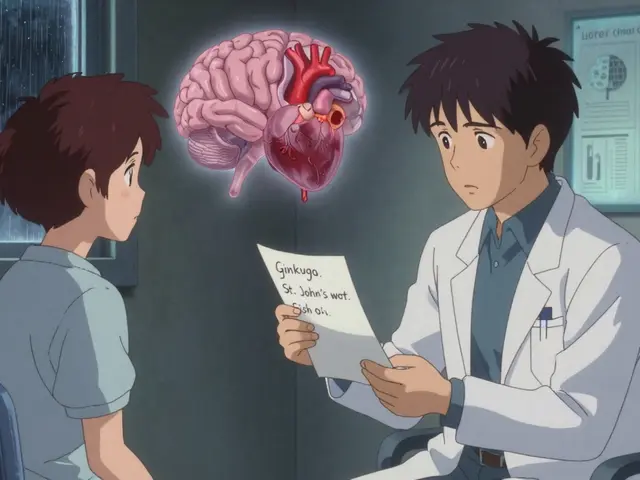
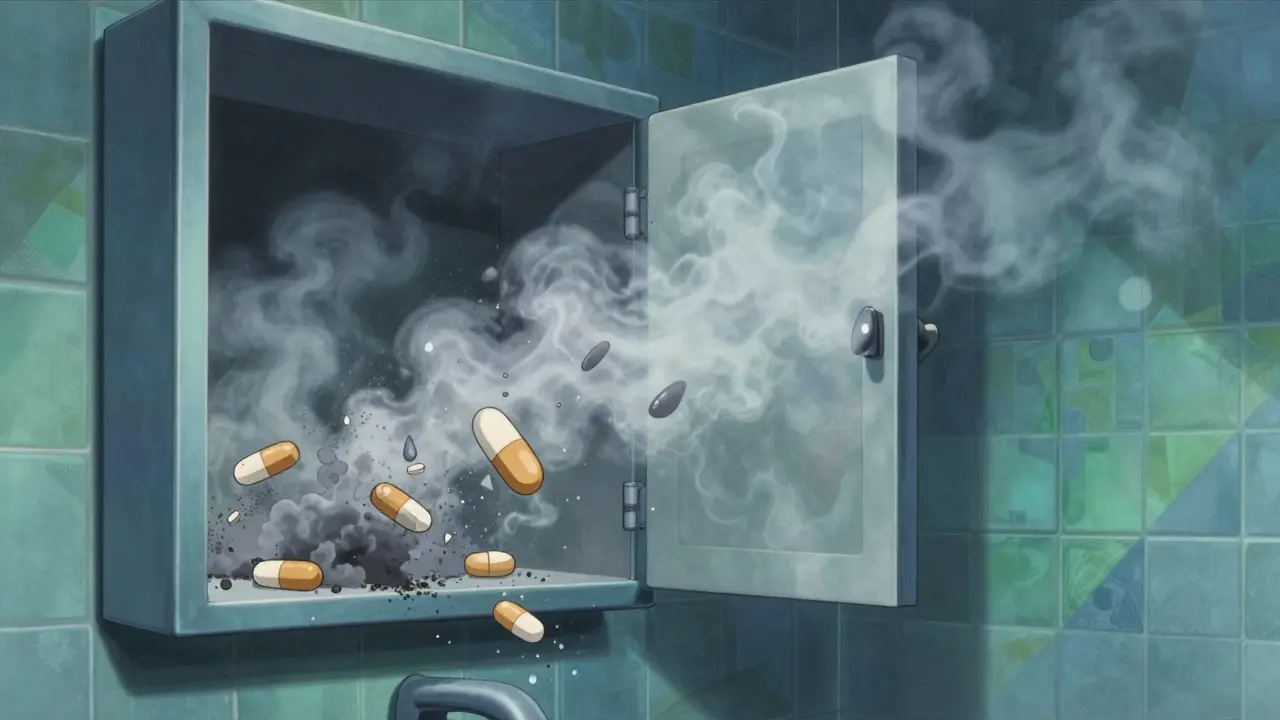
Imagine opening a bottle of life-saving medication only to find it has turned into a useless, degraded powder because your bathroom was too humid or your car got too hot. It sounds like a nightmare scenario, but it happens more often than you might think. Improper storage isn't just an inconvenience; it’s a safety hazard that renders drugs ineffective or even dangerous. With the global pharmaceutical cold chain market valued at $18.7 billion in 2022, the stakes have never been higher for getting this right.
We often toss our pills into any drawer without a second thought. However, medication storage is the practice of maintaining specific environmental conditions to preserve pharmaceutical efficacy and safety. According to the World Health Organization (WHO), improper storage accounts for 15-20% of global medication wastage annually. That’s roughly $35 billion in lost value every year. More importantly, it puts patients at risk. This guide breaks down exactly how temperature and humidity affect your medicines, where to store them safely, and what technology is changing the game in 2026.
Medicines are complex chemical compounds. They aren’t inert rocks; they react to their environment. Heat accelerates chemical reactions, causing active ingredients to break down faster than intended. Moisture can cause tablets to crumble, capsules to stick together, or proteins in biologics to denature. Dr. Sarah Thompson, Chief Scientific Officer at the FDA Center for Drug Evaluation and Research, noted in 2023 that proteins in many drugs are highly sensitive to moisture, leading to irreversible destabilization and oxidative degradation.
The United States Pharmacopeia (USP) Chapter 1079 provides the gold standard for these conditions. It defines four primary storage classifications:
Humidity is equally critical. The WHO recommends keeping relative humidity at approximately 50%. High humidity introduces water molecules that can hydrolyze drug compounds. If you’ve ever noticed a pill turning soft or sticky, that’s humidity doing its damage. Conversely, extremely dry air can sometimes cause certain formulations to crack or lose potency through sublimation, though high humidity is generally the bigger culprit in home environments.
Most people make the same mistakes when storing meds at home. We need to bust a few myths. First off, the bathroom medicine cabinet is a terrible idea. Bathrooms experience drastic fluctuations in both temperature and humidity every time someone takes a shower or bath. These spikes can exceed the safe limits for many medications within minutes.
Kitchens are also risky. Proximity to stoves, ovens, and dishwashers creates heat sources that can push temperatures well above the recommended 25°C (77°F). Windowsills are another no-go zone due to direct sunlight, which introduces UV radiation that can degrade light-sensitive drugs.
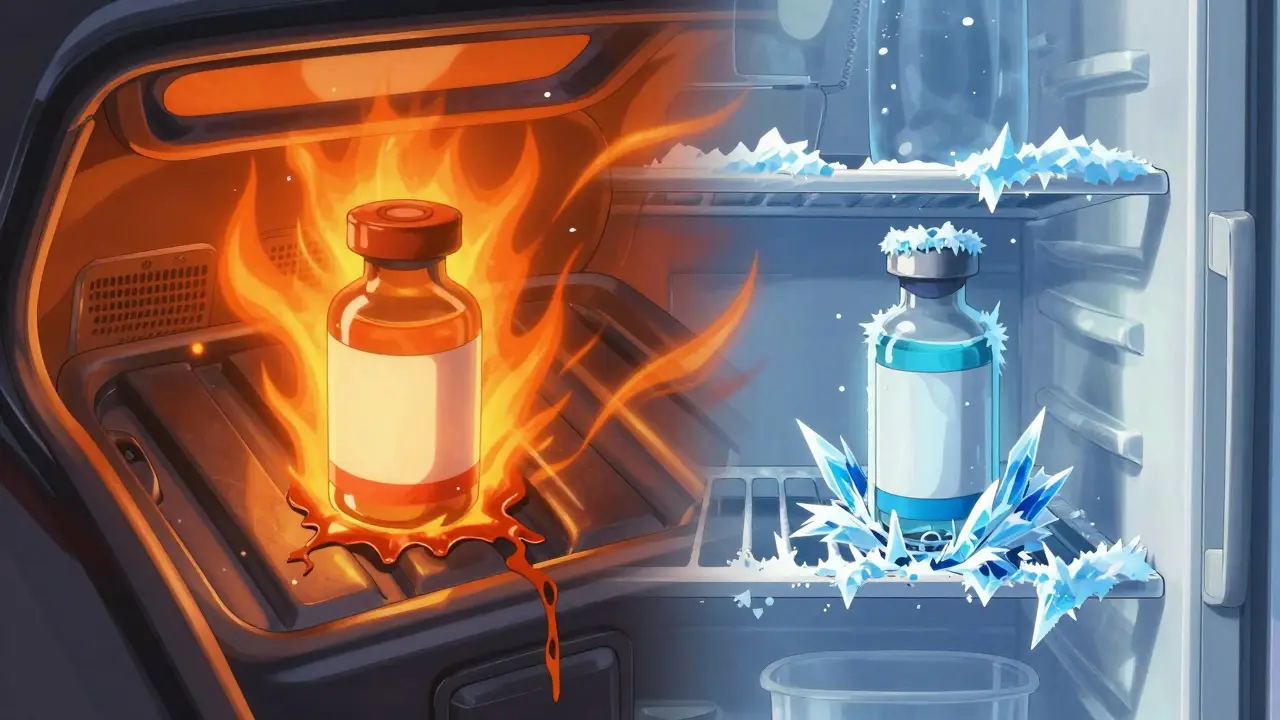
What about the refrigerator? While some meds need cold storage, not all do. Freezing a medication that requires room temperature can destroy its molecular structure. Insulin, for example, is particularly vulnerable to freezing damage. Once frozen, insulin clumps up and loses its ability to regulate blood sugar effectively. Always check the label. If it says "room temperature," keep it out of the fridge. If it says "refrigerate," ensure it stays between 2°C and 8°C and never freezes.
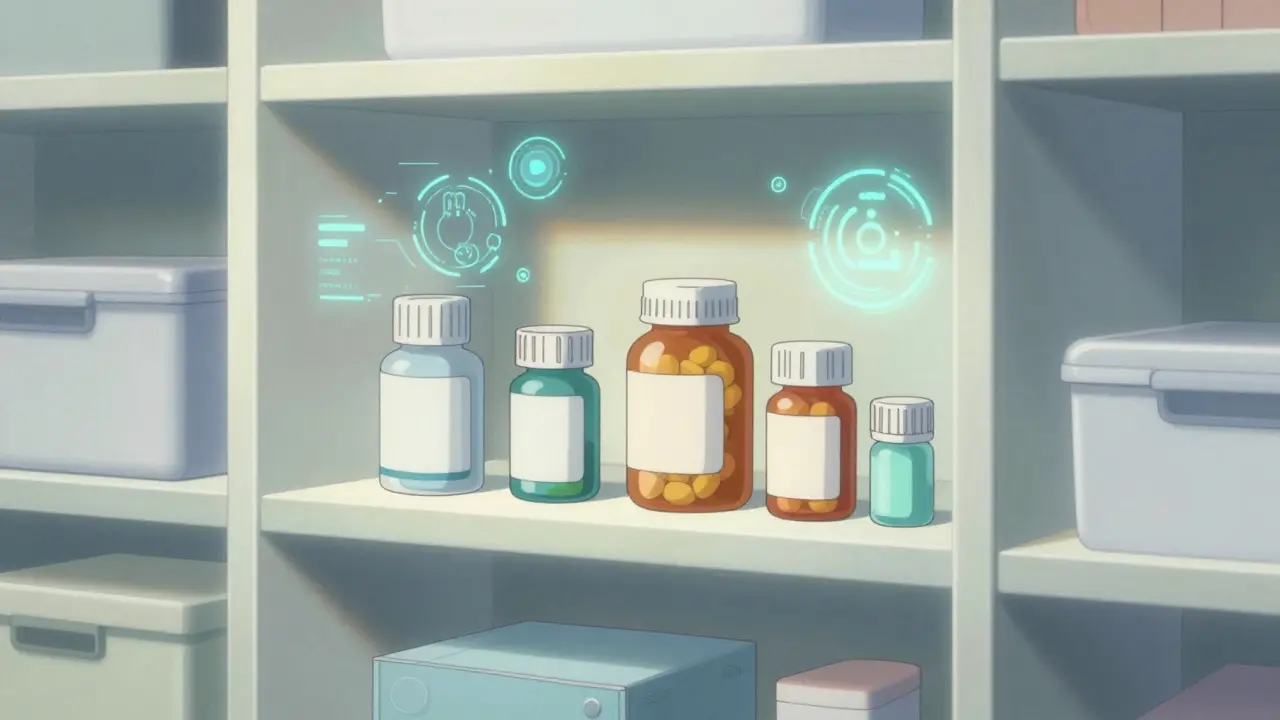
To keep your medications safe, follow these practical steps. Choose a cool, dry place away from direct sunlight. A bedroom closet or a dedicated drawer in a living room often works best. Avoid areas near vents, radiators, or appliances that generate heat.
Keep medications in their original containers. These bottles are designed with child-resistant caps and often include desiccants (small packets that absorb moisture) to maintain internal humidity levels. Transferring pills to weekly organizers is fine for short-term use, but don’t leave them there for weeks on end.
If you live in a climate with extreme heat or humidity, consider using a dehumidifier in the room where you store your meds. Aim for that 50% relative humidity sweet spot. For those traveling, use insulated bags with ice packs for temperature-sensitive drugs, but avoid direct contact between the ice pack and the medication to prevent freezing.
| Mistake | Consequence | Best Practice |
|---|---|---|
| Bathroom Cabinet | Humidity fluctuation causes degradation | Cool, dry closet or drawer |
| Glovebox | Extreme heat in summer destroys efficacy | Insulated travel case |
| Freezing Insulin | Clumping and loss of potency | Refrigerate at 2°C-8°C only |
| Removing Desiccants | Increased moisture exposure | Keep original packaging intact |
In pharmacies and hospitals, the stakes are higher, and the tools are more advanced. The FDA’s 21 CFR Part 205.50 mandates that prescription drugs be stored according to labeling requirements. To meet this, facilities use Data Logging Devices (DDLs) with buffered probes. These devices log temperatures every 30 minutes and alert staff if conditions go out of range. The CDC’s Vaccine Storage and Handling Toolkit requires these devices to have an uncertainty of only +/- 1°F.
A major issue in professional settings is temperature stratification. A study by Helmer Scientific found a 3.5°C (6.3°F) difference between the top and bottom shelves of standard pharmacy refrigerators. This means a vaccine on the top shelf might be safe while one on the bottom is degrading. The solution? Map your storage areas. Place thermometers at different heights and locations to identify hot and cold spots. Never store vaccines against walls or in doors, where temperature fluctuations are significantly greater.
Technology is evolving rapidly. By December 2025, the FDA will require real-time remote monitoring for all temperature-sensitive medications in healthcare facilities. Companies like Dickson Data and Polygon Group are leading this shift with AI-powered predictive analytics. These systems don’t just report problems; they predict them. For instance, if a door is left open too long, the system alerts staff before the temperature excursion becomes critical. In beta testing, such systems reduced excursions by 76%.
Blockchain integration is also emerging. Piloted by Pfizer and Moderna in 2023, blockchain-integrated monitoring ensures that temperature data cannot be tampered with, providing an immutable record of a drug’s journey from factory to patient. This transparency is crucial for building trust, especially with high-cost biologics and vaccines.
The cost of failure is staggering. The FDA reported that 78% of pharmaceutical recalls in 2022 were related to temperature excursions during storage or transportation. For the industry, this means massive financial losses. The International Air Transport Association (IATA) notes that temperature excursions during air transport account for 35% of all pharmaceutical shipment rejections, costing an average of $127,000 per rejected shipment.
For patients, the impact is health-related. Dr. Michael Chen from Baystate Health found that exposure to temperatures outside the 59°F-77°F range reduced medication efficacy by 23-37%. Hormone-containing medications, such as birth control and chemotherapy drugs, showed the greatest sensitivity. Taking a less effective pill doesn’t just waste money; it can lead to treatment failure, disease progression, or adverse events.
The Joint Commission reports that improper medication storage accounts for 17% of medication error root causes in healthcare facilities. Facilities that implemented continuous monitoring systems saw a 44% reduction in medication-related adverse events. This data clearly shows that investing in proper storage infrastructure pays off in both safety and savings.
As we move through 2026, the focus is shifting toward sustainability and accessibility. Phase-change materials are being developed to provide passive temperature control for up to 120 hours during transport, reducing reliance on energy-intensive cooling units. This is particularly important for developing countries, where the WHO reports only 28% of healthcare facilities have adequate temperature monitoring systems. This gap contributes to a 35% higher rate of medication ineffectiveness compared to high-income countries.
The International Pharmaceutical Federation (FIP) forecasts that by 2027, 85% of pharmaceutical storage facilities will implement IoT-based continuous monitoring systems. This widespread adoption will help close the gap between rich and poor nations in terms of medication quality. However, challenges remain in ensuring that these technologies are affordable and accessible everywhere.
For individuals, the message is simple: treat your medications with respect. Read the labels, understand the storage requirements, and create a consistent, controlled environment at home. Your health depends on it.
You should never leave medication in a hot car. Temperatures inside a vehicle can rise rapidly, often exceeding 40°C (104°F) on a sunny day, which is far above the recommended room temperature limit of 25°C (77°F). Even short exposures can degrade heat-sensitive drugs like insulin, nitroglycerin, and liquid antibiotics. If your medication has been exposed to extreme heat, consult your pharmacist before using it.
Yes, humidity significantly affects pills. High moisture levels can cause tablets to crumble, dissolve prematurely, or grow mold. Capsules may become sticky or fuse together. The WHO recommends maintaining relative humidity at approximately 50% to prevent these issues. Storing meds in bathrooms, where humidity fluctuates wildly, is a common mistake that compromises drug integrity.
No, you should never freeze insulin unless specifically instructed by the manufacturer (which is rare for current-use vials). Freezing causes insulin proteins to clump and precipitate, rendering them ineffective. Unopened insulin can be stored in the refrigerator at 2°C-8°C (36°F-46°F) until its expiration date. Once opened, it is typically kept at room temperature for up to 28 days, depending on the type.
USP Chapter 1079 is a guideline published by the United States Pharmacopeia that establishes standards for temperature and humidity control in pharmaceutical storage. It defines categories like "Room Temperature" (20°C-25°C) and "Controlled Cold Temperature" (2°C-8°C). Healthcare providers and pharmacies use these standards to ensure medications remain potent and safe throughout their shelf life.
Signs of degradation include changes in color, texture, or smell. Tablets may crack or crumble, liquids may become cloudy or change color, and capsules may feel soft or sticky. However, some degradation is invisible. If you suspect your medication has been exposed to extreme temperatures, do not take it. Consult your pharmacist or doctor for advice on whether to replace it.