When it comes to your health, patient education, the process of giving people clear, practical knowledge about their medications and conditions. Also known as health literacy, it’s not just about reading pamphlets—it’s about knowing why you take each pill, what happens if you skip one, and how to spot trouble before it’s an emergency. Too many people fill prescriptions but never truly understand them. That’s where patient education makes the difference between managing your condition and being managed by it.
Real patient education covers more than just dosage. It connects to medication safety, the practice of preventing harm from drugs through proper use, monitoring, and awareness of risks. For example, mixing antacids like Tums with kidney disease can cause deadly phosphate buildup. Or taking omeprazole with clopidogrel might make your heart medication useless. These aren’t rare mistakes—they’re common because people weren’t told what to watch for. Patient education also includes knowing when a generic pill looks different, why that’s normal, and how to avoid confusion that leads to missed doses. It’s about recognizing that your body’s response to a drug isn’t just about the chemical—it’s about your kidneys, your age, your other meds, even your sleep.
Then there’s drug interactions, when one medication changes how another works in your body. A natural supplement might lower your blood pressure too much when combined with your prescription. Birth control pills can lose effectiveness if you’re on certain antibiotics. Even something as simple as grapefruit juice can wreck your cholesterol drug. Patient education teaches you to ask: "What else am I taking?" and "Could this hurt me?" It’s not about fear—it’s about control. And when you understand how adherence, how consistently you take your meds as prescribed affects your outcomes, you stop seeing pills as chores and start seeing them as tools. Missing a dose isn’t just a slip—it can trigger hospital visits, especially with blood thinners, diabetes meds, or immunosuppressants like azathioprine, where genetic testing makes or breaks your safety.
You’ll find real stories here—not theory. How to travel with prescriptions without getting stopped at customs. What to do when your pill color changes and you panic. Why most people aren’t actually allergic to penicillin. How to measure if you’re even taking your meds right. These aren’t abstract ideas. They’re daily struggles people face, and the answers are simple once you know them. This collection gives you the facts you need to stop guessing, stop fearing, and start managing your health with confidence.
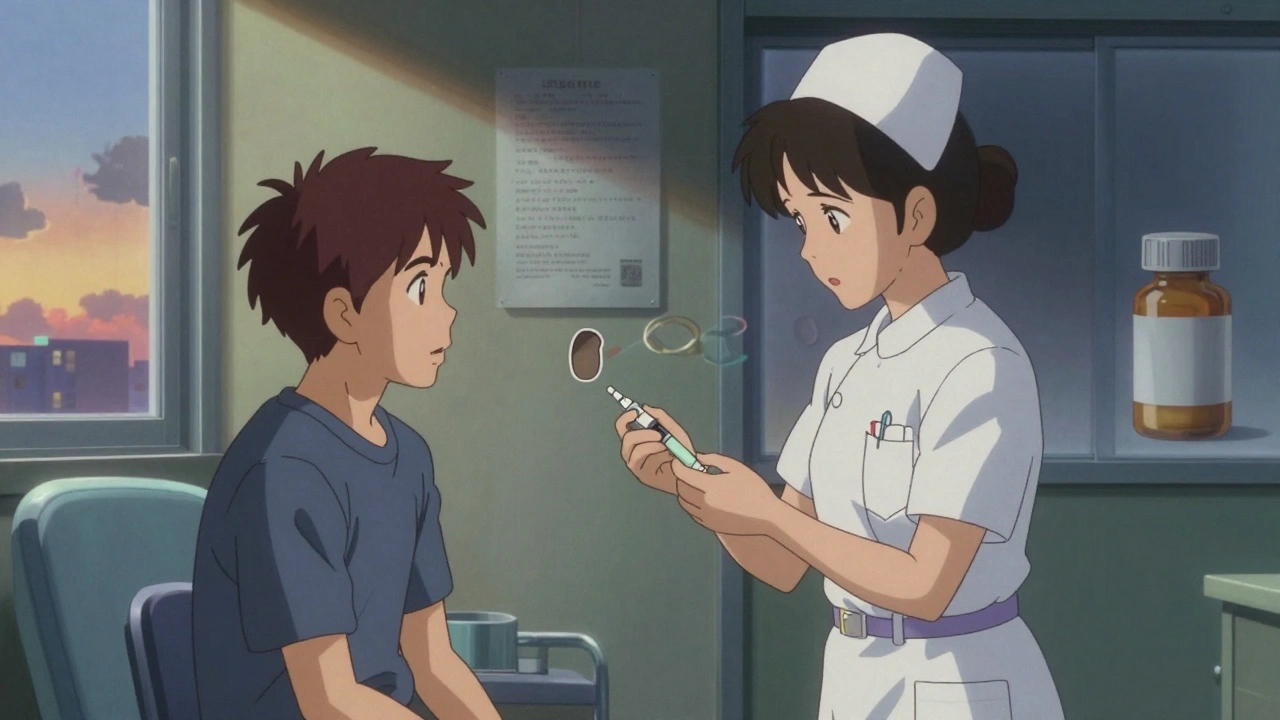
Measuring patient education effectiveness isn't about tests-it's about seeing if patients can apply knowledge in real life. Learn how to track real understanding with simple, proven methods like teach-back and rubrics.