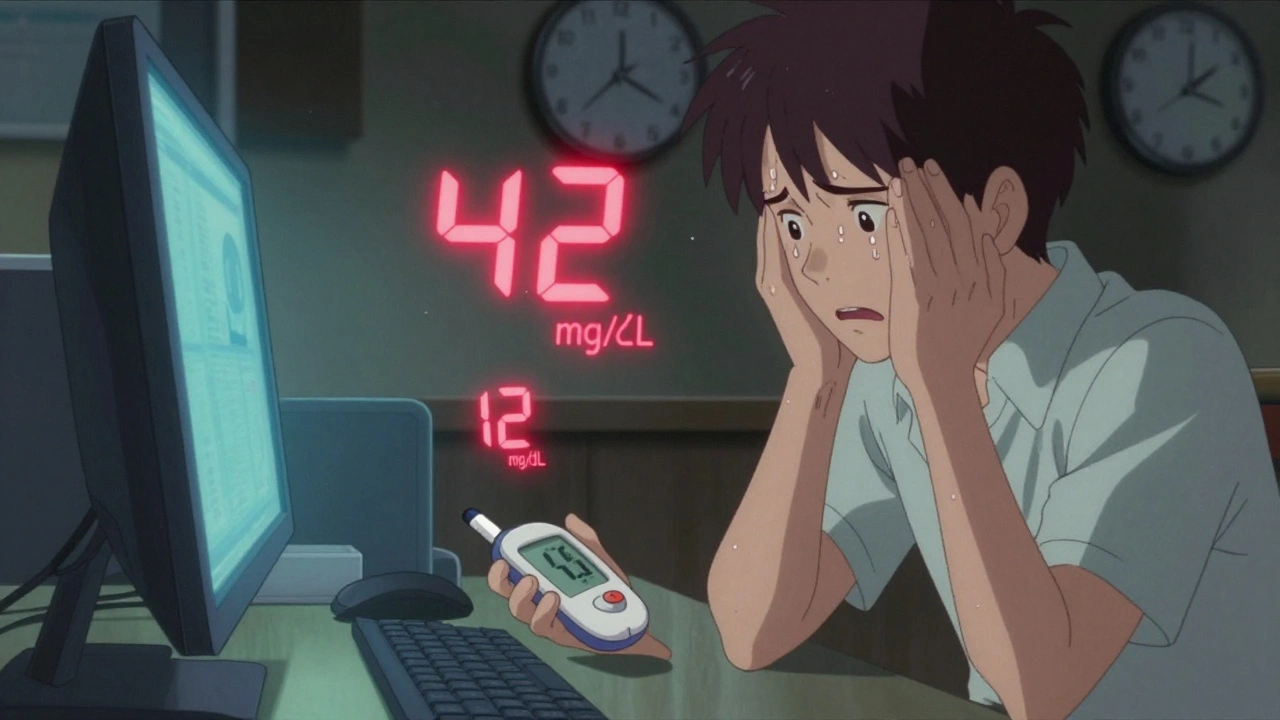
When your blood sugar drops too low, your body doesn’t just feel shaky—it can start to fail. This is hypoglycemia, a condition where blood glucose falls below 70 mg/dL, often triggering symptoms like sweating, confusion, rapid heartbeat, and in severe cases, seizures or loss of consciousness. Also known as low blood sugar, it’s not just a side effect—it’s a medical event that needs quick action. Many people with diabetes know this feeling all too well, especially after taking insulin or certain oral meds like sulfonylureas. But hypoglycemia isn’t limited to diabetics. It can happen to anyone, especially if they’re skipping meals, drinking alcohol on an empty stomach, or taking medications that interfere with glucose balance.
One of the biggest culprits behind hypoglycemia is diabetes medication, a class of drugs designed to lower blood sugar but that can push it too far if not carefully managed. Insulin and drugs like glipizide or glyburide work by forcing cells to absorb glucose, which is great for high blood sugar—but if you eat less than planned, exercise more than usual, or take the wrong dose, your sugar can crash. Even metformin combination pills, often seen as safer because they don’t directly cause low sugar, can contribute when paired with other meds or in people with kidney issues that slow drug clearance. And let’s not forget anticoagulants and PPIs, which don’t directly cause hypoglycemia but can change how your body handles other drugs, indirectly raising your risk.
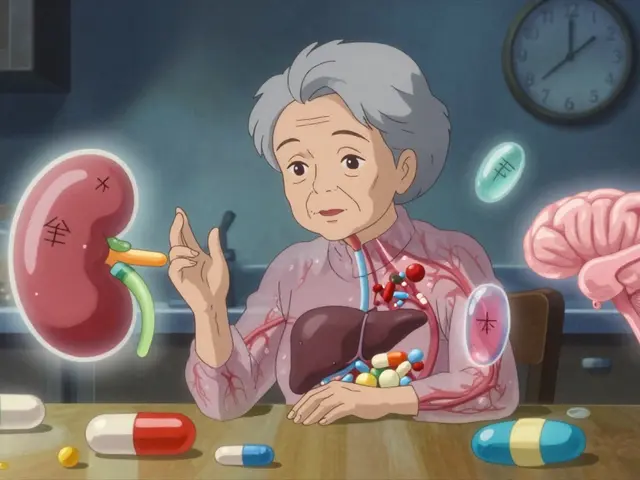
It’s not just about the pills. Your lifestyle plays a huge role. Skipping meals, drinking alcohol without food, or doing intense workouts without adjusting your meds can all set you up for a crash. People with kidney disease or liver problems are at higher risk because their bodies can’t process or clear these drugs efficiently. And if you’ve ever switched generic brands—something common with diabetes meds—you’ve probably noticed pills that look different. That’s normal, but it can cause confusion. One pill might be stronger than the last, and if you don’t check the dosage, you might accidentally take too much.
What makes hypoglycemia dangerous isn’t just the immediate shake or sweat—it’s the silence around it. Many people ignore early signs, thinking they’ll just eat a snack and move on. But repeated low blood sugar episodes can dull your body’s warning signals. You stop feeling the warning signs, and then you wake up confused, disoriented, or worse. That’s why tracking your levels, knowing your meds, and understanding your triggers matters more than ever.
Below, you’ll find real, practical guides on how to manage these risks. From spotting dangerous drug interactions to understanding why your pill looks different every time you refill, these posts give you the tools to stay safe without guessing. Whether you’re on insulin, taking combo pills, or just trying to avoid a sugar crash after lunch, there’s something here that can help you take control—before the next episode hits.
Learn how to recognize, treat, and prevent low blood sugar (hypoglycemia) if you have diabetes. Includes practical steps, emergency treatment, prevention tips, and latest 2025 advances.