When your blood clots too easily, it can lead to heart attacks or strokes. That’s where the antiplatelet effect, the process of preventing platelets from sticking together to form dangerous clots. Also known as platelet inhibition, it’s how drugs like aspirin and clopidogrel keep your arteries clear without turning your blood into water. Unlike anticoagulants that slow down the whole clotting system, antiplatelet drugs target just one part: the platelets. These are the tiny cell fragments that rush to injury sites and clump up. When they stick together too much inside your arteries, they block blood flow. Antiplatelet agents stop that clumping before it starts.
The aspirin, a common antiplatelet drug that blocks the enzyme COX-1, reducing platelet activation is the oldest and still one of the most used. It’s cheap, well-studied, and often the first choice after a heart attack or stent placement. Then there’s clopidogrel, a stronger, prescription-only option that works through a different pathway, often paired with aspirin for extra protection. These aren’t just pills—they’re life-preserving tools for people with heart disease, peripheral artery disease, or a history of stroke. But they’re not harmless. If you’re on one, even a small cut can bleed longer. Bruising more easily? That’s not just bad luck—it’s the antiplatelet effect doing its job.
People often confuse antiplatelet drugs with warfarin or rivaroxaban, which are anticoagulants. That’s a big mistake. Warfarin affects proteins in your blood; antiplatelet drugs silence the platelets themselves. Mixing them up can lead to wrong dosing or dangerous interactions. For example, if you’re on clopidogrel and take certain herbal supplements like ginkgo or garlic, you might increase bleeding risk without realizing it. That’s why the posts below dive into real-world issues: how to tell if your medication is working, what to avoid mixing with it, and how conditions like kidney disease or diabetes can change how your body handles these drugs.
You’ll find guides on how to safely manage these meds alongside exercise, what to do if you miss a dose, and how to spot when side effects are more than just annoying. There’s also advice on comparing generic versions, understanding why some people don’t respond to certain drugs, and how to talk to your doctor about risks versus benefits. This isn’t theoretical—it’s what people actually deal with every day. Whether you’re just starting on an antiplatelet drug or have been on one for years, the real answers are here.
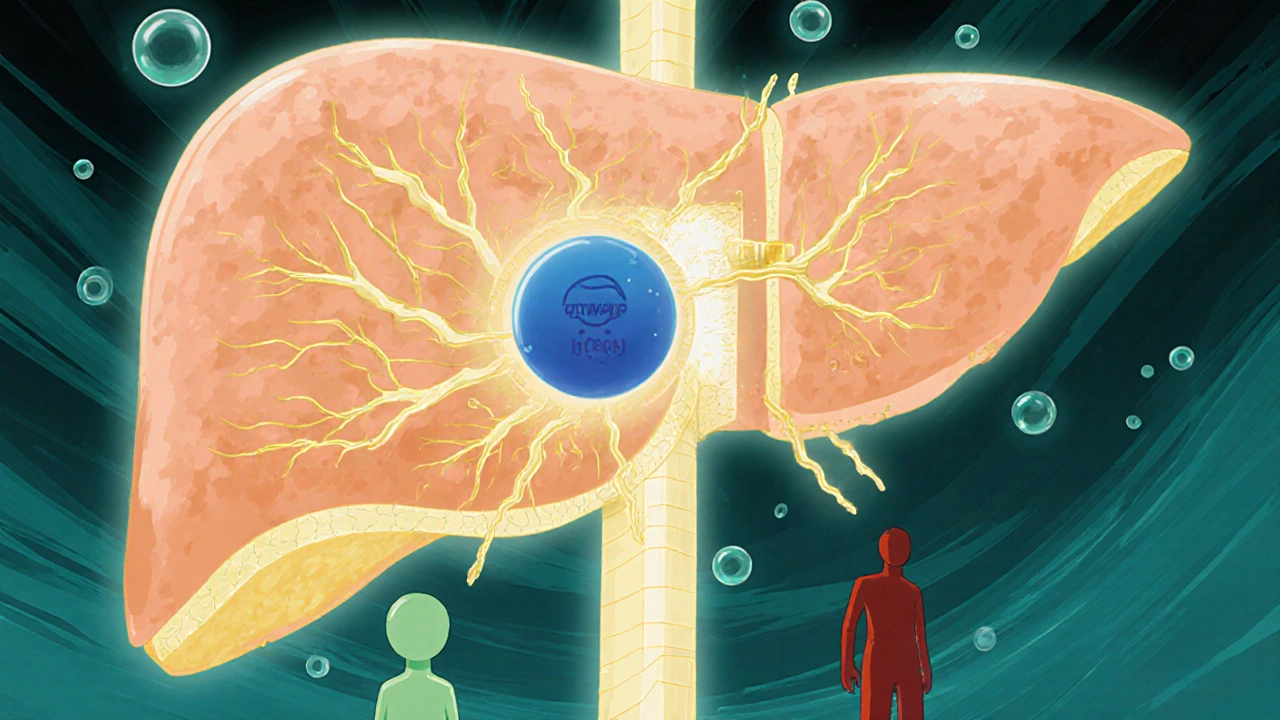
Clopidogrel's antiplatelet effect can be reduced by certain proton pump inhibitors, especially omeprazole. Pantoprazole and rabeprazole are safer alternatives. Know which PPI you're taking and why it matters for your heart health.